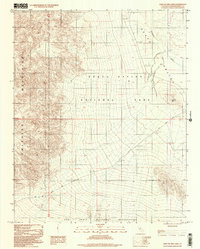
1996 Map of East of Owl Lake
USGS Topo · Published 2000About this map
Death Valley National Park dominates this desert landscape, where the shifting sands of Death Valley meet the northern edge of the Fort Irwin Military Reservation. This survey, based on imagery and field checks from the 1980s and 1990s, documents a transition between protected wilderness and military restricted lands. The Amargosa River and a notable Wash define the drainage patterns of the basin floor, while the rising elevations of the Owlhead Mountains anchor the western portion of the quadrangle. Transportation through this arid environment is limited to unpaved routes like Owl Hole Road and Springs Road, reflecting the sparse infrastructure of the Mojave. This data captures the region before the turn of the millennium, providing a clear record of the intersection between federal land management and the natural landmarks such as Round Mtn.
Find a feature on this map
10 named features on this map. Tap any name to fly to it.
Don’t see what you’re looking for? This feature index may not catch every label — zoom into the map to look around manually.
Map Details
Editions of this 1996 East of Owl Lake Map
This is the sole edition of this map. No revisions or reprints were ever made.
Other maps of this area
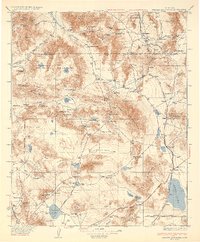
1933 · Avawatz Mountains
USGS Topo · 1:250,000
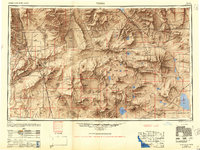
1947 · Trona
USGS Topo · 1:250,000
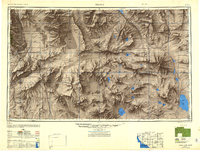
1948 · Trona
USGS Topo · 1:250,000
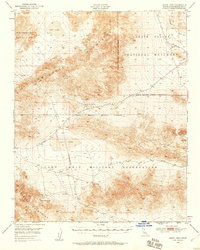
1948 · Leach Lake
USGS Topo · 1:62,500
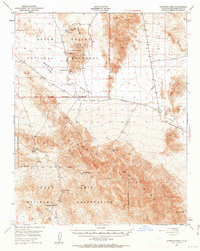
1948 · Avawatz Pass
USGS Topo · 1:62,500
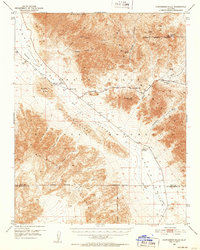
1950 · Confidence Hills
USGS Topo · 1:62,500
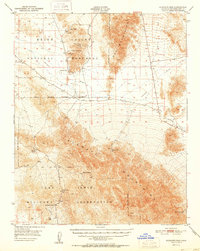
1951 · Avawatz Pass
USGS Topo · 1:62,500
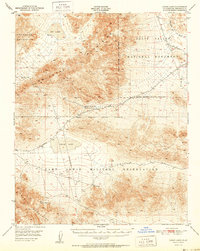
1951 · Leach Lake
USGS Topo · 1:62,500
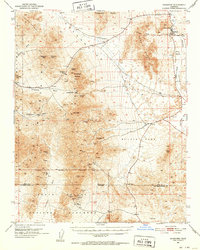
1951 · Shoshone
USGS Topo · 1:62,500
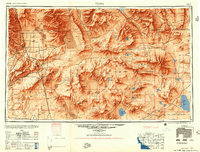
1953 · Trona
USGS Topo · 1:250,000