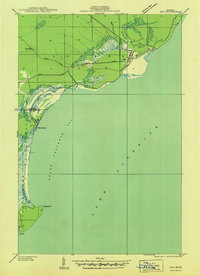
1938 Map of Gay
USGS Topo · Published 1938About this map
Gay stands as the primary hub along the eastern shoreline of the Keweenaw Peninsula in this late 1930s survey. The landscape is defined by the convergence of the Tobacco River and Traverse River into the cold waters of Lake Superior. As an advance sheet compiled from aerial photographs, it captures the critical transportation routes of the copper era, including the Copper Range Highway No 562 and the County Trunk road.
Find a feature on this map
13 named features on this map. Tap any name to fly to it.
Don’t see what you’re looking for? This feature index may not catch every label — zoom into the map to look around manually.
Map Details
Editions of this 1938 Gay Map
This is the sole edition of this map. No revisions or reprints were ever made.
Other maps of this area
1938 · Bruneau Creek
USGS Topo · 1:31,680
1939 · Deer Lake
USGS Topo · 1:31,680
1940 · Deer Lake
USGS Topo · 1:31,680
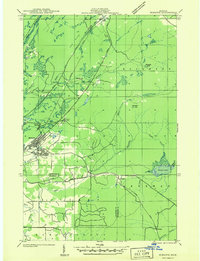
1941 · Mohawk
USGS Topo · 1:31,680
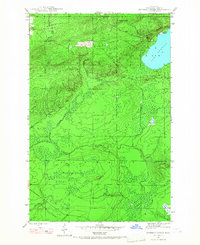
1946 · Bruneau Creek
USGS Topo · 1:24,000
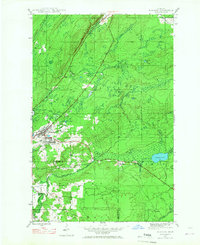
1946 · Mohawk
USGS Topo · 1:24,000
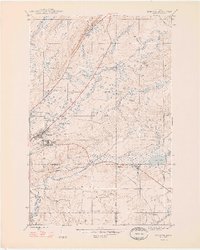
1948 · Mohawk
USGS Topo · 1:24,000
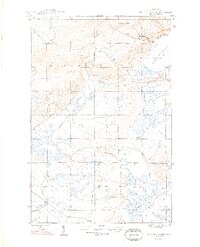
1948 · Bruneau Creek
USGS Topo · 1:24,000
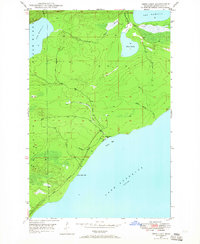
1948 · Deer Lake
USGS Topo · 1:24,000
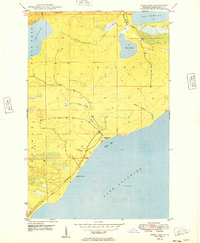
1949 · Deer Lake
USGS Topo · 1:24,000