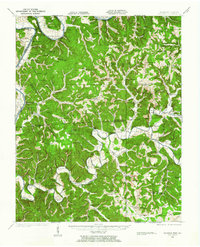
1926 Map of Lillydale
USGS Topo · Published 1964About this map
Cumberland River and Obey River meanders define this 1920s landscape along the Kentucky-Tennessee border. Before major hydroelectric projects altered these river valleys, small agricultural landings and river-dependent settlements like Lillydale and Strodes Landing served as vital hubs for local trade. The survey reveals a dense network of country schools, including Greenbrier School, Ashburn Creek School, and Barksdale School, illustrating the dispersed rural population that relied on these mountain ridges and river bottoms for subsistence.
Find a feature on this map
165 named features on this map. Tap any name to fly to it.
Don’t see what you’re looking for? This feature index may not catch every label — zoom into the map to look around manually.
Map Details
Editions of this 1926 Lillydale Map
This is the sole edition of this map. No revisions or reprints were ever made.
Other maps of this area
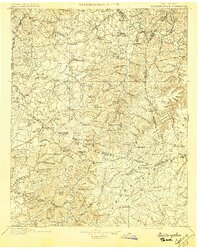
1897 · Standingstone
USGS Topo · 1:125,000
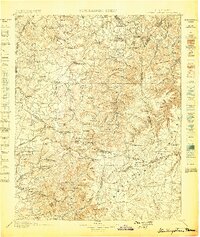
1898 · Standingstone
USGS Topo · 1:125,000
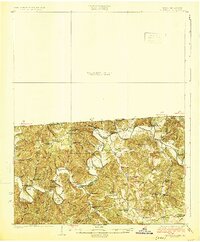
1924 · Lillydale
USGS Topo · 1:62,500
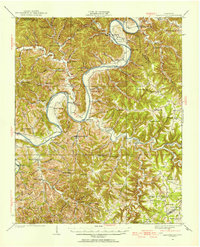
1925 · Gainesboro
USGS Topo · 1:62,500
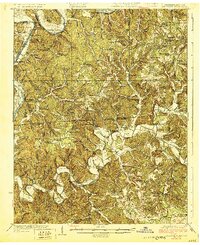
1929 · Lillydale
USGS Topo · 1:62,500
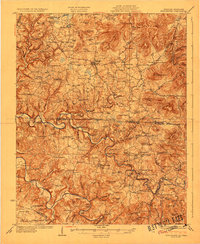
1929 · Byrdstown
USGS Topo · 1:62,500
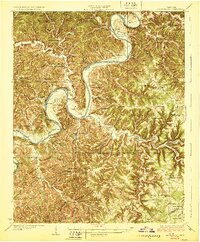
1929 · Gainesboro
USGS Topo · 1:62,500
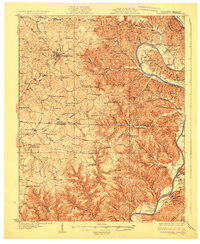
1929 · Tompkinsville
USGS Topo · 1:62,500
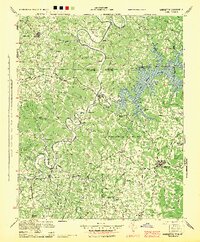
1944 · Livingston
USGS Topo · 1:24,000
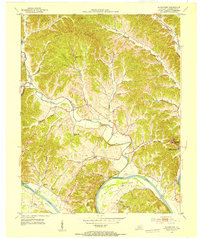
1953 · Waterview
USGS Topo · 1:24,000