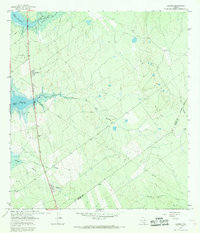
1965 Map of Lopeno
USGS Topo · Published 1968About this map
The borderlands of South Texas along the Falcon Reservoir define this mid-1960s landscape, where the rising waters of the Rio Grande meet the industrial infrastructure of the Lopeño Gas Field. Small settlements like Lopeño and Falcon are positioned near the reservoir's edge, connected by the corridor of Route 83. The terrain is deeply etched by a network of ephemeral waterways including Arroyo del Tigre Grande, Arroyo del Tigre Chiquita, and Los Barrosos Creek, which drain toward the international boundary. A network of pipelines crisscrosses the brush country, servicing the local energy sector and converging near a Pumping Sta. The transition from Zapata County to Starr County is marked by a prominent Zapata Co Starr Co boundary line, illustrating the administrative and industrial organization of the Rio Grande Valley during this era of reservoir management.
Find a feature on this map
14 named features on this map. Tap any name to fly to it.
Don’t see what you’re looking for? This feature index may not catch every label — zoom into the map to look around manually.
Map Details
Editions of this 1965 Lopeno Map
This is the sole edition of this map. No revisions or reprints were ever made.
Other maps of this area
1938 · Falcon
USGS Topo · 1:62,500
1938 · El Sauz
USGS Topo · 1:62,500
1938 · Cuevitas
USGS Topo · 1:62,500
1949 · Mc Allen
USGS Topo · 1:250,000
1954 · McAllen
USGS Topo · 1:250,000
1956 · Arroyo Clareno
USGS Topo · 1:62,500
1957 · Mc Allen
USGS Topo · 1:250,000
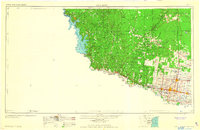
1962 · McAllen
USGS Topo · 1:250,000
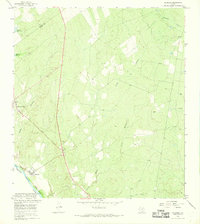
1965 · Salineno
USGS Topo · 1:24,000
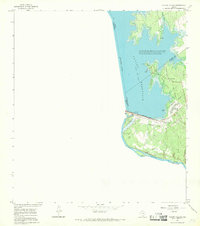
1965 · Falcon Village
USGS Topo · 1:24,000