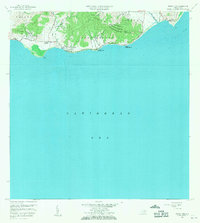
1960 Map of Punta Tuna
USGS Topo · Published 1971About this map
Faro Punta Tuna stands at the eastern edge of this coastal survey, overlooking the Caribbean Sea where the Sierra de Guardarraya meets the shore. The landscape is defined by the sharp transition from steep peaks like Cerro Mala Pascua to the narrow alluvial plains of the Rio Maunabo and Rio Jacaboa. Rural life in the early 1960s is evidenced by small settlements and agricultural estates, including Lamboglia, Recio, and the Hacienda San Isidoro.
Find a feature on this map
28 named features on this map. Tap any name to fly to it.
Don’t see what you’re looking for? This feature index may not catch every label — zoom into the map to look around manually.
Map Details
Editions of this 1960 Punta Tuna Map
2 editions found
Other maps of this area
1945 · Punta Tuna
USGS Topo · 1:30,000
1946 · Patillas
USGS Topo · 1:30,000
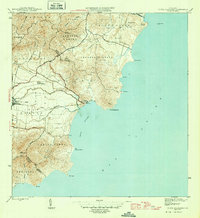
1946 · Punta Guayanes
USGS Topo · 1:30,000
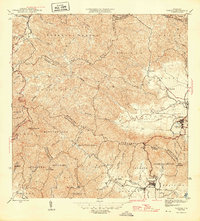
1946 · Yabucoa
USGS Topo · 1:30,000
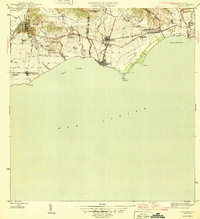
1946 · Guayama
USGS Topo · 1:30,000
1947 · Yabucoa SO
USGS Topo · 1:10,000
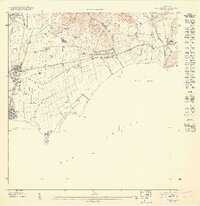
1947 · Guayama NE
USGS Topo · 1:10,000
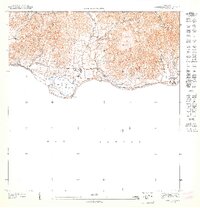
1947 · Punta Tuna NO
USGS Topo · 1:10,000
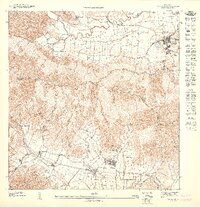
1947 · Yabucoa SE
USGS Topo · 1:10,000
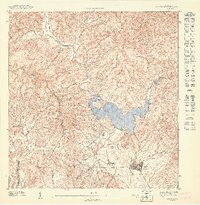
1947 · Patillas SE
USGS Topo · 1:10,000
Featured Places
- Barro Blanco, Patillas
- Sector María Marisca, Patillas
- Sector Bordaleza, Maunabo
- Sector Higuero, Patillas
- Maunabo