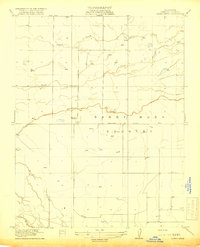
1918 Map of Sandy Mush
USGS Topo · Published 1918About this map
Sandy Mush Country in central California was defined by its complex network of watercourses during the early twentieth century. This 1916 survey, overseen by State Engineer W. F. McClure, documents a landscape where agricultural viability depended on the management of seasonal flows. Significant channels like Owens Creek and Duck Slough wind through the terrain, while the southern reaches are dominated by the winding paths of Mariposa Slough and Sand Slough. The sparse infrastructure of the era is concentrated along the Sandy Mush and Athlone Road, which served as a primary transit corridor for the region's early residents. Educational life for local families centered on the Lone Tree School, a solitary landmark in an area otherwise characterized by numerous scattered wells, signaling the heavy reliance on groundwater for the developing ranching and farming operations of Merced County.
Find a feature on this map
9 named features on this map. Tap any name to fly to it.
Don’t see what you’re looking for? This feature index may not catch every label — zoom into the map to look around manually.
Map Details
Editions of this 1918 Sandy Mush Map
This is the sole edition of this map. No revisions or reprints were ever made.
Other maps of this area
1914 · Merced
USGS Topo · 1:31,680
1916 · Santa Rita Bridge
USGS Topo · 1:24,000
1916 · Delta Ranch
USGS Topo · 1:24,000
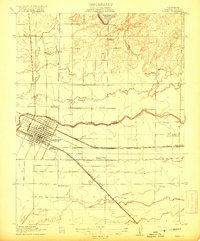
1917 · Merced
USGS Topo · 1:31,680
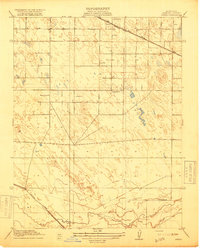
1918 · Arena
USGS Topo · 1:31,680
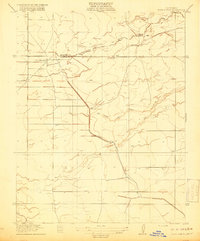
1918 · Bliss Ranch
USGS Topo · 1:31,680
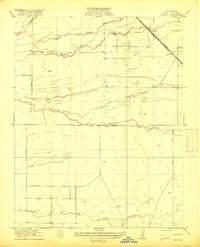
1918 · Lingard
USGS Topo · 1:31,680
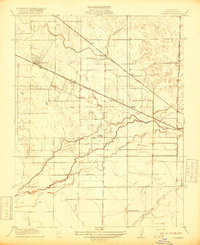
1918 · Atwater
USGS Topo · 1:31,680
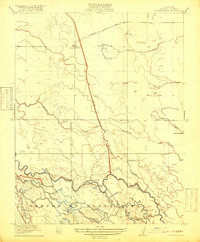
1918 · Turner Ranch
USGS Topo · 1:31,680
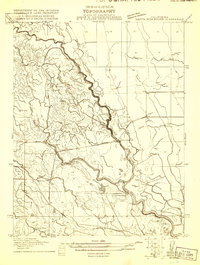
1920 · Santa Rita Bridge
USGS Topo · 1:31,680