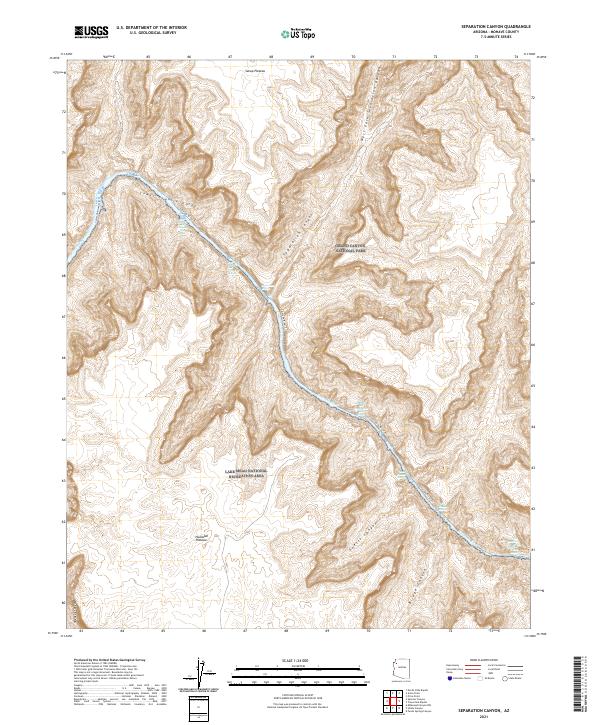
2021 Map of Separation Canyon
USGS Topo · Published 2021About this map
The Colorado River cuts a deep path through northwestern Arizona, defining the boundary where the Grand Canyon National Park meets the Lake Mead National Recreation Area. This terrain is characterized by massive elevation shifts between the high Sanup Plateau to the north and the Hualapai Plateau to the south. Within the Lower Granite Gorge, the river is marked by a series of significant whitewater features, including Two Hundred and Forty-one Mile Rapids and the well-known Separation Rapids. The landscape is etched by deep side drainages such as Separation Canyon, Gneiss Canyon, and Bridge Canyon, providing a detailed look at the canyon's complex geological structure. For those tracing the river's path on foot, the Colorado River Trl follows the water's edge through some of the most isolated stretches of the gorge.
Find a feature on this map
25 named features on this map. Tap any name to fly to it.
Don’t see what you’re looking for? This feature index may not catch every label — zoom into the map to look around manually.
Map Details
Editions of this 2021 Separation Canyon Map
This is the sole edition of this map. No revisions or reprints were ever made.
Other maps of this area
1886 · Diamond Creek
USGS Topo · 1:250,000
1892 · Diamond Creek
USGS Topo · 1:250,000
1948 · Williams
USGS Topo · 1:250,000
1954 · Williams
USGS Topo · 1:250,000
1956 · Williams
USGS Topo · 1:250,000
1960 · Williams
USGS Topo · 1:250,000
1961 · Williams
USGS Topo · 1:250,000
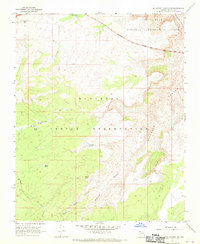
1967 · Milkweed Canyon NW
USGS Topo · 1:24,000
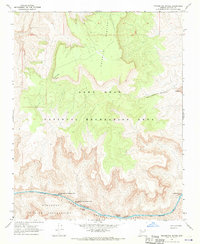
1967 · Travertine Rapids
USGS Topo · 1:24,000
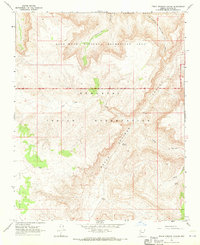
1967 · Peach Springs Canyon
USGS Topo · 1:24,000