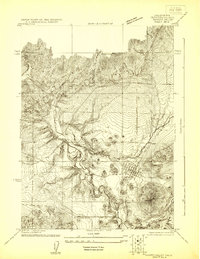
1922 Map of Shasta Valley Sheet No 4
USGS Topo · Published 1922About this map
Montague serves as the central hub of this 1922 advance sheet, situated at the intersection of the Southern Pacific railroad and early automotive thoroughfares like Route 14. The landscape is defined by the hydrologic network of the Shasta River, which is joined by the Little Shasta River and the winding Oregon Slough. This survey, conducted in cooperation with the U.S. Reclamation Service, captures the region's development during a period of expanding utility infrastructure, most notably evidenced by the prominent California Oregon Power Company Line traversing the terrain.
Find a feature on this map
11 named features on this map. Tap any name to fly to it.
Don’t see what you’re looking for? This feature index may not catch every label — zoom into the map to look around manually.
Map Details
Editions of this 1922 Shasta Valley Sheet No 4 Map
This is the sole edition of this map. No revisions or reprints were ever made.
Other maps of this area
1886 · Shasta
USGS Topo · 1:250,000
1894 · Shasta
USGS Topo · 1:250,000
1921 · Shasta Valley Sheet No 6
USGS Topo · 1:24,000
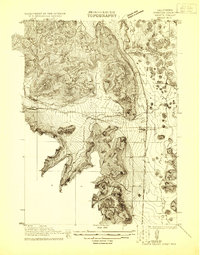
1921 · Shasta Valley Sheet No 2
USGS Topo · 1:24,000
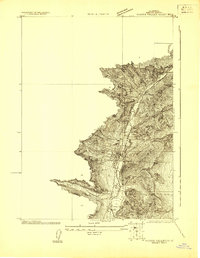
1922 · Shasta Valley Sheet No 3
USGS Topo · 1:24,000
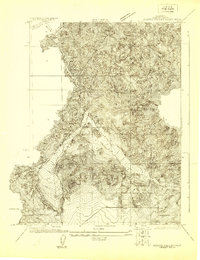
1922 · Shasta Valley Sheet No 14
USGS Topo · 1:24,000
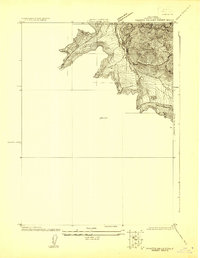
1922 · Shasta Valley Sheet No 3 S
USGS Topo · 1:24,000
1922 · Shasta Valley Sheet No 5
USGS Topo · 1:24,000
1932 · Yreka
USGS Topo · 1:96,000
1934 · Macdoel
USGS Topo · 1:96,000