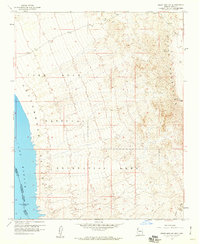
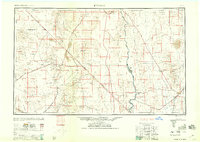
1959 Map of Spirit Mtn. NE
USGS Topo · Published 1960About this map
Black Mountains topography dominates the eastern half of this 1959 survey, where the desert landscape is marked by isolated mining history at sites like the Portland Mine and the enigmatic Lost Cabin. This area of the Lake Mead National Recreation Area showcases the transition from the high peaks of the range down into the Cottonwood Valley. The western edge of the map follows the boundary between Nevada and Arizona as defined by the Colorado River and the southern reaches of Lake Mead. The infrastructure of the era is sparse, consisting primarily of a Jeep Trail winding through the alluvial fans and scattered Wells providing critical water sources in an otherwise arid corridor of the Southwest.
Find a feature on this map
12 named features on this map. Tap any name to fly to it.
Don’t see what you’re looking for? This feature index may not catch every label — zoom into the map to look around manually.
Map Details
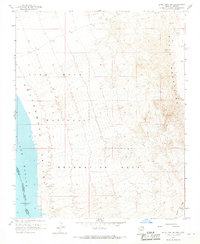
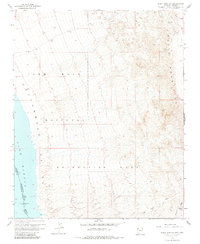
Editions of this 1959 Spirit Mtn. NE Map
3 editions found
Other maps of this area
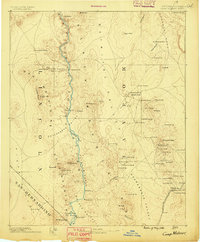
1886 · Camp Mohave
USGS Topo · 1:250,000
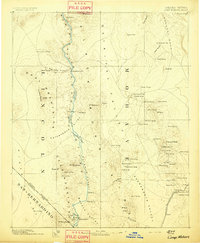
1892 · Camp Mohave
USGS Topo · 1:250,000
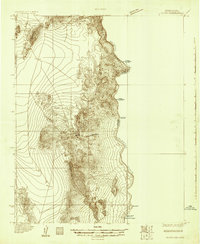
1926 · Nelson
USGS Topo · 1:96,000
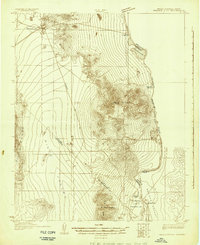
1926 · Mohave City
USGS Topo · 1:96,000
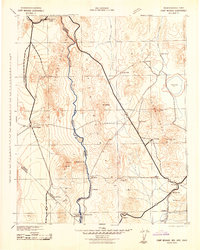
1942 · Camp Mohave
USGS Topo · 1:250,000
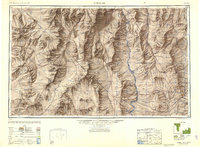
1947 · Kingman
USGS Topo · 1:250,000
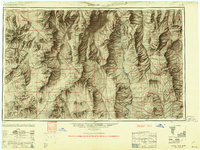
1948 · Kingman
USGS Topo · 1:250,000
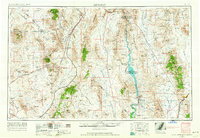
1954 · Kingman
USGS Topo · 1:250,000
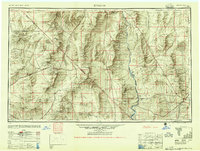
1955 · Kingman
USGS Topo · 1:250,000
1958 · Kingman
USGS Topo · 1:250,000