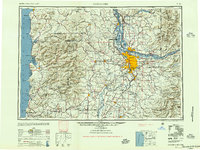
1948 Map of Vancouver
USGS Topo · Published 1957About this map
The Columbia River serves as the dominant geographic spine of this Pacific Northwest region, dividing the growing urban centers of Portland and Vancouver as they appeared just after World War II. The map illustrates a diverse landscape of riverine commerce, coastal settlement, and timbered highlands. Along the Pacific coast, U S Highway 101 connects a string of beachside communities from Seaside down through the now-lost spit of Bayocean on Tillamook Bay. The interior is defined by complex river systems like the Willamette and Nehalem, which supported the region's agricultural and industrial base.
Find a feature on this map
321 named features on this map. Tap any name to fly to it.
Don’t see what you’re looking for? This feature index may not catch every label — zoom into the map to look around manually.
Map Details
Editions of this 1948 Vancouver Map
This is the sole edition of this map. No revisions or reprints were ever made.
Other maps of this area
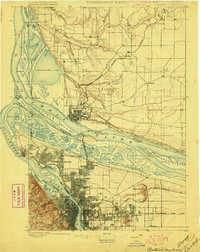
1897 · Portland
USGS Topo · 1:62,500
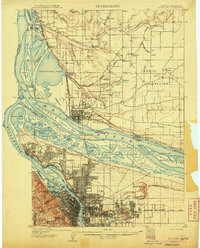
1905 · Portland
USGS Topo · 1:62,500
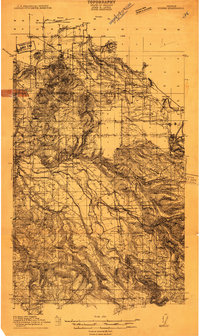
1911 · Boring
USGS Topo · 1:48,000
1914 · Boring
USGS Topo · 1:62,500
1914 · Oregon City
USGS Topo · 1:62,500
1915 · Rickreall
USGS Topo · 1:31,680
1915 · Hillsboro
USGS Topo · 1:62,500
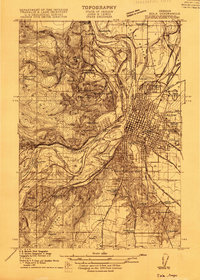
1915 · Eola
USGS Topo · 1:31,680
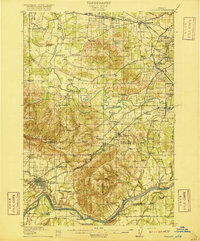
1916 · Tualatin
USGS Topo · 1:62,500
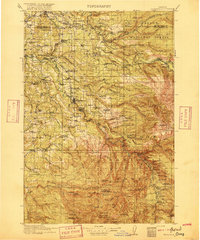
1916 · Estacada
USGS Topo · 1:125,000