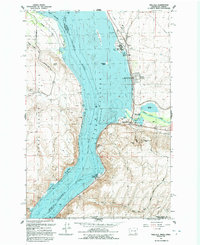
1992 Map of Wallula
USGS Topo · Published 1992About this map
The Columbia River and Lake Wallula dominate this 1990s-era geography at the confluence with the Walla Walla River. The landscape is a critical transportation corridor, where the Burlington Northern and Union Pacific railroads intersect near the water's edge. History is deeply embedded in the terrain at the Fort Walla Walla Historical Monument and Madame Dorion Memorial Park, marking the significance of this river crossing for early travelers and settlers.
Find a feature on this map
47 named features on this map. Tap any name to fly to it.
Don’t see what you’re looking for? This feature index may not catch every label — zoom into the map to look around manually.
Map Details
Editions of this 1992 Wallula Map
This is the sole edition of this map. No revisions or reprints were ever made.
Other maps of this area
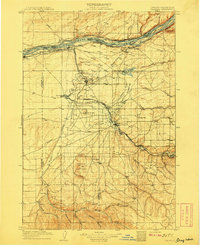
1908 · Umatilla
USGS Topo · 1:125,000
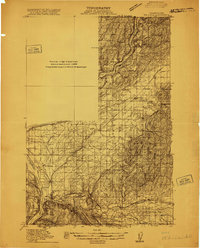
1915 · Wallulah
USGS Topo · 1:96,000
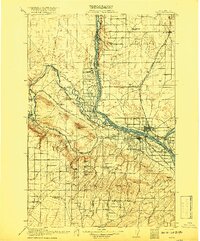
1917 · Pasco
USGS Topo · 1:125,000
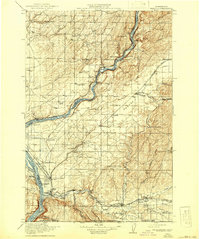
1918 · Wallula
USGS Topo · 1:125,000
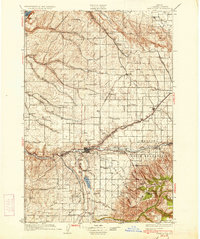
1935 · Pendleton
USGS Topo · 1:125,000
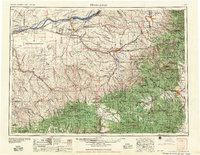
1953 · Pendleton
USGS Topo · 1:250,000
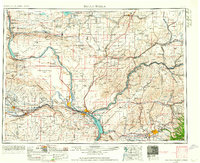
1953 · Walla Walla
USGS Topo · 1:250,000
1956 · Pendleton
USGS Topo · 1:250,000
1958 · Walla Walla
USGS Topo · 1:250,000
1962 · Juniper
USGS Topo · 1:24,000