Old Maps of Juncos
Explore 38 old maps of Juncos, spanning from 1945 to today. These high-resolution historic maps reveal how streets, neighborhoods, landmarks, and natural features evolved over time — perfect for genealogy, metal detecting, research, and local history exploration.
What you can do with these maps:
- See how Juncos changed over time: Compare historical maps to modern-day views to trace roads, homesites, rail lines & more.
- View detailed metadata: Each map includes creators, publishers, year, scale, and archive source.
- Overlay maps with satellite & LiDAR: Visualize the past alongside modern tools to explore terrain & human change.
- Trusted historical sources: Maps sourced from the USGS, Library of Congress, and other archives.
- Access maps your way: View online, download high-res files, or order prints for personal or research use.
Start exploring old maps of Juncos to uncover forgotten places, hidden landmarks, and the deep history beneath your feet.
Juncos maps
(38)- 1945 Map of El Yunque
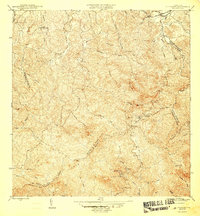 1945 El Yunque1945 Print · USGSThe peaks of the Luquillo range rise sharply in the mid-1940s, showing the interior of the Caribbean National Forest before modern expansion. Genealogists and historians can trace old community sites like Mameyes (Palmer), the Escuela Casiano Cepeda, and the localized activity at La Mina.
 - 1946 Map of El Yunque
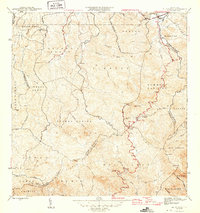 1946 El Yunque1946 Print · USGSNortheastern Puerto Rico is depicted here in the mid-1940s, showcasing the mountainous interior as it rises from the coast. Researchers can trace the trails and summits of the Luquillo National Forest or locate rural landmarks like Mameyes (Palmer) and the Escuela Casiano Cepeda.3 unique versions available
 - 1946 Map of Humacao
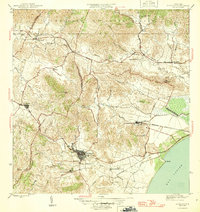 1946 Humacao1946 Print · USGSCoastal Puerto Rico in the mid-forties was a landscape defined by the sugar industry and its specialized rail networks. Genealogists and historians can trace the worker colonias and railroads like the Ferrocarril de Pasto Viejo and Central Ejemplo.4 unique versions available
 - 1946 Map of Gurabo
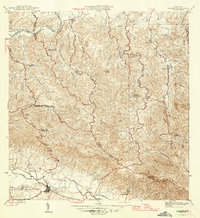 1946 Gurabo1946 Print · USGSThe foothills and river valleys of northeastern Puerto Rico come alive in this post-war survey. Genealogists can locate family-named landmarks and rural centers like Trujillo Bajo, Campo Rico, and the Escuela Segunda Unidad de Cacao.3 unique versions available
 - 1946 Map of Juncos
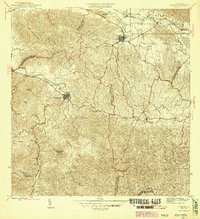 1946 Juncos1946 Print · USGSEastern Puerto Rico’s agricultural heartland is documented here in the mid-1940s, centered on the growing municipalities of Juncos and San Lorenzo. Genealogists and researchers can trace local family lands near the Escuela Segunda Unidad de Quebrada Honda and the fields of Eastern Sugar Associates.3 unique versions available
 - 1947 Map of El Yunque SO
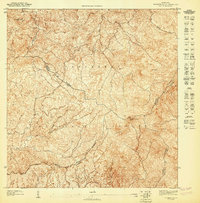 1947 El Yunque SO1947 Print · USGSThe rainforest peaks of eastern Puerto Rico are captured in this mid-century survey as they appeared before modern infrastructure reached deep into the mountains. Researchers can trace the high-altitude municipal boundaries near El Toro Southwest Peak and the source of the Río Grande de Loíza.
 - 1947 Map of Gurabo SE
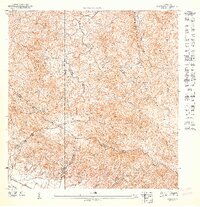 1947 Gurabo SE1947 Print · USGSEastern Puerto Rico’s interior ridges and river valleys are captured here in the mid-1940s, just as the sugar economy still shaped local transit. Genealogists and historians can trace the settlement at Las Piñas and the sprawling footprint of Eastern Sugar Associates near the Río Gurabo.
 - 1947 Map of Juncos NE
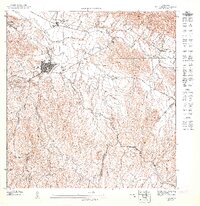 1947 Juncos NE1947 Print · USGSJuncos and its surrounding sugar lands are captured here in the late 1940s, just after the war. Researchers can trace the industrial footprint of the Central Juncos mill and the rail lines of Eastern Sugar Associates along the Río Gurabo.
 - 1947 Map of Gurabo SO
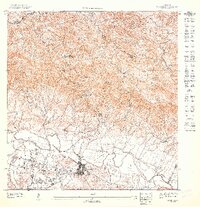 1947 Gurabo SO1947 Print · USGSGurabo and the surrounding valley appear in this 1940s survey during the height of the island's agricultural era. Genealogists and historians can trace local landmarks like Gurabo, the rural Escuela Segunda Unidad de Quebrada Infierno, and the Military Reservation.
 - 1947 Map of Juncos SE
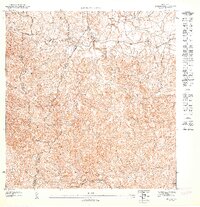 1947 Juncos SE1947 Print · USGSThe interior of Las Piedras in the late 1940s reveals a network of mountain trails and municipal boundaries centered on Cerro Vistazo. Genealogists and historians can trace the headwaters of the Río Valenciano and Río Humacao through several municipal jurisdictions.
 - 1947 Map of Juncos NO
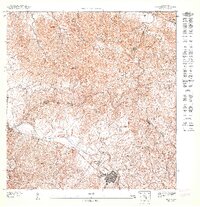 1947 Juncos NO1947 Print · USGSSan Lorenzo and the surrounding highlands are captured in detail just after the war, showing the area's transition into the mid-century. Researchers can trace the early town grid near the Río Grande de Loíza or locate rural homesteads in Cantagallo.
 - 1947 Map of Humacao NO
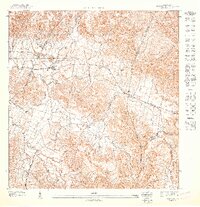 1947 Humacao NO1947 Print · USGSEastern Puerto Rico in the late 1940s reveals a landscape defined by the sugar industry and the mountains of the Caribbean National Forest. Genealogists and historians can trace the early footprints of settlements like Pueblito del Rio and Melillas along the banks of the Rio Gurabo.
 - 1952 Map of Humacao, 1953 Print
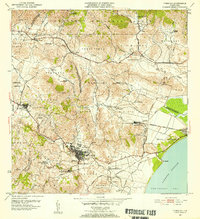 1952 Humacao1953 Print · USGSSoutheast Puerto Rico in the early fifties shows a bustling agricultural landscape defined by the sugar industry and coastal rail. Genealogists and historians can locate numerous workforce settlements and family-named landmarks like Central El Ejemplo, Colonia Santa Teresa, and Pueblito del Rio.2 unique versions available
 - 1952 Map of Gurabo, 1953 Print
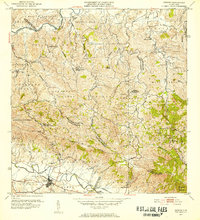 1952 Gurabo1953 Print · USGSThe valleys and peaks of eastern Puerto Rico are captured here in the early fifties, showing the rural development of the Gurabo region. Genealogists and historians can trace local family landmarks and community hubs like Trujillo Bajo, Escuela Manuel Agosto, and the Cementerio Rural de Gurabo.2 unique versions available
 - 1952 Map of El Yunque, 1953 Print
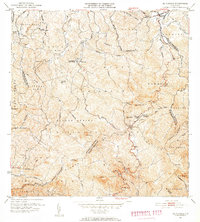 1952 El Yunque1953 Print · USGSThe peaks of the Sierra de Luquillo are mapped here in the early fifties during a period of expanding forest management and rural education. Researchers can locate early forest facilities like the Area Recreo de la Mina and local landmarks like Escuela Malpica.2 unique versions available
 - 1952 Map of Juncos, 1953 Print
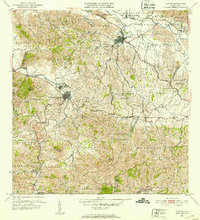 1952 Juncos1953 Print · USGSEastern Puerto Rico in the early fifties reveals a landscape of sugar production and mountain mining. Genealogists and historians can trace family roots through the barrio sectors of Juncos and San Lorenzo or locate the Mina de Hierro and Central Juncos.2 unique versions available
 - 1955 Map of Gurabo, 1956 Print
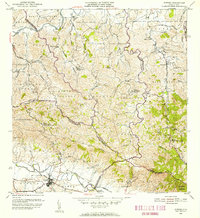 1955 Gurabo1956 Print · USGSMid-century Gurabo and the surrounding highlands are captured here during a period of agricultural and educational expansion. Genealogists and historians can trace family roots through labeled landmarks like Trujillo Bajo, Escuela Abraham Lincoln, and the Cementerio Rural de Gurabo.
 - 1957 Map of Gurabo, 1959 Print
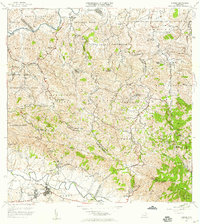 1957 Gurabo1959 Print · USGSThe Puerto Rican interior near the confluence of the Rio Gurabo and Rio Grande de Loiza comes alive in this late 1950s survey. Researchers can trace rural lineages through the Cementerio Rural de Carruzos and local schools like Escuela Manuel Lebron.
 - 1958 Map of El Yunque, 1960 Print
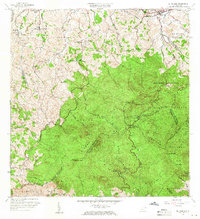 1958 El Yunque1960 Print · USGSThe rainforest peaks and coastal valleys of eastern Puerto Rico are captured here in the late fifties. Genealogists and researchers can trace rural life at Mameyes or locate local landmarks like the Escuela Malpica and the old Mina workings.
 - 1958 Map of Juncos, 1960 Print
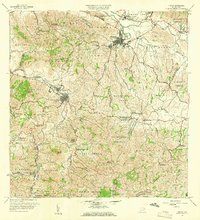 1958 Juncos1960 Print · USGSJuncos and San Lorenzo are captured here during a period of industrial sugar production and rural educational growth. Genealogists can locate family landmarks like Escuela Fraternidad Humana, the Central Juncos mill, and the inactive mine near Gurabo Arriba.
 - 1958 Map of Humacao, 1960 Print
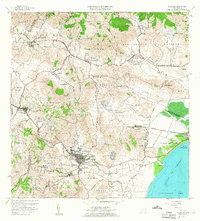 1958 Humacao1960 Print · USGSSoutheastern Puerto Rico is mapped here in the late fifties, showing the coastal sugar economy and mountain utility developments. Trace family roots in Humacao neighborhoods or find rural landmarks like Central El Ejemplo and the Planta Hidroeléctrica de Río Blanco.
 - 1962 Map of Gurabo, 1965 Print
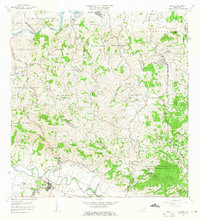 1962 Gurabo1965 Print · USGSThe valleys and peaks of eastern Puerto Rico are captured here in the early sixties, showing the vital waterways of the Río Gurabo. Local historians can trace family locations at settlements like Mariana and Maria Jiménez or locate the Cementerio Rural de Gurabo.
 - 1967 Map of Humacao, 1969 Print
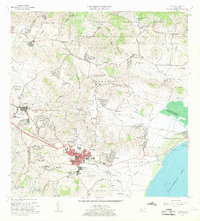 1967 Humacao1969 Print · USGSSoutheast Puerto Rico during the late sixties shows a landscape of growing towns and industrial sites near the coast. Genealogists can locate numerous local schools like Escuela Dra Isidra Vidal and trace historical transport lines like the Via del Ferrocarril.3 unique versions available
 - 1967 Map of Juncos, 1969 Print
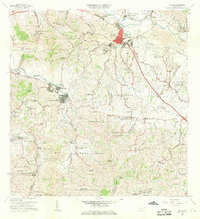 1967 Juncos1969 Print · USGSJuncos and the surrounding valley are captured in the late sixties, showcasing the intersection of industrial sites and dozens of rural schools. Researchers can trace the layout of Central Juncos, locate the Iglesia de la Placita, or find family-named sites like Escuela Manuel Torres.5 unique versions available
 - 1967 Map of El Yunque, 1969 Print
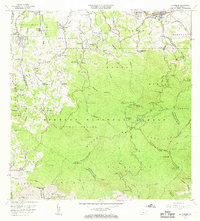 1967 El Yunque1969 Print · USGSThe Luquillo Mountains of Puerto Rico appear here in the late sixties as the island’s mountain interior and coastal barrios continued to develop. Researchers can trace rural school locations like Escuela Morovis and forest landmarks like Pico El Yunque.4 unique versions available
Showing maps 1-25 of 38
Frequently asked questions
- What are the different types of historical maps available for Juncos?
- What is the oldest map of Juncos?
- Where can I purchase historical maps of Juncos for my home or office?
- Where can I download high-res historical maps of Juncos?
- Are there historical topographic maps available for Juncos?
- Is there historical aerial imagery available for Juncos?
- Where are historical maps of Juncos sourced from?