Old Maps of South Vinemont, Alabama for Academic Research
Study the evolution of South Vinemont with 39 high-resolution historic maps. Whether you're teaching, researching, or modeling changes in land use, these maps provide essential visual documentation of urban, environmental, and geographic change.
- Analyze long-term change: Track patterns in development, transportation, and natural features.
- Ideal for environmental or urban studies: Support academic projects with primary historical map data.
- Use in the classroom or lab: Educators and researchers rely on these maps to bring historical context to life.
These maps are a powerful tool for teaching, research, and visualizing how South Vinemont has changed over the decades.
South Vinemont, AL maps
(39)- 1888 Map of Cullman
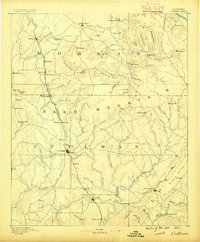 1888 Cullman1888 Print · USGSCullman and Morgan counties are shown in the late 1880s as the railroad fueled growth across the Sand Mountain region. Genealogists can trace early homesteads and commerce at Sobotka's Mill, Fort Bluff, and the riverside town of Blountsville.
 - 1892 Map of Cullman
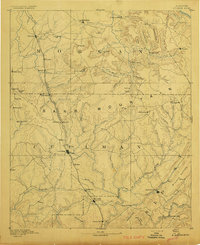 1892 Cullman1892 Print · USGSNorth-central Alabama's development is centered on the railroad corridor and rugged plateau country in the late nineteenth century. Genealogists can trace family footprints at Sobotka's Mill, along the historic Stout's Road, or near the remote Newsome Sinks.4 unique versions available
 - 1927 Map of Falkville
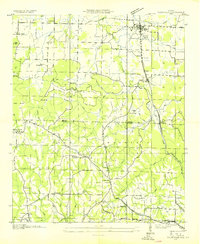 1927 Falkville1927 Print · USGSMorgan and Cullman counties are captured in the mid-1930s, showing the early infrastructure of the Tennessee Valley Authority. Genealogists can locate family landmarks like Wilhites Cem or community hubs such as Roundtop Ch and Panama Sch.
 - 1936 Map of Eva
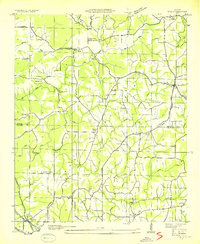 1936 Eva1936 Print · USGSThe Morgan and Cullman county line was a landscape of ridge-top settlements and creek valleys in the mid-1930s. Genealogists can trace family footprints at Dripping Spring Sch, Hamby Chapel, and the Morris Cem near the railroad.
 - 1949 Map of Falkville, 1970 Print
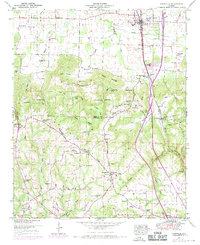 1949 Falkville1970 Print · USGSMorgan and Cullman counties are captured here at mid-century, defined by the rise of Brindlee Mountain and the Louisville and Nashville rail line. Researchers can trace the Old Tennessee Corn Road and locate family landmarks like Piney Grove Cem or Friendship Church.4 unique versions available
 - 1949 Map of Eva, 1977 Print
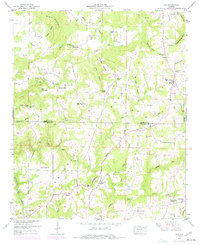 1949 Eva1977 Print · USGSThe Morgan and Cullman County line in the mid-twentieth century was a region of ridge-top farms and deep hollows. Genealogists and local historians can trace the foundations of these communities through landmarks like Gravel Hill Church, the Louisville and Nashville rail corridor at Vinemont, and Turney Cem.
 - 1951 Map of Eva
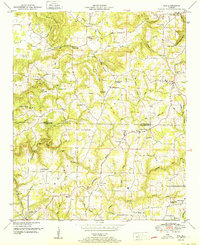 1951 Eva1951 Print · USGSThe Morgan and Cullman County line is captured here in the early fifties, showing a rural landscape organized by ridge-top churches and valley coves. Genealogists can locate family landmarks like Childers Cem, Morris Cem, and the Union Hill Church.
 - 1951 Map of Falkville
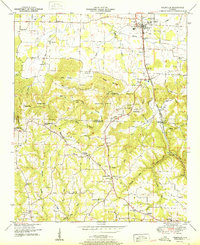 1951 Falkville1951 Print · USGSThe Morgan and Cullman County line is captured here in the early postwar era, dominated by the rise of Brindley Mountain. Genealogists and local historians can trace family locations near Falkville, the Ebenezer School, and the path of the Old Corn Road.
 - 1956 Map of Gadsden, 1966 Print
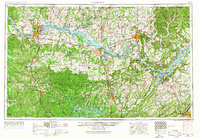 1956 Gadsden1966 Print · USGSNorth Alabama in the mid-1950s shows a region transformed by river engineering and federal industry. Genealogists and local historians can trace the development of the Tennessee Valley through the growth of Huntsville, the sprawling Redstone Arsenal, and the expansive Guntersville Lake.3 unique versions available
 - 1957 Map of Cullman, 1960 Print
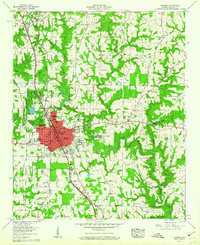 1957 Cullman1960 Print · USGSCullman and the surrounding plateaus of Brindley Mountain are shown here in the late fifties as the city expanded along its historic rail and highway corridors. Genealogists and local historians can locate St Bernard College, the Ave Maria Grotto, and numerous family-named landmarks like Pfal Cem and Kelly Sch.5 unique versions available
 - 1958 Map of Gadsden
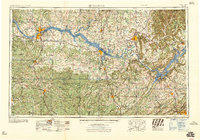 1958 Gadsden1958 Print · USGSNorth Alabama comes alive in the late 1950s as the Tennessee Valley Authority’s massive river projects and the rise of the space industry reshaped the landscape. Researchers can trace the mid-century footprints of Huntsville, Redstone Arsenal, and the riverside rail networks of the Southern railroad.
 - 1958 Map of West Point, 1960 Print
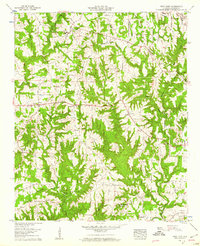 1958 West Point1960 Print · USGSWest Point and the surrounding Cullman County uplands are captured here in the late fifties, showing a landscape of small farms and ridge-top roads. Researchers can trace family roots through numerous sites like Bethel Ch, Mt Nebo Cem, and the Grandview Lookout Tower.3 unique versions available
 - 1960 Map of Gadsden
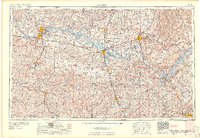 1960 Gadsden1960 Print · USGSNorthern Alabama in the mid-1950s is defined by the mighty Tennessee River and its massive reservoirs. Trace the development of Huntsville and Redstone Arsenal or explore the vast William B Bankhead National Forest.2 unique versions available
 - 1963 Map of Gadsden
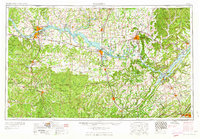 1963 Gadsden1963 Print · USGSNorthern Alabama underwent a dramatic mid-century transformation as the Tennessee Valley became a hub for defense and industry. Researchers can trace the development of the Redstone Arsenal, the route of the Natchez Trace Parkway, and long-standing rail lines like the Southern Railway.
 - 1984 Map of Guntersville, 1985 Print
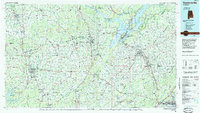 1984 Guntersville1985 Print · USGSNorthern Alabama at the start of the eighties shows a landscape shaped by massive TVA impoundments and a robust rail network. Genealogists and historians can trace family land across Brindley Mountain or near old rail stops on the Louisville and Nashville RR and Southern Ry.2 unique versions available
 - 2011 Map of Cullman, 2011 Print
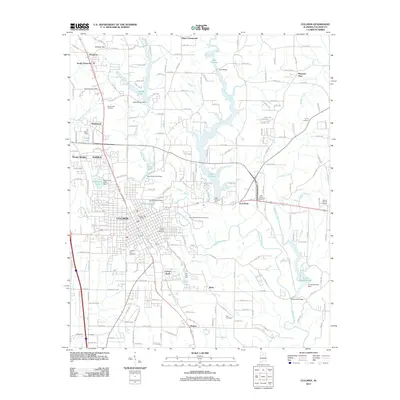 2011 Cullman2011 Print · USGSCullman and the surrounding highlands of Cullman County are shown here as they appeared in the early 21st century. Genealogists and local historians can locate several family and community landmarks, from the Saint Bernard Abbey Cemetery to the Vinemont Post Office.
 - 2011 Map of Eva, 2011 Print
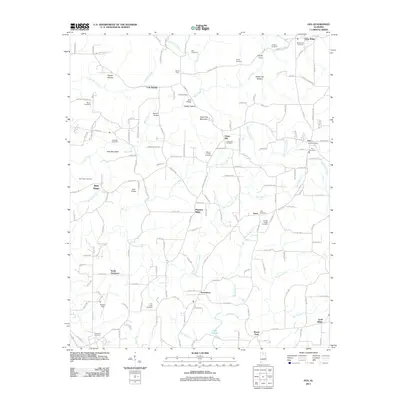 2011 Eva2011 Print · USGSCullman County at the start of the 2010s shows a landscape of high ridges and deep hollows interspersed with long-standing rural communities. Researchers can trace family history through numerous burial sites like Hamby Chapel or locate landmarks such as Cook Bridge and Lake Catoma.
 - 2011 Map of West Point, 2011 Print
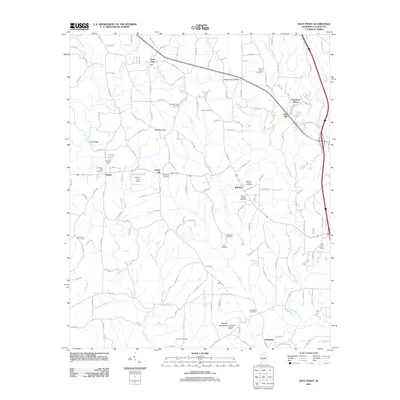 2011 West Point2011 Print · USGSCullman County agricultural and community life are well-documented here in the early twenty-first century. Genealogists and historians can locate numerous rural burial sites like Pilgrims Rest Cemetery and landmarks such as the Grandview Lookout Tower.
 - 2011 Map of Falkville, 2011 Print
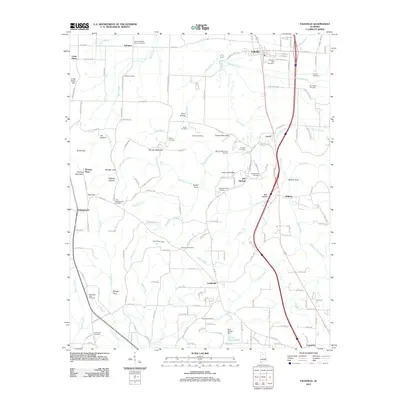 2011 Falkville2011 Print · USGSNorth-central Alabama in the early 2010s shows a landscape where modern transit corridors meet deep-rooted family history. Researchers can trace ancestral sites at Falkville City Cemetery and Friendship Cemetery, or locate rural landmarks like Zeke Hollow Camp Ground and Paul Rigsby Dam.
 - 2014 Map of Falkville, 2014 Print
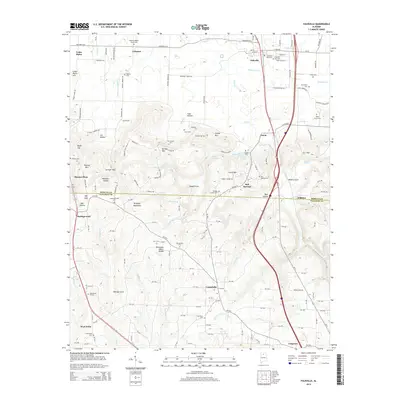 2014 Falkville2014 Print · USGSThe Morgan and Cullman County line runs through this north Alabama landscape during the early twenty-first century. Researchers can trace family history through numerous burial sites like Lebanon Baptist Church Cem and explore the terrain of Brindley Mountain and Milligan Cove.
 - 2014 Map of Eva, 2014 Print
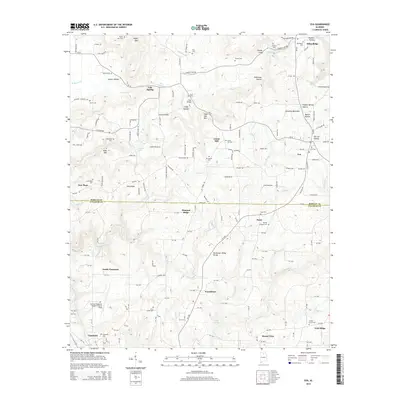 2014 Eva2014 Print · USGSCrossing the county line between Morgan and Cullman in 2014, this landscape shows the rural communities of Eva and Union Hill atop the Tennessee Valley Divide. Genealogists and historians can trace numerous family burial grounds like Ebenezer Cem and Hamby Chapel Cem alongside landmarks like Hale Bridge.
 - 2014 Map of West Point, 2014 Print
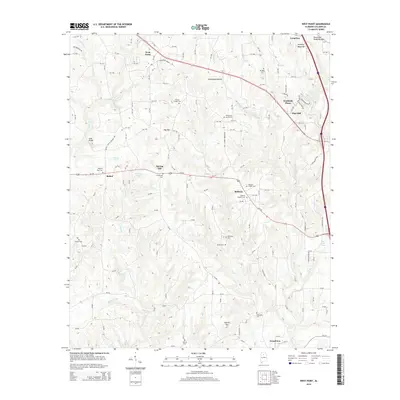 2014 West Point2014 Print · USGSCullman County at the start of the 2010s shows a landscape of ridge-top communities and winding creek valleys. Genealogists can trace family names through numerous rural burial sites including Missionary Grove Cem, Emeus Cem, and Pullen Cem.
 - 2014 Map of Cullman, 2014 Print
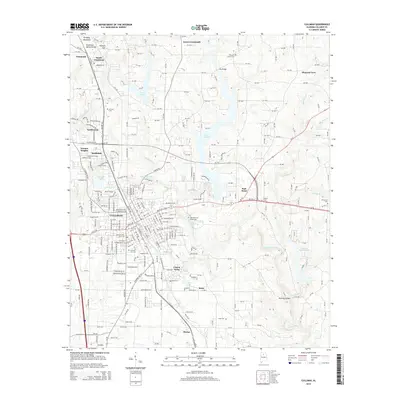 2014 Cullman2014 Print · USGSCullman and its surrounding Alabama hill country are captured here during a period of steady suburban and rural development. Researchers can locate numerous family and community landmarks, including the Saint Bernard Abbey Cemetery, Brindley Mountain, and the historic Cullman City Cemetery.
 - 2018 Map of Cullman, 2018 Print
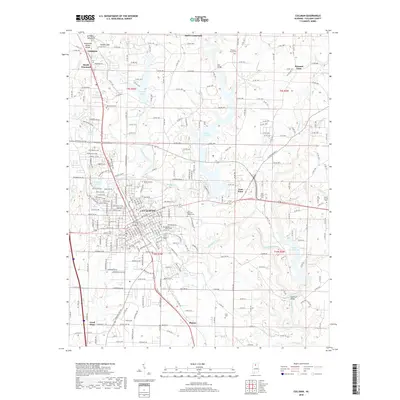 2018 Cullman2018 Print · USGSCullman and its neighboring plateaus are captured here in the late twenty-teens, showing the city's growth along the historical rail corridor. Researchers can locate family sites and local landmarks like Saint Bernard Abbey Cem, Holmes Gap, and the communities of South Vinemont and East Point.
 - 2018 Map of Eva, 2018 Print
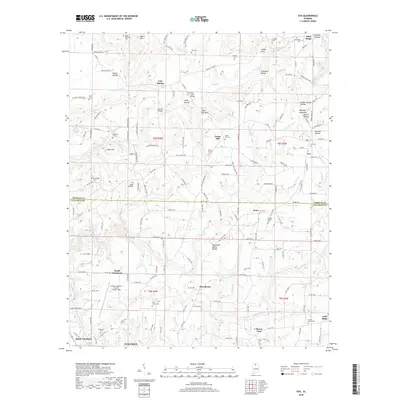 2018 Eva2018 Print · USGSUpper Alabama's rural uplands are shown in detail as they appeared in the late 2010s, straddling the county line between Morgan and Cullman. Genealogists can trace family roots at Vinemont Cem, Hamby Chapel, and Center Grove Cem while following the historic Tennessee Valley Divide.
Showing maps 1-25 of 39
Top cities near South Vinemont
- Cullman historical maps
- Hartselle historical maps
- Hanceville historical maps
- Good Hope historical maps
- Falkville historical maps
- Somerville historical maps
See more
Top neighborhoods of South Vinemont
Frequently asked questions
- What are the different types of historical maps available for South Vinemont?
- What is the oldest map of South Vinemont?
- Where can I purchase historical maps of South Vinemont for my home or office?
- Where can I download high-res historical maps of South Vinemont?
- Are there historical topographic maps available for South Vinemont?
- Is there historical aerial imagery available for South Vinemont?
- Where are historical maps of South Vinemont sourced from?