Old Maps of Cotton, Alabama
Explore 16 old maps of Cotton, spanning from 1901 to today. These high-resolution historic maps reveal how streets, neighborhoods, landmarks, and natural features evolved over time — perfect for genealogy, metal detecting, research, and local history exploration.
What you can do with these maps:
- See how Cotton changed over time: Compare historical maps to modern-day views to trace roads, homesites, rail lines & more.
- View detailed metadata: Each map includes creators, publishers, year, scale, and archive source.
- Overlay maps with satellite & LiDAR: Visualize the past alongside modern tools to explore terrain & human change.
- Trusted historical sources: Maps sourced from the USGS, Library of Congress, and other archives.
- Access maps your way: View online, download high-res files, or order prints for personal or research use.
Start exploring old maps of Cotton to uncover forgotten places, hidden landmarks, and the deep history beneath your feet.
Cotton, AL maps
(16)- 1901 Map of Wetumpka
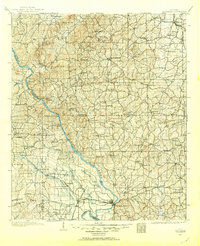 1901 Wetumpka1901 Print · USGSCentral Alabama at the dawn of the twentieth century was a landscape of river ferries and emerging rail lines. Genealogists and local historians can trace family-named river crossings like Knights Ferry and Nobles Ferry or early community centers such as Nixburg and Eclectic.
 - 1901 Map of Wetumpka
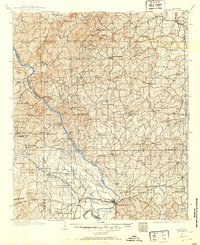 1901 Wetumpka1901 Print · USGSCentral Alabama at the turn of the century centers on the river junctions and early rail lines of Elmore and Coosa Counties. Trace the historical routes of the Louisville & Nashville RR and find long-forgotten sites like Sykes Mills and Liberty Church.
 - 1903 Map of Wetumpka
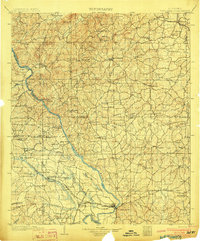 1903 Wetumpka1903 Print · USGSCentral Alabama at the turn of the century remains a landscape of river ferries and emerging rail lines along the Coosa River. Genealogists and researchers can trace the early locations of Sykes Mills, Liberty Church, and river crossings like Nobles Ferry.3 unique versions available
 - 1953 Map of Montgomery, 1964 Print
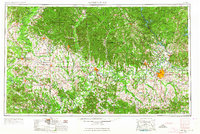 1953 Montgomery1964 Print · USGSCentral Alabama's river-and-rail corridor is mapped here in the mid-fifties, showing the vital connections between the capital and the Black Belt. Genealogists and historians can trace rail depots and crossroads from Marion Junction to Wetumpka, alongside landmarks like Craig AFB.4 unique versions available
 - 1956 Map of Montgomery
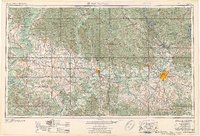 1956 Montgomery1956 Print · USGSCentral Alabama in the mid-1950s shows a landscape defined by its great river systems and a booming military aviation presence. Genealogists and historians can trace the rail corridors of the Southern Railway and locate tactical bases like Maxwell AFB and Craig AFB.
 - 1957 Map of Montgomery
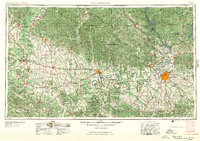 1957 Montgomery1957 Print · USGSCentral Alabama in the mid-fifties is defined by the winding Alabama River and a strategic network of military bases and rail lines. Trace family roots in Montgomery and Selma, or locate landmarks like Craig AFB and the State Capitol before the interstate era.
 - 1959 Map of Wetumpka, 1960 Print
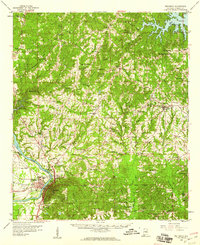 1959 Wetumpka1960 Print · USGSWetumpka and the Coosa River valley are shown in the late fifties as the regional rail and river network supported a growing community. Genealogists can trace family landmarks across Eclectic and Seman, from Tutwiler Prison to the Old Indian Boundary.2 unique versions available
 - 1984 Map of Eclectic, 1985 Print
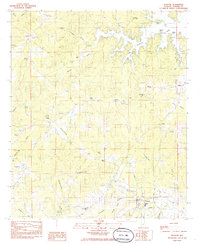 1984 Eclectic1985 Print · USGSElmore County life in the mid-eighties centers on the town of Eclectic and the southern reaches of Lake Martin. Genealogists and local historians can trace rural landmarks from Seman to Halls Chapel and the Bullard Cem.
 - 1986 Map of Clanton
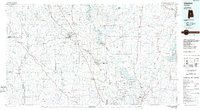 1986 Clanton1986 Print · USGSCentral Alabama’s river-driven landscape is captured here in the mid-eighties, centered on the growth of Clanton and the hydroelectric lakes of the Coosa River. Genealogists and historians can trace the Old Indian Treaty Boundary or locate landmarks like Sykes Mill and Collins Chapel.
 - 1987 Map of Clanton, 1990 Print
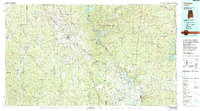 1987 Clanton1990 Print · USGSCentral Alabama in the late eighties reveals a landscape of massive river reservoirs and forest reserves. Trace the rail-and-road corridors through Clanton and Wetumpka to find historic sites like Fort Toulouse and Collins Chapel.
 - 2011 Map of Eclectic, 2011 Print
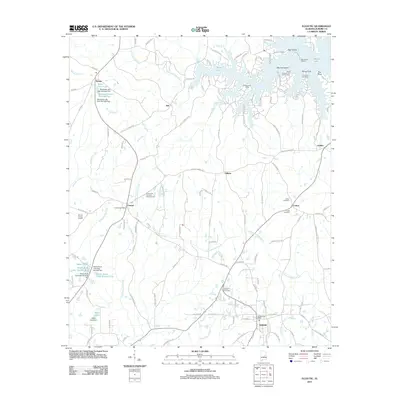 2011 Eclectic2011 Print · USGSElmore County's rural communities and lakeside reaches are captured here during a period of steady residential and recreational growth. Trace family roots and local history through the Eclectic Post Office, the Emmanuel Holiness Campground, and several cemeteries like Cotton Cemetery.
 - 2014 Map of Eclectic, 2014 Print
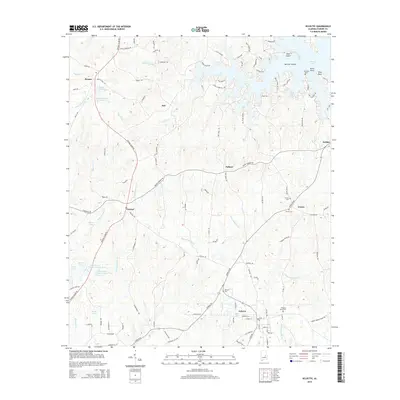 2014 Eclectic2014 Print · USGSElmore County's inland ridges and lakeside communities are captured here in the early twenty-first century. Researchers can trace family sites and old road alignments near Eclectic, Cotton Cem, and the historic Central Plank Rd.
 - 2018 Map of Eclectic, 2018 Print
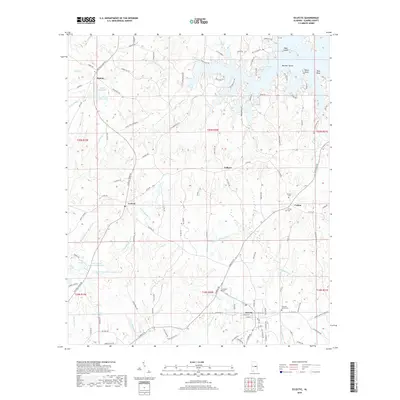 2018 Eclectic2018 Print · USGSElmore County at the close of the 2010s reveals a landscape where the rural settlements of Eclectic and Cotton meet the deep-water fingers of Martin Lake. Researchers can trace old family burial sites like Thrash Cem or locate legacy water features such as Black Well Lake and Channahatchee Cr.
 - 2020 Map of Eclectic, 2020 Print
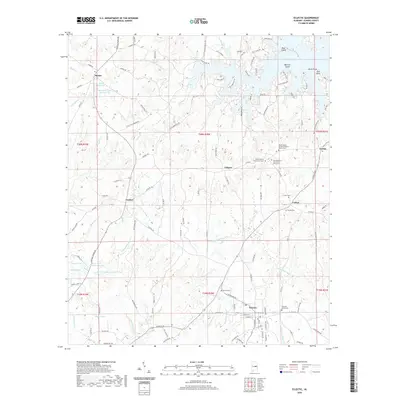 2020 Eclectic2020 Print · USGSElmore County at the start of the 2020s shows a landscape of deep-water coves and quiet rural communities. Researchers can trace family history through sites like Mount Gilead Primitive Baptist Church Cem or the settlements of Central and Eclectic.
 - 2023 Map of Eclectic, 2023 Print
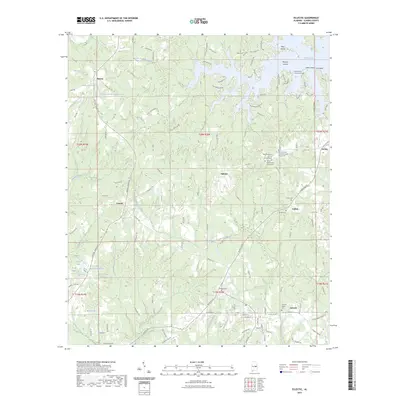 2023 Eclectic2023 Print · USGSThe community of Eclectic and the winding shores of Martin Lake are captured here in 2023, showcasing a landscape of deep-water points and rural crossroads. Researchers can trace local heritage through numerous sites like Cotton Cemetery, Old Harmony Church Cemetery, and the settlement of Seman.
 - 2024 Map of Eclectic, 2024 Print
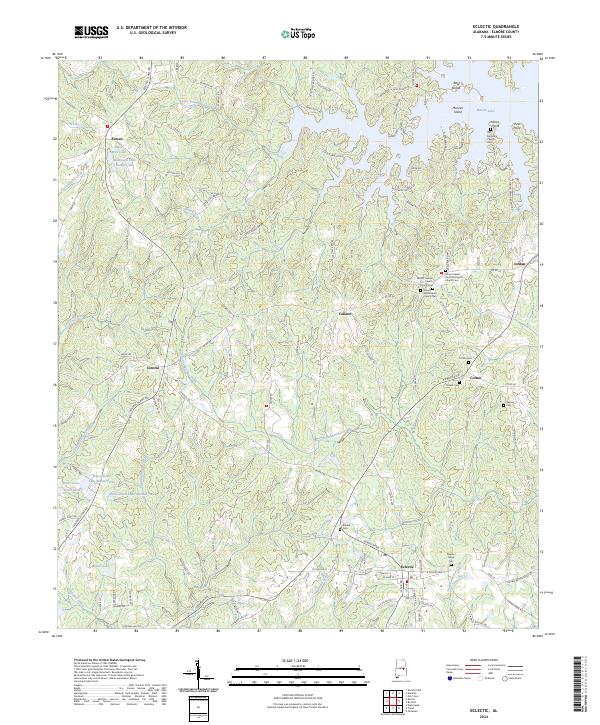 2024 Eclectic2024 Print · USGSElmore County at the modern day is a landscape of established rural communities and extensive waterways. Genealogists can trace family roots at Mount Gilead Primitive Baptist Church Cem or find old homesteads near Seman and Falkner.
End of results
Showing maps 1-16 of 16
Top cities near Cotton
- Alexander City historical maps
- Wetumpka historical maps
- Tallassee historical maps
- Emerald Mountain historical maps
- Dadeville historical maps
- Blue Ridge historical maps
See more
Frequently asked questions
- What are the different types of historical maps available for Cotton?
- What is the oldest map of Cotton?
- Where can I purchase historical maps of Cotton for my home or office?
- Where can I download high-res historical maps of Cotton?
- Are there historical topographic maps available for Cotton?
- Is there historical aerial imagery available for Cotton?
- Where are historical maps of Cotton sourced from?