1960s Maps of Fayette County, Alabama
Explore 15 historic maps of Fayette County from the 1960s. These maps offer a rare glimpse into what life looked like during the 1960s — showing old roads, neighborhoods, homes, and landmarks that have changed or disappeared over time.
Whether you're researching your family's past, planning a metal detecting trip, or studying how Fayette County's landscape evolved across the 1960s, these high-resolution maps are a powerful tool for exploring the history of this region.
- Focus on a specific era: All maps on this page are from the 1960s, giving you a focused view of this time period.
- See what’s changed: Compare century-old streets, trails, and buildings to today's modern landscape using overlays and satellite layers.
- Research with precision: Use these maps for genealogy, historical research, land use analysis, or educational projects.
- View, download, or print: Maps are fully viewable online in high resolution, and can be downloaded or printed for your own records.
Start exploring Fayette County's history through authentic maps from the 1960s. This is your window into the past.
Fayette County, AL maps
(15)- 1967 Map of Bankston, 1968 Print
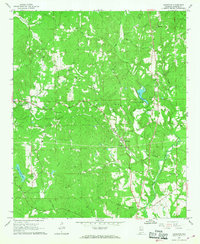 1967 Bankston1968 Print · USGSFayette County's rural heartland during the late sixties is centered on the railroad community of Bankston. Genealogists can trace local roots through numerous landmarks like Philadelphia Cem, Piney Grove Ch, and Woods Cem.2 unique versions available
 - 1967 Map of Winfield SE, 1968 Print
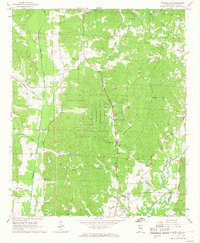 1967 Winfield SE1968 Print · USGSFayette County in the late sixties remains a landscape of forest and creek-side settlements. Researchers can trace family history through a high density of country landmarks like Housh Chapel Ch, Unity Ch, and the Fowler Cem.
 - 1967 Map of Newtonville, 1968 Print
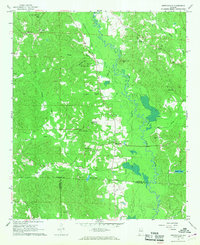 1967 Newtonville1968 Print · USGSThe rural borderlands of Fayette and Tuscaloosa counties are captured here in the late sixties, centered on the community of Newtonville. Genealogists can trace family landmarks and burial sites like Brotherton Cemetery and Gravlee Cemetery or locate the Newtonville School.3 unique versions available
 - 1967 Map of Kennedy, 1968 Print
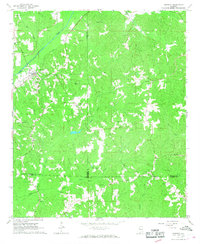 1967 Kennedy1968 Print · USGSKennedy and the rural borderlands of Lamar, Fayette, and Pickens Counties are captured here in the late sixties as the SOUTHERN railroad still linked these upland communities. Genealogists can locate family landmarks like Moore Cem and Owens Cem or trace rural congregations at Wesley Chapel and Ashcraft Ch.2 unique versions available
 - 1967 Map of Hubbertville, 1968 Print
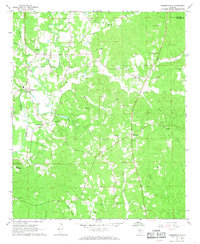 1967 Hubbertville1968 Print · USGSNorthwest Alabama's rural hill country comes into focus in the late sixties as the Sipsey River winds through Fayette and Walker Counties. Genealogists and local historians can trace family sites like Killingsworth Ch Cem, Tidwell Chapel, and Hubbertville.2 unique versions available
 - 1967 Map of Glen Allen, 1968 Print
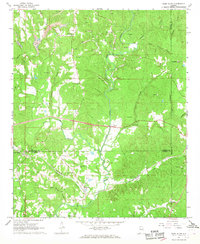 1967 Glen Allen1968 Print · USGSNorthwest Alabama's coal and rail corridor comes to life in the late 1960s, showing the intersection of heavy industry and rural community life. Genealogists can trace family roots through landmarks like Hallmark Cem, Piney Grove Ch, and the settlement of Rock City.3 unique versions available
 - 1967 Map of Bluff, 1968 Print
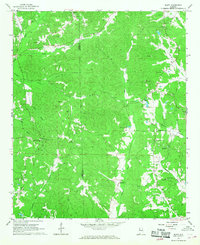 1967 Bluff1968 Print · USGSFayette and Lamar counties are seen here in the late sixties, a period when rural church life and small schoolhouses anchored these Alabama communities. Researchers can trace family history through landmarks like Bethabara Ch, Kirkland Sch, and Powell Cem.3 unique versions available
 - 1967 Map of Berry, 1968 Print
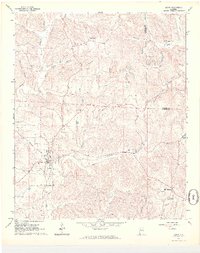 1967 Berry1968 Print · USGSBerry and the surrounding Fayette County countryside are captured here in the late sixties as the local economy balanced rail transport and industrial mining. Family historians can locate dozens of specific landmarks like Tabernacle Cem, Boley Springs Ch, and the extensive strip mines near Pea Ridge.4 unique versions available
 - 1967 Map of Fayette, 1968 Print
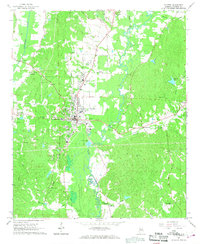 1967 Fayette1968 Print · USGSMid-century Fayette and its riverfront settlements are documented here just as the local infrastructure was modernizing. Researchers can locate family landmarks like Cains Ridge Ch, the Bankhead Cem, and the old Southern rail lines.2 unique versions available
 - 1967 Map of New Lexington, 1968 Print
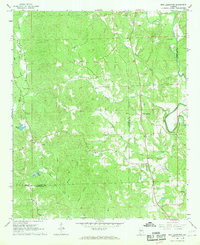 1967 New Lexington1968 Print · USGSThe borderlands of Fayette and Tuscaloosa Counties are mapped here in the late sixties, showing a landscape defined by the North River. Genealogists can trace family footprints at New Lexington and numerous landmarks like Ethels Sch and Tucker Cem.2 unique versions available
 - 1967 Map of Winfield, 1968 Print
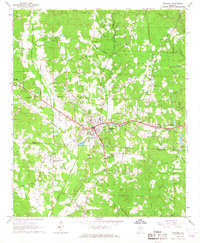 1967 Winfield1968 Print · USGSMarion and Fayette counties are shown here in the late sixties as the town of Winfield expands along the railroad. Local researchers can trace family landmarks like Musgrove Chapel, the Drive-in Theater, and the old mining Airshaft.3 unique versions available
 - 1967 Map of Howard, 1968 Print
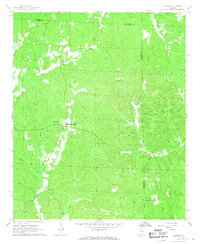 1967 Howard1968 Print · USGSThe Fayette and Walker county line comes to life in the late sixties, showing a landscape of ridge-top settlements and creek-side hollows. Genealogists and local historians can trace family locations through numerous sites like Studdards Crossroads, Files Cem, and McDade Ch.3 unique versions available
 - 1967 Map of Guin, 1968 Print
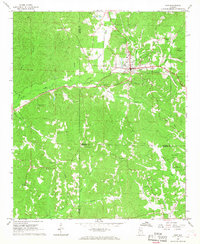 1967 Guin1968 Print · USGSMarion County hill country centers on the town of Guin during the late sixties as the local economy balances rail transport and gravel mining. Researchers can trace rural lineages through numerous sites like Mount Olive Cem, Love Joy Ch, and Piney Grove Ch.
 - 1967 Map of Belk, 1968 Print
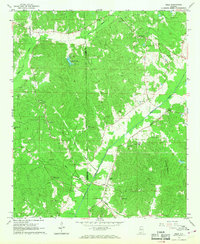 1967 Belk1968 Print · USGSFayette County's rural landscape is captured here in the late sixties as the rail-and-river economy centered on Belk and Covin remained vital. Family historians can locate specific community landmarks like Sudduth Cem, Wesley Chapel, and Covin Sch New Friendship Ch.
 - 1967 Map of Berry SE, 1968 Print
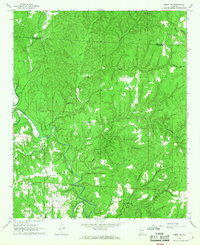 1967 Berry SE1968 Print · USGSThe Fayette and Tuscaloosa county line follows the winding course of the North River during the late sixties. Genealogists and local historians can trace family ties through rural landmarks like Gorgas Sch, Sulphur Springs Ch, and the Willingham Cem.4 unique versions available
End of results
Showing maps 1-15 of 15
Top cities of Fayette County
Frequently asked questions
- What are the different types of historical maps available for Fayette County?
- What is the oldest map of Fayette County?
- Where can I purchase historical maps of Fayette County for my home or office?
- Where can I download high-res historical maps of Fayette County?
- Are there historical topographic maps available for Fayette County?
- Is there historical aerial imagery available for Fayette County?
- Where are historical maps of Fayette County sourced from?