Old Maps of Coffee Springs, Alabama for Hiking & Exploration
Hike through history with 12 historic maps of Coffee Springs. Explore old trails, ghost towns, and forgotten backroads — perfect for outdoor adventurers and local explorers.
- Rediscover forgotten places: Map out old mining camps, roads, and footpaths that no longer exist on modern maps.
- Layer with modern tools: Combine with LiDAR or satellite views to plan hikes through historical terrain.
- Made for exploration: Popular among hikers, overlanders, and local history lovers.
Use these maps to find adventure and explore the hidden past of Coffee Springs.
Coffee Springs, AL maps
(12)- 1942 Map of Enterprise
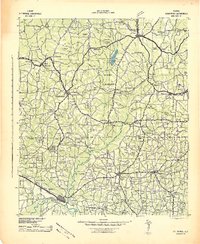 1942 Enterprise1942 Print · USGSSoutheast Alabama is shown at a wartime turning point, just as Camp Rucker was established. Family historians can trace hundreds of rural landmarks, from Oak Grove Ch & Sch to the New Prospect Ch.
 - 1953 Map of Dothan, 1966 Print
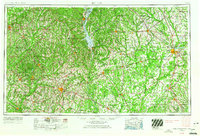 1953 Dothan1966 Print · USGSSoutheast Alabama and Southwest Georgia are captured during a period of massive hydraulic and military expansion in the mid-fifties. Genealogists and historians can trace rural landmarks like Antioch Church and School, the Andrew Jackson Monument, and the early footprint of Fort Rucker Military Reservation.3 unique versions available
 - 1954 Map of Dothan
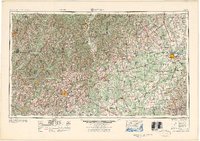 1954 Dothan1954 Print · USGSSoutheast Alabama and Southwest Georgia are seen here in the mid-fifties, during a decade of military expansion and rural transition. Genealogists can trace the location of country schools like Little Zion School or the grounds of Kolomoki Mounds State Park.
 - 1955 Map of Dothan
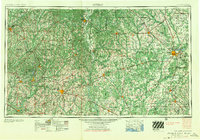 1955 Dothan1955 Print · USGSSoutheast Alabama and Southwest Georgia are captured here in the mid-fifties, showing a landscape of river-port history and growing military bases. Researchers can trace rural life via the Andrew Jackson Monument, Bauxite mines, and the Central of Georgia RR.
 - 1957 Map of Geneva, 1958 Print
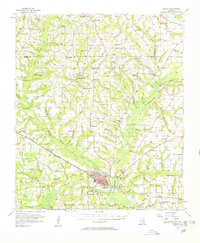 1957 Geneva1958 Print · USGSGeneva and its surrounding river valleys come into focus in the late 1950s, showing a landscape defined by the Choctawhatchee River and rural industry. Genealogists and local historians can trace family-named sites like McDuffie Cem, Vanlandingham Mill, and the Consolation Cem.2 unique versions available
 - 1957 Map of Coffee Springs, 1959 Print
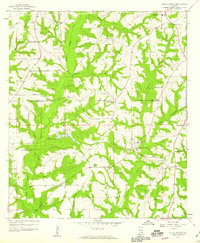 1957 Coffee Springs1959 Print · USGSCoffee Springs and the surrounding Wiregrass countryside appear here in the late fifties, showing a rural landscape shaped by winding creeks and country crossroads. Researchers can locate family landmarks like Mt Pleasant Sch, Moore Cem, and the community at Central City.3 unique versions available
 - 1981 Map of Dothan, 1982 Print
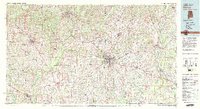 1981 Dothan1982 Print · USGSSoutheast Alabama and the tri-state border region are shown here in the early 1980s as the area thrived on military and rail connectivity. Researchers can trace historic transit lines like the Hartford and Slocomb railroad or locate family roots in Ozark, Headland, and Geneva.
 - 2011 Map of Coffee Springs, 2011 Print
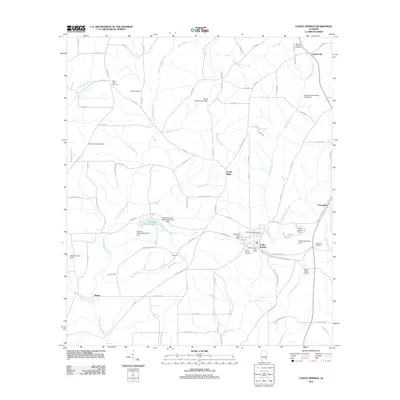 2011 Coffee Springs2011 Print · USGSGeneva County at the start of the 2010s reveals a landscape of quiet rural settlements and ancestral burial grounds. Genealogists can trace family connections at Marvin Chapel Cemetery, Moore Cemetery, and Coffee Springs.
 - 2014 Map of Coffee Springs, 2014 Print
 2014 Coffee Springs2014 Print · USGSCoffee Springs and the surrounding Geneva County countryside are shown here at the start of the twenty-first century. Researchers can locate many family-named landmarks and rural burial grounds, such as Marvin Chapel Cem, Spears, and Edwin Averett Lake.
 - 2018 Map of Coffee Springs, 2018 Print
 2018 Coffee Springs2018 Print · USGSThe northern edge of the Alabama Wiregrass comes into focus in the late 2010s, centered on the community of Coffee Springs. Genealogists can trace numerous rural burial sites like Marvin Chapel Cem and Mount Carmel Cem along the waters of Double Bridges Creek.
 - 2020 Map of Coffee Springs, 2020 Print
 2020 Coffee Springs2020 Print · USGSGeneva and Coffee counties are depicted in this contemporary survey of the Alabama Wiregrass region. Researchers can trace family history through numerous rural burial grounds like Marvin Chapel Cem and local landmarks such as Geneva County Lake.
 - 2024 Map of Coffee Springs, 2024 Print
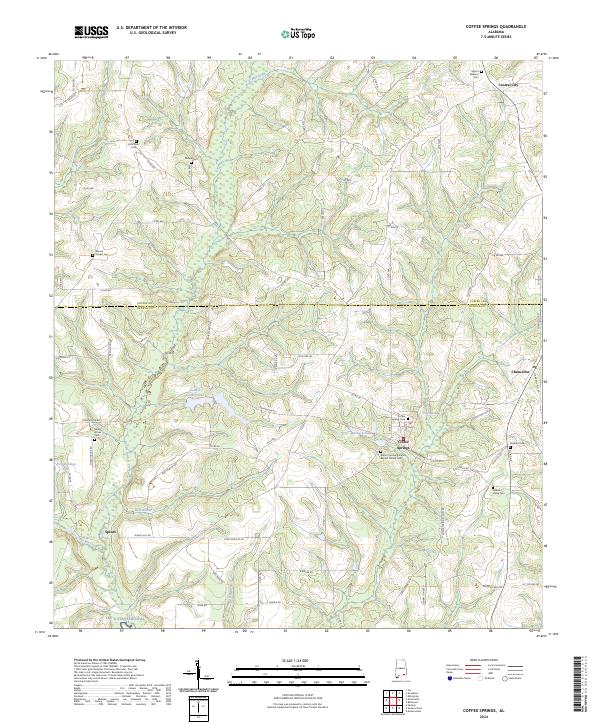 2024 Coffee Springs2024 Print · USGSThe rural Wiregrass region of southeastern Alabama comes into focus in this contemporary survey of the Coffee and Geneva county line. Genealogists can trace family footprints across several historic sites including Mount Carmel Primitive Baptist Church Cem, Spears, and Geneva County Lake.
End of results
Showing maps 1-12 of 12
Top cities near Coffee Springs
- Enterprise historical maps
- Ozark historical maps
- Daleville historical maps
- Geneva historical maps
- Elba historical maps
- Hartford historical maps
See more
Frequently asked questions
- What are the different types of historical maps available for Coffee Springs?
- What is the oldest map of Coffee Springs?
- Where can I purchase historical maps of Coffee Springs for my home or office?
- Where can I download high-res historical maps of Coffee Springs?
- Are there historical topographic maps available for Coffee Springs?
- Is there historical aerial imagery available for Coffee Springs?
- Where are historical maps of Coffee Springs sourced from?