Old Maps of Motts, Alabama for Hiking & Exploration
Hike through history with 12 historic maps of Motts. Explore old trails, ghost towns, and forgotten backroads — perfect for outdoor adventurers and local explorers.
- Rediscover forgotten places: Map out old mining camps, roads, and footpaths that no longer exist on modern maps.
- Layer with modern tools: Combine with LiDAR or satellite views to plan hikes through historical terrain.
- Made for exploration: Popular among hikers, overlanders, and local history lovers.
Use these maps to find adventure and explore the hidden past of Motts.
Motts, AL maps
(12)- 1907 Map of Opelika, 1963 Print
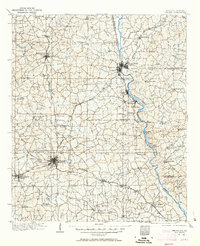 1907 Opelika1963 Print · USGSEastern Alabama and western Georgia come alive in this early 1900s survey of the rail-and-river economy. Genealogists can trace family names at Mitchell Crossroads, find rural landmarks like the Poor Farm, and locate historic river crossings like Dixon Ferry.
 - 1909 Map of Opelika
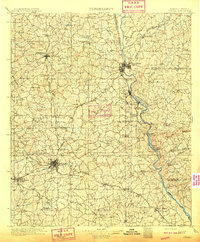 1909 Opelika1909 Print · USGSEastern Alabama and western Georgia are seen here in the first decade of the twentieth century as the river-and-rail economy reached its peak. Genealogists and historians can trace old river crossings like Blanton Ferry, rural post offices such as Antioch Church Huckabee P O, and the path of the Chattahoochee Valley railroad.4 unique versions available
 - 1955 Map of Phenix City, 1964 Print
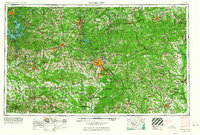 1955 Phenix City1964 Print · USGSPost-war Alabama and Georgia meet along the Chattahoochee River as industry and military installations expand. Trace the rail lines of the Central of Georgia through towns like Opelika, Tuskegee, and Alexander City.3 unique versions available
 - 1957 Map of Phenix City
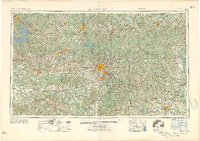 1957 Phenix City1957 Print · USGSThe Alabama-Georgia borderlands are captured here in the mid-fifties, centered on the bustling river crossing at Phenix City and Columbus. Researchers can trace the mid-century footprint of the Fort Benning Military Reservation or locate smaller textile and railroad towns like Langdale and Camp Hill.
 - 1958 Map of Phenix City
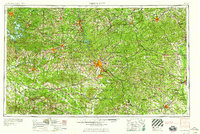 1958 Phenix City1958 Print · USGSThe Alabama-Georgia borderlands thrive during the late fifties, anchored by the river-driven industry of Columbus and Phenix City. Researchers can trace the mid-century footprints of Fort Benning, Auburn, and the textile towns of Fairfax and Lanett.
 - 1965 Map of Bleecker, 1966 Print
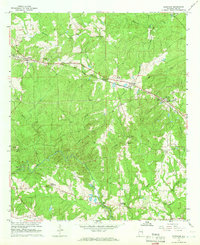 1965 Bleecker1966 Print · USGSEast of Opelika in the mid-sixties, this area shows a landscape of creek-side industry and quiet rural crossroads. Genealogists and historians can locate the Covered Bridge, Moffits Mill, and several community anchors like New Hope Ch and Stroud Cem.3 unique versions available
 - 1981 Map of Opelika, 1982 Print
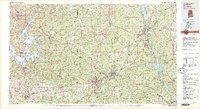 1981 Opelika1982 Print · USGSEast Alabama and West Georgia appear in the early 1980s as a region defined by massive river reservoirs and the storied textile corridor. Genealogists can trace family roots through the valley towns of Lanett and Fairfax or locate sites near Horseshoe Bend National Military Park.
 - 2011 Map of Bleecker, 2011 Print
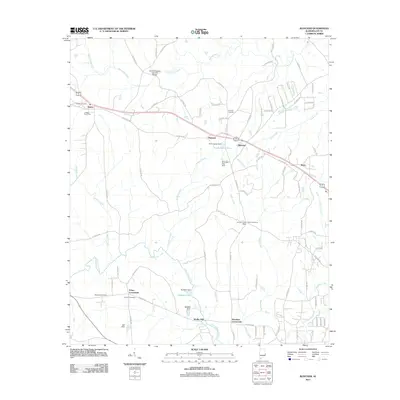 2011 Bleecker2011 Print · USGSLee County's rural road networks and creek crossings are captured here in the early twenty-first century. Researchers can trace family history through sites like Salem Cemetery and Concord Cemetery or locate the landmark Salem-Shotwell Covered Bridge.
 - 2014 Map of Bleecker, 2014 Print
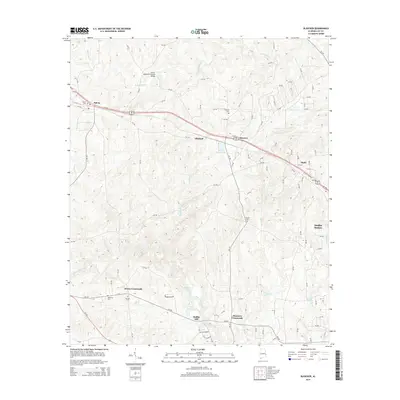 2014 Bleecker2014 Print · USGSEastern Alabama in the early twenty-first century is defined by rural crossroads and historic crossings. Researchers can trace family history through sites like Antioch Cem or locate industrial heritage at Moffits Mill and the Salem-Shotwell-Covered Bridge.
 - 2018 Map of Bleecker, 2018 Print
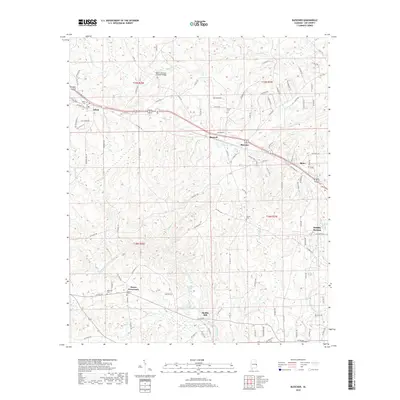 2018 Bleecker2018 Print · USGSLee County as it appeared in the late 2010s reveals a rural landscape anchored by small crossroads and watercourses. Genealogists can trace family sites at Salem Cem and Concord Cem, or locate landmarks like the Salem-Shotwell Covered Bridge.
 - 2020 Map of Bleecker, 2020 Print
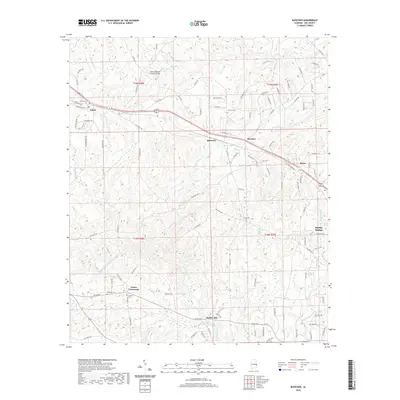 2020 Bleecker2020 Print · USGSLee County near the Georgia border is shown here in the modern era as a landscape of rural crossroads and historical landmarks. Researchers can trace the locations of the Salem-Shotwell Covered Bridge, Moffits Mill, and several family cemeteries like Stroud Cem.
 - 2024 Map of Bleecker, 2024 Print
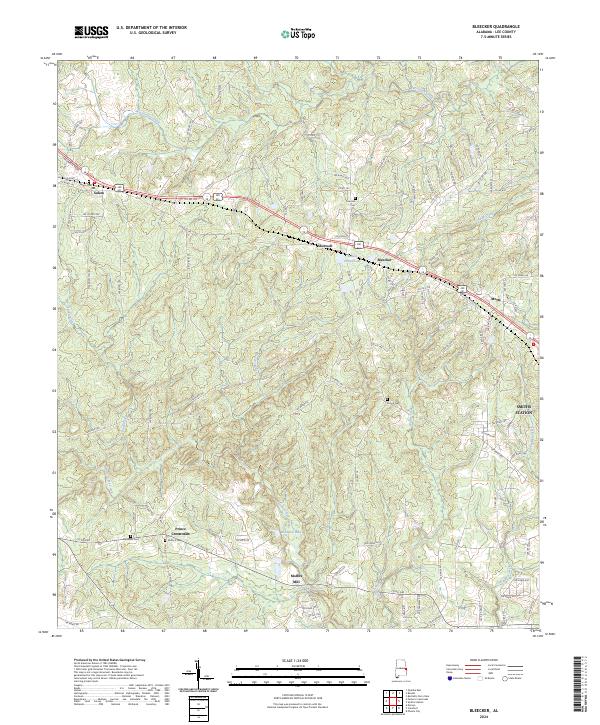 2024 Bleecker2024 Print · USGSThe rural roads and creek valleys of Lee County come alive in this survey of the Alabama-Georgia borderlands. Genealogists can trace family histories through numerous local burial grounds like Salem Cem and Antioch Cem, or locate landmarks like Moffits Mill.
End of results
Showing maps 1-12 of 12
Top cities near Motts
- Columbus historical maps
- Phenix City historical maps
- Opelika historical maps
- Valley historical maps
- Lanett historical maps
- Smiths Station historical maps
See more
Frequently asked questions
- What are the different types of historical maps available for Motts?
- What is the oldest map of Motts?
- Where can I purchase historical maps of Motts for my home or office?
- Where can I download high-res historical maps of Motts?
- Are there historical topographic maps available for Motts?
- Is there historical aerial imagery available for Motts?
- Where are historical maps of Motts sourced from?