Old Maps of Wolf Hole, Arizona for Genealogy
Trace your family roots with 13 historic maps of Wolf Hole. These high-res maps reveal old neighborhoods, homesites, landmarks, and streets — helping you uncover where your ancestors lived and how the area evolved over time.
- Explore historic neighborhoods: Identify where your relatives may have lived in the 1800s or 1900s.
- Compare maps over time: Trace the changes in streets, buildings, and landmarks for multi-generational research.
- Perfect for genealogy & ancestry research: Used by family historians and researchers to map out lineage and migration.
These maps are an incredible resource for exploring your personal connection to Wolf Hole's past.
Wolf Hole, AZ maps
(13)- 1886 Map of Mt. Trumbull
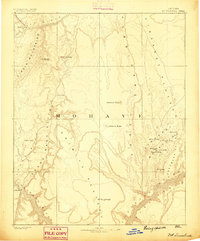 1886 Mt. Trumbull1886 Print · USGSMohave County in the late nineteenth century was a territory of extreme verticality and scarce water. Historians can trace early routes through the Arizona Strip via vital water stops like Pierce Ferry, Witches Pool, and Pakoon Spring.
 - 1892 Map of Mt. Trumbull
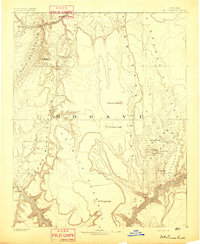 1892 Mt. Trumbull1892 Print · USGSNorthwestern Arizona in the late nineteenth century was a frontier of isolated springs and massive plateaus. You can trace early routes across the Colorado River at Pierce Ferry and locate vital water at Pakoon Spring or Witch Pool.6 unique versions available
 - 1953 Map of Grand Canyon, 1967 Print
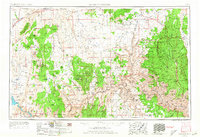 1953 Grand Canyon1967 Print · USGSArizona's northern frontier is captured here in the mid-twentieth century, from the high plateaus to the desert basins. Trace early routes like Arizona 67, explore the isolated Moccasin settlement, or locate early landmarks such as Mount Trumbull.3 unique versions available
 - 1957 Map of Grand Canyon
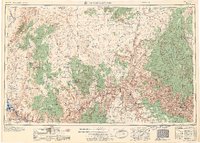 1957 Grand Canyon1957 Print · USGSNorthern Arizona in the mid-fifties presents a sparsely settled expanse of high plateaus and ranching outposts surrounding the great canyon. Genealogists and historians can trace family land at Diamond Butte Ranch, locate the Moccasin settlement, or study the magnesium works at Black Diamond Mine.
 - 1958 Map of Grand Canyon
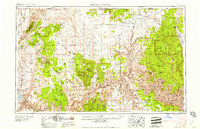 1958 Grand Canyon1958 Print · USGSNorthern Arizona in the late fifties was a landscape of remote cattle ranches and timber operations spanning from the Virgin Mountains to the Kaibab Forest. Researchers can locate family outposts like Bundy Ranch, trace the Temple Trail, or find the Parashant Lumber Mill.
 - 1960 Map of Grand Canyon
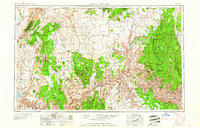 1960 Grand Canyon1960 Print · USGSThe Arizona strip and the Colorado River corridor appear in the 1950s as a vast network of isolated plateaus and remote outposts. Researchers can trace historic ranching and tribal lands including Supai, the Kaibab Indian Reservation, and the Mt Trumbull Post Office.
 - 1979 Map of Wolf Hole Mtn. East
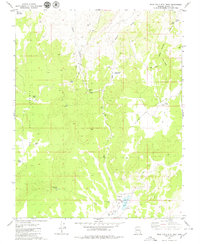 1979 Wolf Hole Mtn. East1979 Print · USGSThe Arizona Strip in the late seventies was a world of remote cattle camps and high desert plateaus. Researchers can trace the ranching history of the region through the Wolf Hole (Site), the waters of Wolf Hole Lake, and the numerous corrals scattered along Jeep Trails.
 - 1987 Map of Littlefield, 1988 Print
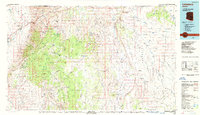 1987 Littlefield1988 Print · USGSNorthwestern Arizona’s high desert comes into focus in the late eighties, showing the remote ranching and mining country along the Utah border. Researchers can trace the path of the Virgin River and locate vital water sites like Wolf Hole Lake, Mormon Well, and the Hidden Mines.2 unique versions available
 - 2011 Map of Wolf Hole Mountain East, 2011 Print
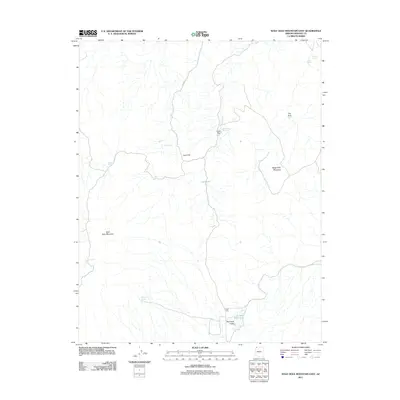 2011 Wolf Hole Mountain East2011 Print · USGSThe remote Arizona Strip of the early twenty-first century is captured here, centered on the small settlement of Wolf Hole. Researchers can trace the essential water network of the desert, from the shores of Wolf Hole Lake to remote outposts like Quail Spring and Canyon Spring.
 - 2014 Map of Wolf Hole Mountain East, 2014 Print
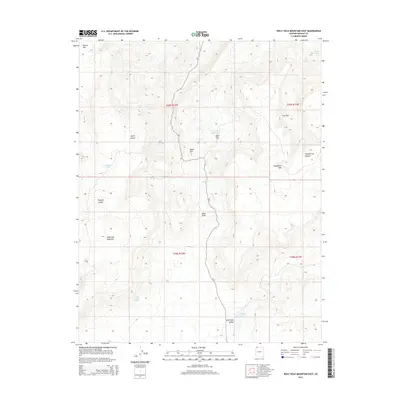 2014 Wolf Hole Mountain East2014 Print · USGSThe high desert plateau of Mohave County is shown in detail during the early twenty-first century. Researchers can trace the essential water and ranching network of the era, from the namesake Wolf Hole Spring and Wolf Hole Lake to Quail Draw Reservoir.
 - 2018 Map of Wolf Hole Mountain East, 2018 Print
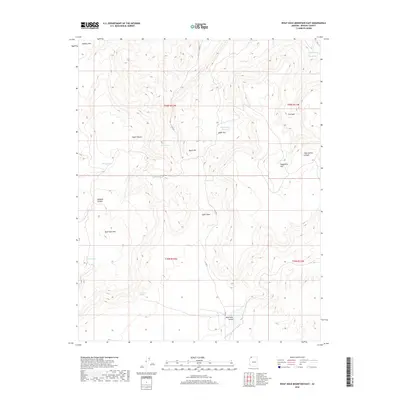 2018 Wolf Hole Mountain East2018 Print · USGSMohave County's high desert reaches are captured here in the late 2010s, showing the vital water infrastructure of the Arizona Strip. Genealogists and researchers can trace the ranching history of the area through landmarks like Wolf Hole Spring, Quail Draw Reservoir, and Wolf Hole Valley.
 - 2021 Map of Wolf Hole Mountain East, 2021 Print
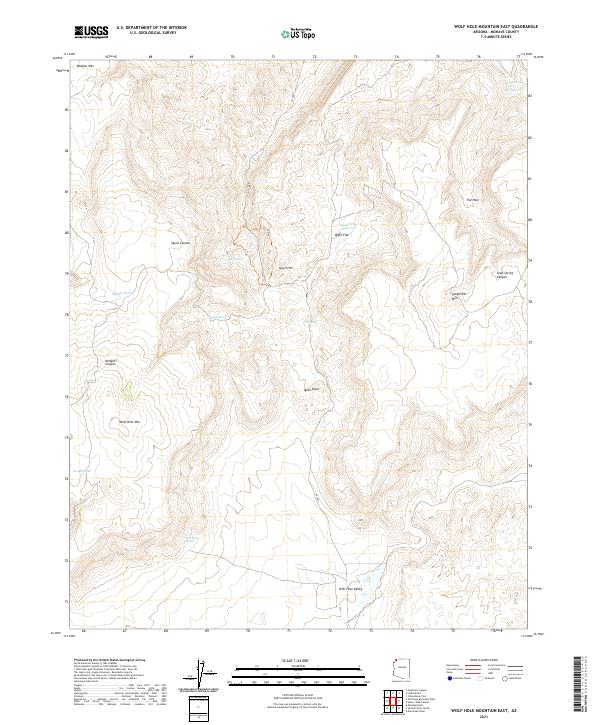 2021 Wolf Hole Mountain East2021 Print · USGSThe Arizona Strip in the early twenty-first century remains a landscape of isolated peaks and critical water points. Researchers can trace historical routes and ranching infrastructure through features like Wolf Hole Spring, Quail Draw Reservoir, and Mokaac Mtn.
 - 2026 Map of Wolf Hole Mountain East, 2026 Print
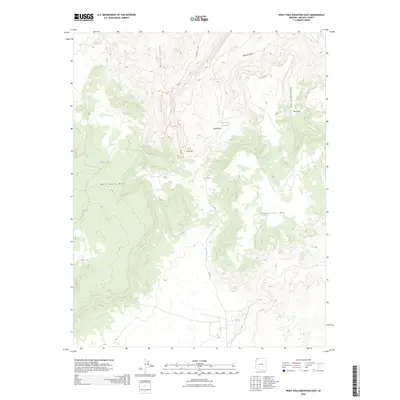 2026 Wolf Hole Mountain East2026 Print · USGSCovers Wolf Hole, including Mohave County, United States, and other nearby areas
End of results
Showing maps 1-13 of 13
Frequently asked questions
- What are the different types of historical maps available for Wolf Hole?
- What is the oldest map of Wolf Hole?
- Where can I purchase historical maps of Wolf Hole for my home or office?
- Where can I download high-res historical maps of Wolf Hole?
- Are there historical topographic maps available for Wolf Hole?
- Is there historical aerial imagery available for Wolf Hole?
- Where are historical maps of Wolf Hole sourced from?