Old Maps of Vaya Chin, Hickiwan for Academic Research
Study the evolution of Vaya Chin with 16 high-resolution historic maps. Whether you're teaching, researching, or modeling changes in land use, these maps provide essential visual documentation of urban, environmental, and geographic change.
- Analyze long-term change: Track patterns in development, transportation, and natural features.
- Ideal for environmental or urban studies: Support academic projects with primary historical map data.
- Use in the classroom or lab: Educators and researchers rely on these maps to bring historical context to life.
These maps are a powerful tool for teaching, research, and visualizing how Vaya Chin has changed over the decades.
Vaya Chin, Hickiwan maps
(16)- 1953 Map of Ajo, 1971 Print
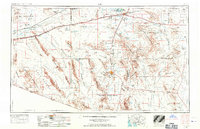 1953 Ajo1971 Print · USGSThe Arizona desert at mid-century reveals a landscape of massive copper mines, tribal reservations, and military testing grounds. Genealogists and historians can trace rail stopovers like Dateland and Mohawk or locate remote sites like the Reward Mine and Gu Achi (Santa Rosa).2 unique versions available
 - 1957 Map of Ajo
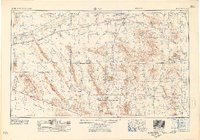 1957 Ajo1957 Print · USGSSouthern Arizona in the fifties reveals a landscape of massive copper mines, remote desert wells, and tribal reservations. Genealogists and historians can trace old cattle outposts like Whitewing Ranch, the Tracy's Trading Post, and the copper works at Ajo.
 - 1958 Map of Ajo
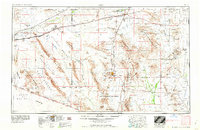 1958 Ajo1958 Print · USGSThe high desert of Pima and Yuma Counties during the late fifties shows a landscape of remote copper mines and military flight paths. Researchers can trace the Southern Pacific Railroad through Gila Bend and find heritage sites like O'Neills Grave or the Christmas Gift Mine.2 unique versions available
 - 1962 Map of Ajo
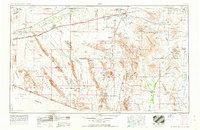 1962 Ajo1962 Print · USGSSouthern Arizona in the early sixties was a landscape of deep-desert mining, military airfields, and tribal lands. Researchers can trace the Cornelia Mine near Ajo, remote outposts like Trays Trading Post, and the path of the Devils Highway.
 - 1963 Map of Ajo
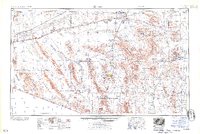 1963 Ajo1963 Print · USGSSouthwestern Arizona in the early sixties reveals a landscape of desert ranches and remote mining outposts. Trace the historic Southern Pacific line or locate isolated landmarks like O'Neils Grave and Tracy's Trading Post.
 - 1963 Map of Cimarron Peak, 1964 Print
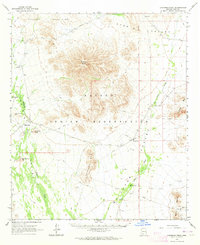 1963 Cimarron Peak1964 Print · USGSThe Papago Indian Reservation in the early sixties remains a landscape of isolated peaks and desert washes. Genealogists and researchers can trace local landmarks like Hickiwan, the Cem at Tatria Toak, and the remote Window Mtn Well.
 - 1967 Map of Ajo
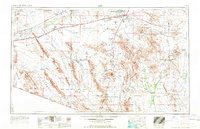 1967 Ajo1967 Print · USGSSouthern Arizona in the mid-1960s is depicted here as a landscape of military aviation and deep-desert ranching. Trace the historical mining operations at Vekol Mine or follow the Southern Pacific rail line through Gila Bend and Dateland.
 - 1980 Map of Ajo, 1996 Print
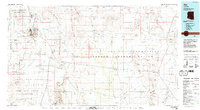 1980 Ajo1996 Print · USGSIn the Sonoran Desert during the early 1980s, mining operations and tribal lands shaped the landscape of Pima County. Researchers can trace the development of Ajo and Why, locate desert outposts like San Simon Well, and identify old workings at the Bluebird Mine.
 - 1982 Map of Ajo
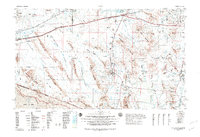 1982 Ajo1982 Print · USGSThe Arizona-Sonora borderlands come into focus in the early eighties, showcasing a landscape of desert mining towns and expansive tribal lands. Trace the Southern Pacific rail line through Gila Bend or explore the remote settlements of Ajo and Lukeville.
 - 1990 Map of Vaya Chin, 1991 Print
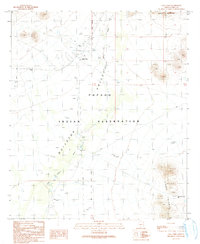 1990 Vaya Chin1991 Print · USGSThe Papago Indian Reservation in the early nineties reveals a landscape of desert survival and meticulous water management. Researchers can trace the layout of Vaya Chin, find the local Cem, and locate ranching infrastructure like the Corral and numerous Check Dams.
 - 1996 Map of Vaya Chin, 2001 Print
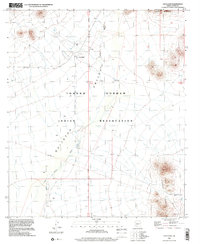 1996 Vaya Chin2001 Print · USGSIn the late nineties, the Tohono O'odham Indian Reservation maintained a quiet ranching presence in the Arizona desert. Genealogists and researchers can trace local landmarks like Vaya Chin, the nearby Cem, and isolated desert outposts such as Window Mountain Well.
 - 2011 Map of Vaya Chin, 2011 Print
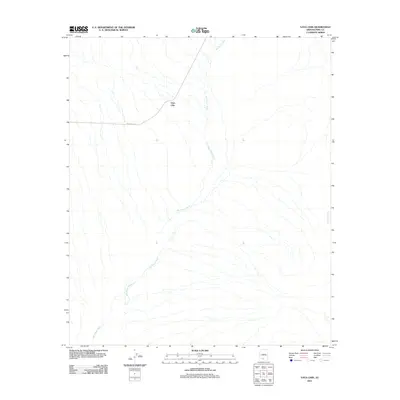 2011 Vaya Chin2011 Print · USGSThe settlement of Vaya Chin and its surrounding desert landscape are captured here in the early twenty-first century. Genealogists and researchers can trace the course of San Simon Wash and follow Indian Rte-34 through this remote corner of Pima County.
 - 2014 Map of Vaya Chin, 2014 Print
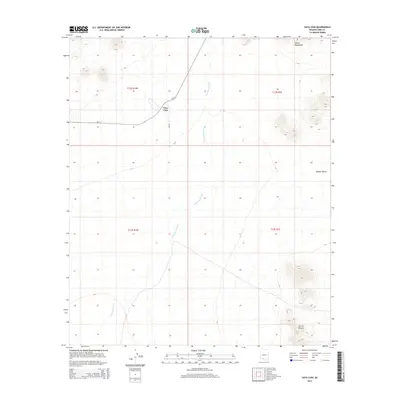 2014 Vaya Chin2014 Print · USGSVaya Chin and the surrounding desert of Pima County are captured here in the early twenty-first century. Researchers can trace the path of San Simon Wash and locate the crossroads at Vaya Chin near the Castle Mountains.
 - 2018 Map of Vaya Chin, 2018 Print
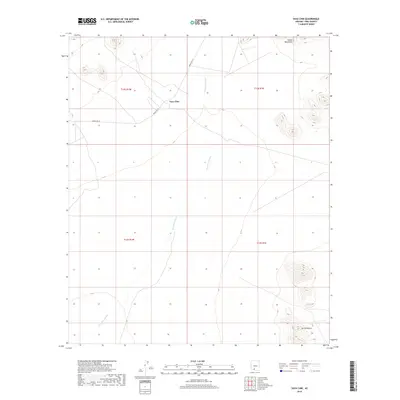 2018 Vaya Chin2018 Print · USGSVaya Chin and the surrounding Sonoran Desert are captured here in the late twenty-tens, showing a landscape defined by seasonal watercourses and tribal routes. Researchers can trace the path of Indian Rte 34 as it nears the San Simon Wash or locate the peaks of Sierra Blanca.
 - 2021 Map of Vaya Chin, 2021 Print
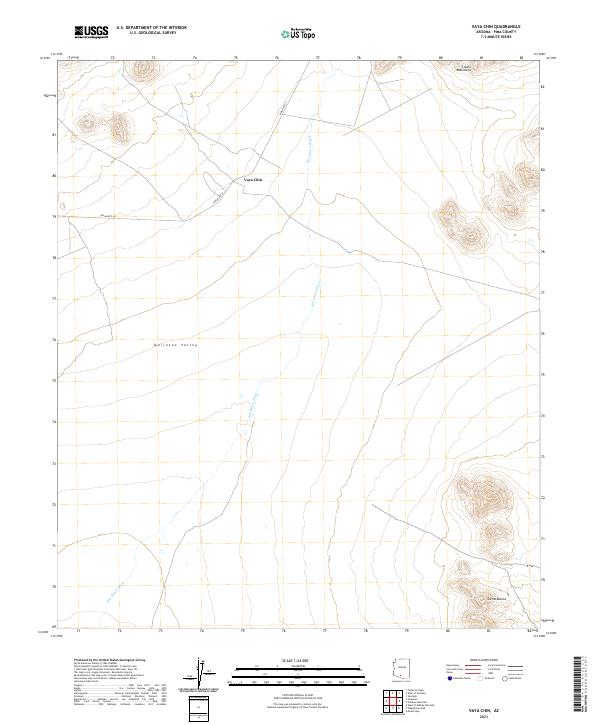 2021 Vaya Chin2021 Print · USGSVaya Chin and the Tohono O'odham landscape appear here in the early 2020s as a desert network centered on the Quijotoa Valley. Local historians can trace the course of San Simon Wash and find landmarks like Sierra Blanca and the Castle Mountains.
 - 2026 Map of Vaya Chin, 2026 Print
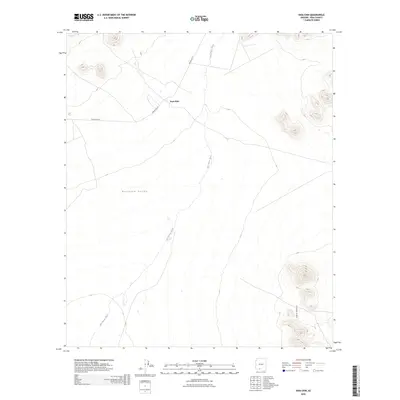 2026 Vaya Chin2026 Print · USGSCovers Vaya Chin, including Hickiwan, Pisinemo District, and other nearby areas
End of results
Showing maps 1-16 of 16
Frequently asked questions
- What are the different types of historical maps available for Vaya Chin?
- What is the oldest map of Vaya Chin?
- Where can I purchase historical maps of Vaya Chin for my home or office?
- Where can I download high-res historical maps of Vaya Chin?
- Are there historical topographic maps available for Vaya Chin?
- Is there historical aerial imagery available for Vaya Chin?
- Where are historical maps of Vaya Chin sourced from?