Old Maps of Cleveland County, Arkansas for Genealogy
Trace your family roots with 138 historic maps of Cleveland County. These high-res maps reveal old neighborhoods, homesites, landmarks, and streets — helping you uncover where your ancestors lived and how the area evolved over time.
- Explore historic neighborhoods: Identify where your relatives may have lived in the 1800s or 1900s.
- Compare maps over time: Trace the changes in streets, buildings, and landmarks for multi-generational research.
- Perfect for genealogy & ancestry research: Used by family historians and researchers to map out lineage and migration.
These maps are an incredible resource for exploring your personal connection to Cleveland County's past.
Cleveland County, AR maps
(138)- 1935 Map of Feenyville
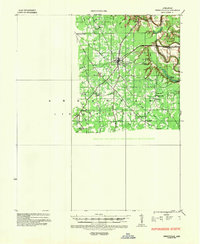 1935 Feenyville1935 Print · USGSLincoln County in the mid-1930s reveals a landscape of dispersed settlements and early Arkansas transit corridors. Genealogists and historians can locate rural landmarks like Pine Hill Sch, the ancient Indian Mounds, and the Cross Road Sta near Garnett.
 - 1935 Map of Noble Lake, 1939 Print
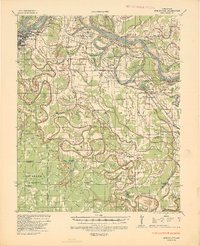 1935 Noble Lake1939 Print · USGSSoutheast of Pine Bluff in the mid-1930s, the Arkansas River delta was a landscape of fertile bottomlands and vital rail connections. Genealogists can trace rural life through dozens of local landmarks like New Gascony, Yorktown, and Sweet Home Ch.3 unique versions available
 - 1948 Map of Helena
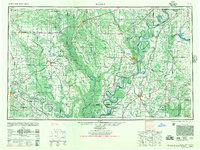 1948 Helena1948 Print · USGSEastern Arkansas and the Mississippi Delta are captured here just after the war, showing a landscape defined by its great rivers and rail lines. Genealogists can trace family locations near Bemis Plantation, Helena, and smaller rail stops like Wheatley and Moro.
 - 1950 Map of Helena
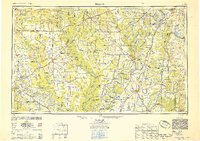 1950 Helena1950 Print · USGSMid-century Phillips County and the surrounding Delta region are shown at a peak of rail and river commerce. Genealogists and historians can trace family locations through numerous rural communities like Old Austin, Cotton Plant, and West Helena, or follow the routes of the Missouri Pacific RR across Grand Prairie.2 unique versions available
 - 1953 Map of Greenwood, 1966 Print
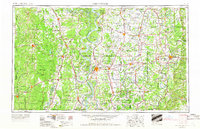 1953 Greenwood1966 Print · USGSThe Mississippi Delta in the mid-fifties is captured here as a thriving network of river towns, railroads, and oxbow lakes. Researchers can trace the legacy of the Illinois Central Railroad and locate landmarks like the State Penal Farm and Greenville Air Force Base.5 unique versions available
 - 1953 Map of El Dorado, 1967 Print
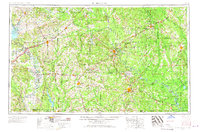 1953 El Dorado1967 Print · USGSSouth Arkansas in the mid-1960s was a landscape of industrial growth and river-fed commerce. Researchers can trace the extensive Oil and Gas Fields around Magnolia, the expansive U S Naval Ammunition Depot, and the busy rail lines of the Missouri Pacific.3 unique versions available
 - 1955 Map of Helena, 1967 Print
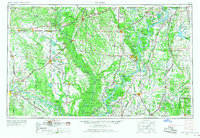 1955 Helena1967 Print · USGSThe Arkansas Delta and Mississippi floodplains are captured here in the mid-fifties, during a period of expanding flood control and rail commerce. Researchers can trace the extensive Chicago Rock Island and Pacific RR lines and locate sites like the Arkansas State College Experimental Rice Farm or Friars Point.2 unique versions available
 - 1955 Map of Little Rock, 1978 Print
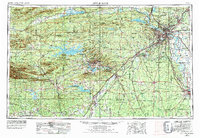 1955 Little Rock1978 Print · USGSCentral Arkansas in the mid-fifties exhibits a landscape of growing cities, massive military installations, and mountain reservoirs. Genealogists and historians can trace the industrial Bauxite Mines, regional rail lines, and local landmarks like Antioch Church.
 - 1956 Map of Little Rock
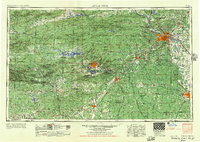 1956 Little Rock1956 Print · USGSCentral Arkansas in the mid-fifties shows a landscape defined by burgeoning military bases and the timber-and-mineral wealth of the Ouachitas. Genealogists and researchers can trace old rail lines like the Missouri Pacific and find established communities such as Bauxite, Sheridan, and Mabelvale.
 - 1956 Map of Greenwood
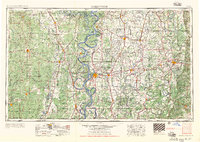 1956 Greenwood1956 Print · USGSThe Mississippi Delta in the mid-fifties is captured here during a period of significant military and agricultural activity. Researchers can trace the rail lines of the Illinois Central RR, find the Greenville Air Force Base, or locate the State Penal Farm.
 - 1957 Map of El Dorado
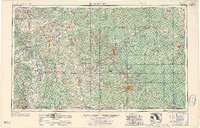 1957 El Dorado1957 Print · USGSSouth Arkansas in the mid-1950s was a critical hub of military logistics and rail-river commerce. Genealogists and historians can trace family land across the Arkansas Louisiana border and locate sites like the U.S. Naval Ammunition Depot or the rail junctions at Magnolia and Camden.
 - 1958 Map of El Dorado
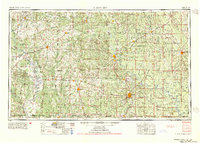 1958 El Dorado1958 Print · USGSSouthern Arkansas and the Louisiana borderlands are shown during a period of heavy rail traffic and defense industry activity. Researchers can trace the legacy of the U. S. Naval Ammunition Depot or locate family roots in Smackover, Huttig, and Nashville.3 unique versions available
 - 1959 Map of Helena
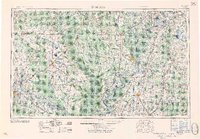 1959 Helena1959 Print · USGSThe Arkansas and Mississippi Delta regions are captured here in the late fifties, showing a landscape defined by the Mississippi River and the Grand Prairie. Genealogists and researchers can trace the rail networks of the Illinois Central RR and locate community landmarks like Helena and the White River National Wildlife Refuge.
 - 1960 Map of El Dorado
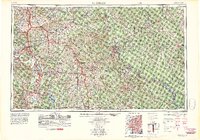 1960 El Dorado1960 Print · USGSSouth Central Arkansas in the late fifties was a hub of energy production and defense industry. Researchers can trace the extensive Oil and Gas Fields around El Dorado or locate family landmarks like Old Park Cem and New Hope Church.
 - 1960 Map of Little Rock
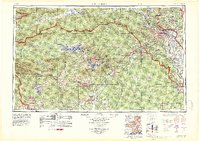 1960 Little Rock1960 Print · USGSCentral Arkansas in the late fifties shows a landscape of growing military bases and massive new reservoirs. Local historians can trace the mid-century expansion of Little Rock and Hot Springs alongside the industrial works at Bauxite and the Pine Bluff Arsenal.
 - 1960 Map of Helena
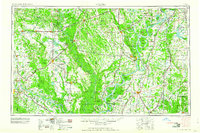 1960 Helena1960 Print · USGSThe Arkansas and Mississippi Delta regions meet along the great river bends during a period of significant agricultural and rail expansion. Genealogists and historians can trace the paths of the Missouri Pacific railroad through Clarendon or locate landings along the Mississippi River and White River.
 - 1962 Map of Faith, 1963 Print
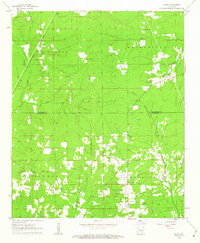 1962 Faith1963 Print · USGSThe Arkansas timberlands near the Jefferson and Cleveland county line are captured here in the early sixties. Researchers can locate family landmarks like Curl Cem and Rose Lawn Memorial Garden or trace the St Louis Southwestern rail route.3 unique versions available
 - 1962 Map of Kedron, 1963 Print
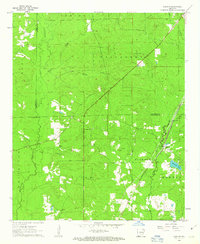 1962 Kedron1963 Print · USGSCleveland and Jefferson Counties are documented here in the early sixties, showing the rail-and-river network of rural Arkansas. Genealogists and local historians can trace family roots through sites like Piney Grove Cem, Mt Carmel Ch, and the settlement of Kedron.3 unique versions available
 - 1964 Map of Little Rock
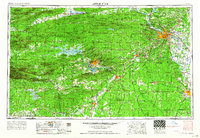 1964 Little Rock1964 Print · USGSCentral Arkansas in the mid-sixties is a landscape of mountain ridges, industrial rail lines, and growing military hubs. Researchers can trace the development of Bauxite and Hot Springs or locate rural landmarks like Sparkman and the Pine Bluff Arsenal.
 - 1964 Map of Staves, 1965 Print
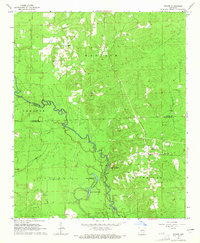 1964 Staves1965 Print · USGSThe Saline River bottoms of central Arkansas were sparsely settled but culturally rich in the early 1960s. Genealogists can trace family landmarks like Clement Cem, Bethany Ch, and the high ground at White Oak Bluff.3 unique versions available
 - 1964 Map of Bunn, 1965 Print
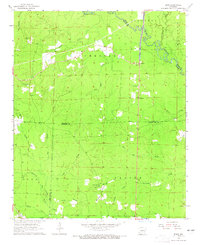 1964 Bunn1965 Print · USGSThe rural pine forests of south-central Arkansas are documented here in the early 1960s at the intersection of Dallas, Cleveland, and Grant counties. Family historians can locate several remote burial grounds and churches, including Lee Ridge Ch, Harrison Cem, and the rail stop at Bunn.3 unique versions available
 - 1964 Map of Pinebergen, 1965 Print
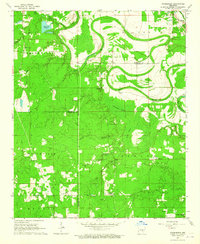 1964 Pinebergen1965 Print · USGSThe rural borders of Lincoln and Jefferson counties are captured here in the mid-1960s, showing a landscape defined by the winding Bayou Bartholomew. Family researchers can locate long-standing landmarks like New Owen Cem, Macedonia Ch, and the rural community of Griffith Springs.3 unique versions available
 - 1966 Map of Kingsland, 1967 Print
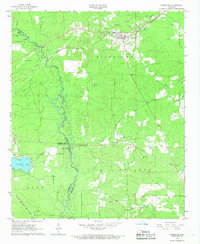 1966 Kingsland1967 Print · USGSKingsland and its surrounding timberlands are captured in the mid-1960s, a period when the river-and-rail economy still shaped south-central Arkansas. Researchers can trace family roots through several local landmarks like Kingsland Cemetery, Smith Church, and Morgan Cemetery.2 unique versions available
 - 1966 Map of Fordyce, 1967 Print
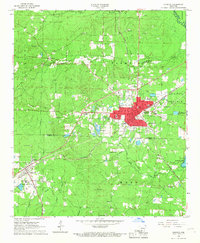 1966 Fordyce1967 Print · USGSFordyce and the surrounding Dallas County countryside are captured in the mid-sixties at a peak of rail-based commerce. Researchers can trace family sites at Oakland Cemetery or locate the rural communities of Bucksnort and Thornton.2 unique versions available
 - 1969 Map of Ivan, 1972 Print
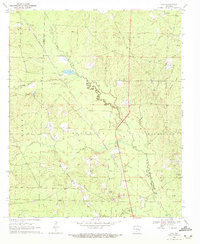 1969 Ivan1972 Print · USGSThe borderlands of Dallas and Cleveland Counties are captured here in the late sixties, centered on the communities of Ivan and Bunn. Researchers can trace the Chicago Rock Island and Pacific rail line and locate numerous family-named burial sites like Garner Cem and Tolson Cem.2 unique versions available
Showing maps 1-25 of 138
Top cities of Cleveland County
Frequently asked questions
- What are the different types of historical maps available for Cleveland County?
- What is the oldest map of Cleveland County?
- Where can I purchase historical maps of Cleveland County for my home or office?
- Where can I download high-res historical maps of Cleveland County?
- Are there historical topographic maps available for Cleveland County?
- Is there historical aerial imagery available for Cleveland County?
- Where are historical maps of Cleveland County sourced from?