Old Maps of Drew County, Arkansas
Explore 165 old maps of Drew County, spanning from 1934 to today. These high-resolution historic maps reveal how streets, neighborhoods, landmarks, and natural features evolved over time — perfect for genealogy, metal detecting, research, and local history exploration.
What you can do with these maps:
- See how Drew County changed over time: Compare historical maps to modern-day views to trace roads, homesites, rail lines & more.
- View detailed metadata: Each map includes creators, publishers, year, scale, and archive source.
- Overlay maps with satellite & LiDAR: Visualize the past alongside modern tools to explore terrain & human change.
- Trusted historical sources: Maps sourced from the USGS, Library of Congress, and other archives.
- Access maps your way: View online, download high-res files, or order prints for personal or research use.
Start exploring old maps of Drew County to uncover forgotten places, hidden landmarks, and the deep history beneath your feet.
Drew County, AR maps
(165)- 1934 Map of Ingalls
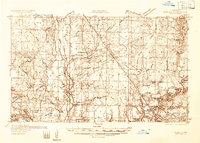 1934 Ingalls1934 Print · USGSBradley County during the mid-1930s shows a landscape of river-bottom camps and rural parish life. Researchers can trace family roots through numerous local landmarks, from Johnsville and Bogalusa Camp to country schools like Eagle Lake Sch and Broad Sch.
 - 1935 Map of Mist
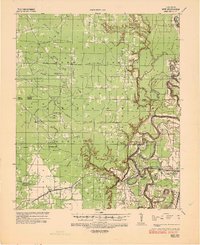 1935 Mist1935 Print · USGSSoutheastern Arkansas during the mid-1930s is revealed here as a landscape of bayous and winding timber rails. Genealogists can trace family footprints at Promised Land Ch & Sch or Grizzle Cem, and map the defunct Abandoned Logging Railroad lines.
 - 1935 Map of Feenyville
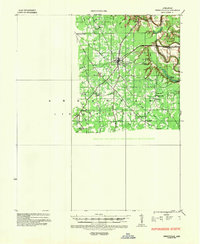 1935 Feenyville1935 Print · USGSLincoln County in the mid-1930s reveals a landscape of dispersed settlements and early Arkansas transit corridors. Genealogists and historians can locate rural landmarks like Pine Hill Sch, the ancient Indian Mounds, and the Cross Road Sta near Garnett.
 - 1935 Map of Cominto, 1936 Print
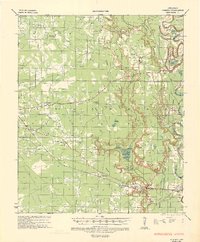 1935 Cominto1936 Print · USGSIn the mid-1930s, this pocket of Drew and Lincoln County was a landscape of timber-driven rail lines and rural community centers. Researchers can trace family roots at Old Union Ch & Sch, locate the Maben Mission, or follow the Bartholomew Bayou lowlands.3 unique versions available
 - 1935 Map of Rotan, 1942 Print
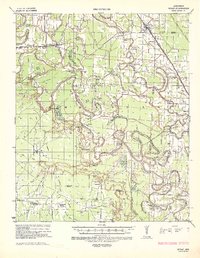 1935 Rotan1942 Print · USGSThe Arkansas delta comes to life in the mid-1930s as a complex network of timber camps, bayous, and rail towns. Genealogists can trace the rural communities of Rotan and Gould, or locate family sites at Thomas Cem and New Bethel Ch.2 unique versions available
 - 1935 Map of Red Fork, 1943 Print
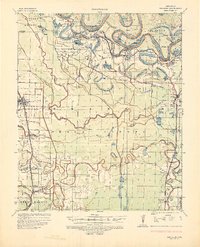 1935 Red Fork1943 Print · USGSDesha County's riverfront and rail lines are captured here in the mid-1930s, showing a landscape shaped by the Arkansas River. Researchers can trace the Missouri Pacific corridor through Dumas or locate the Indian Mound near Red Fork.3 unique versions available
 - 1936 Map of McGehee, 1937 Print
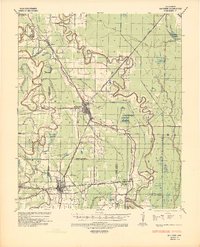 1936 McGehee1937 Print · USGSThe Arkansas Delta during the mid-thirties comes into focus through its dense network of bayous, rail junctions, and river towns. Genealogists and historians can trace the foundations of Mcgehee and Dermott, while locating rural landmarks like Loggy Bayou Church and the ancient INDIAN MOUNDS.
 - 1936 Map of Lake Village, 1949 Print
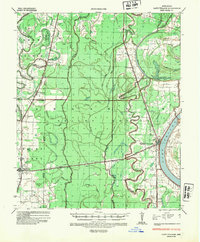 1936 Lake Village1949 Print · USGSThe Arkansas Delta in the mid-1930s is defined by its winding waterways and the rise of the Missouri Pacific railroad. Genealogists and historians can trace old settlements like Jerome, Montrose, and Hudspeth along the shores of Chicot Lake.2 unique versions available
 - 1937 Map of Ingalls
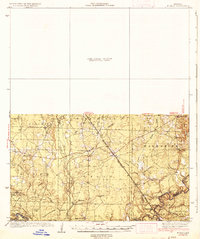 1937 Ingalls1937 Print · USGSSouth Arkansas timber and river country are mapped here in the mid-1930s as rural life centered on the Ouachita River. Researchers can locate vanished landmarks like Pine Island Landing, Thomas Sch, and the riverside Bogalusa Camp.3 unique versions available
 - 1937 Map of McGehee, 1952 Print
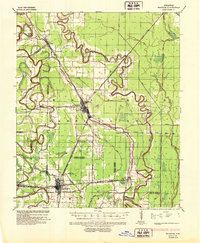 1937 McGehee1952 Print · USGSThe Arkansas Delta comes alive in the late 1930s as a complex network of bayous and rail lines. Genealogists and historians can trace the foundations of McGehee and Dermott, or locate rural landmarks like Providence Church and the Indian Mounds.
 - 1939 Map of Ingalls, 1941 Print
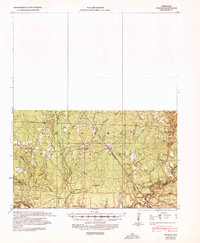 1939 Ingalls1941 Print · USGSSoutheast Arkansas in the late 1930s was a landscape of river landings and ridge-top settlements centered on the Saline River. Genealogists can trace early rural life through landmarks like Palestine Ch, Johnsville, and several family-named schoolhouses.
 - 1953 Map of Greenwood, 1966 Print
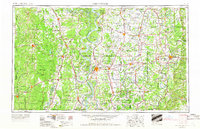 1953 Greenwood1966 Print · USGSThe Mississippi Delta in the mid-fifties is captured here as a thriving network of river towns, railroads, and oxbow lakes. Researchers can trace the legacy of the Illinois Central Railroad and locate landmarks like the State Penal Farm and Greenville Air Force Base.5 unique versions available
 - 1953 Map of El Dorado, 1967 Print
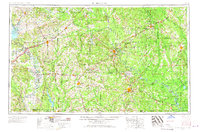 1953 El Dorado1967 Print · USGSSouth Arkansas in the mid-1960s was a landscape of industrial growth and river-fed commerce. Researchers can trace the extensive Oil and Gas Fields around Magnolia, the expansive U S Naval Ammunition Depot, and the busy rail lines of the Missouri Pacific.3 unique versions available
 - 1955 Map of Lake Village
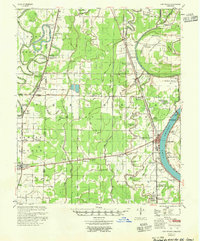 1955 Lake Village1955 Print · USGSSoutheast Arkansas in the mid-fifties reveals a Delta landscape shaped by the oxbow of Lake Chicot and the Missouri Pacific Railroad. Genealogists can trace family footprints through numerous rural sites like Holly Grove Ch & Cem and Strangers Rest Ch & Cem.2 unique versions available
 - 1955 Map of McGehee
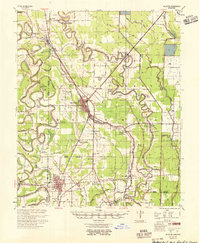 1955 McGehee1955 Print · USGSSoutheast Arkansas in the mid-fifties shows a landscape defined by the Missouri Pacific rail line and a massive network of irrigation canals. Genealogists can trace family footprints at Loggy Bayou Sch Ch & Cem, Masonville, and the Wolff Project Sch.
 - 1956 Map of Greenwood
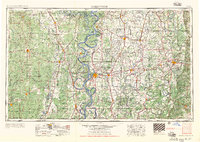 1956 Greenwood1956 Print · USGSThe Mississippi Delta in the mid-fifties is captured here during a period of significant military and agricultural activity. Researchers can trace the rail lines of the Illinois Central RR, find the Greenville Air Force Base, or locate the State Penal Farm.
 - 1957 Map of El Dorado
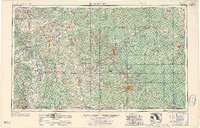 1957 El Dorado1957 Print · USGSSouth Arkansas in the mid-1950s was a critical hub of military logistics and rail-river commerce. Genealogists and historians can trace family land across the Arkansas Louisiana border and locate sites like the U.S. Naval Ammunition Depot or the rail junctions at Magnolia and Camden.
 - 1958 Map of El Dorado
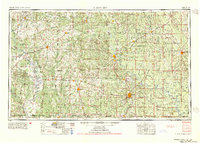 1958 El Dorado1958 Print · USGSSouthern Arkansas and the Louisiana borderlands are shown during a period of heavy rail traffic and defense industry activity. Researchers can trace the legacy of the U. S. Naval Ammunition Depot or locate family roots in Smackover, Huttig, and Nashville.3 unique versions available
 - 1960 Map of El Dorado
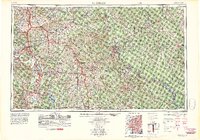 1960 El Dorado1960 Print · USGSSouth Central Arkansas in the late fifties was a hub of energy production and defense industry. Researchers can trace the extensive Oil and Gas Fields around El Dorado or locate family landmarks like Old Park Cem and New Hope Church.
 - 1960 Map of Mist, 1961 Print
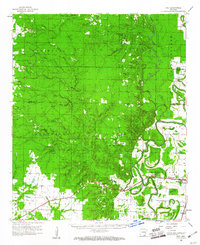 1960 Mist1961 Print · USGSSoutheast Arkansas in the early sixties was a landscape of winding bayous and rail-dependent towns like Montrose and Snyder. Genealogists can locate family-named sites such as Townsend Cem and Judking Cem along the bends of Bayou Bartholomew.2 unique versions available
 - 1960 Map of Selma, 1961 Print
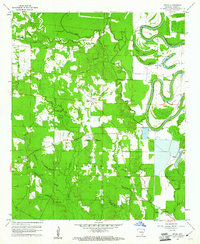 1960 Selma1961 Print · USGSIn the early sixties, the rural Arkansas landscape around Selma remained a network of family-named cemeteries and creek-side settlements. Genealogists can trace local heritage through sites like Dishongh Cem, Sweet Hope Ch, and the many brakes along Bayou Bartholomew.2 unique versions available
 - 1960 Map of Collins NW, 1961 Print
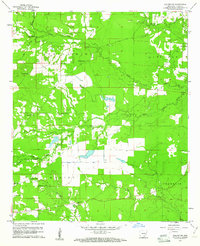 1960 Collins NW1961 Print · USGSSoutheast Arkansas in the early sixties reveals a landscape of scattered family farms and rural parish life. Researchers can trace ancestral locations through several country churches and cemeteries like Jose Chapel, Shady Grove Cem, and Zion Hill Ch.2 unique versions available
 - 1960 Map of Collins, 1961 Print
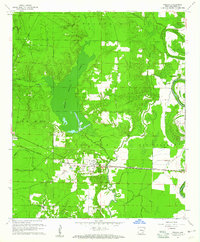 1960 Collins1961 Print · USGSSoutheast Arkansas in the early sixties was defined by the winding waters of the bayou and the vital rail link of the Missouri Pacific. Genealogists can trace family roots at Solomon Allen Cem or Little Zion Ch and locate rural homesteads near Collins and Baxter.2 unique versions available
 - 1960 Map of Collins, 1961 Print
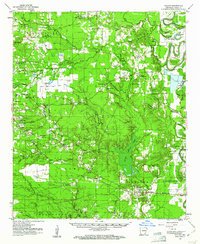 1960 Collins1961 Print · USGSIn the early sixties, the Drew County landscape was a tapestry of rail-side settlements and brake-water bayous. Researchers can trace family history through sites like Selma, the Missouri Pacific line, and cemeteries such as Dabney Cem or Mt Olive Cem.
 - 1960 Map of Line, 1961 Print
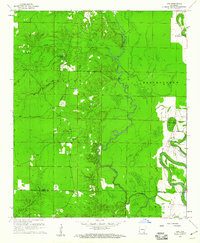 1960 Line1961 Print · USGSSoutheast Arkansas in the early sixties is captured here as a landscape of winding waterways and rural outposts. Genealogists can locate family landmarks like Roper Cem, Mt Calvary Ch, and the small settlement of Line near the county border.2 unique versions available
Showing maps 1-25 of 165
Top cities of Drew County
Frequently asked questions
- What are the different types of historical maps available for Drew County?
- What is the oldest map of Drew County?
- Where can I purchase historical maps of Drew County for my home or office?
- Where can I download high-res historical maps of Drew County?
- Are there historical topographic maps available for Drew County?
- Is there historical aerial imagery available for Drew County?
- Where are historical maps of Drew County sourced from?