Old Maps of Viola, Arkansas for Academic Research
Study the evolution of Viola with 29 high-resolution historic maps. Whether you're teaching, researching, or modeling changes in land use, these maps provide essential visual documentation of urban, environmental, and geographic change.
- Analyze long-term change: Track patterns in development, transportation, and natural features.
- Ideal for environmental or urban studies: Support academic projects with primary historical map data.
- Use in the classroom or lab: Educators and researchers rely on these maps to bring historical context to life.
These maps are a powerful tool for teaching, research, and visualizing how Viola has changed over the decades.
Viola, AR maps
(29)- 1890 Map of Mountain Home, 1954 Print
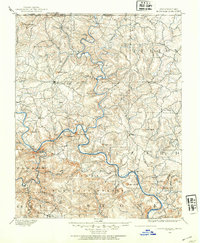 1890 Mountain Home1954 Print · USGSThe Ozark plateau in the late nineteenth century remains a rugged landscape of winding river valleys and isolated hilltop settlements. Genealogists can trace family footprints across Mountain Home, Buffalo City, and Calico Rock before modern dams reshaped the White River.
 - 1891 Map of Mountain Home
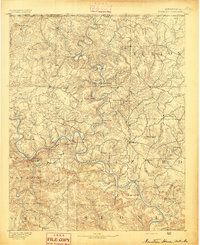 1891 Mountain Home1891 Print · USGSThe Ozark wilderness around Mountain Home is shown here in the late nineteenth century, dominated by a wild river system. Researchers can trace the network of old river crossings like Traceys F'y and Nelsons F'y alongside early towns such as Buffalo City.
 - 1894 Map of Mountain Home
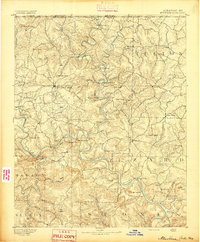 1894 Mountain Home1894 Print · USGSNorthern Arkansas in the 1890s was a rugged territory defined by the winding White and Buffalo rivers. Genealogists and local historians can trace early river crossings and settlements like Traceys Fy & Fd, Ships Fy, Buffalo City, and Henderson.6 unique versions available
 - 1945 Map of Harrison
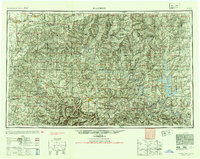 1945 Harrison1945 Print · USGSThe Ozark and Boston Mountains straddle the Missouri-Arkansas border during the mid-forties, showing a landscape of forest ridges and river valleys. Genealogists and historians can trace rail-connected towns like Monett and West Plains or early lake developments at Bull Shoals Res and Norfork Lake.
 - 1949 Map of Harrison
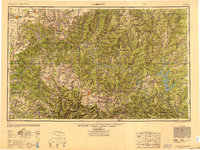 1949 Harrison1949 Print · USGSThe Ozark highlands of northern Arkansas and southern Missouri are shown just after the war, when the White River still followed its original course. Genealogists and historians can trace rail lines like the Missouri & Arkansas RR and locate rural hubs like Harrison, Eureka Springs, and Mountain Home.
 - 1950 Map of Salem, 1973 Print
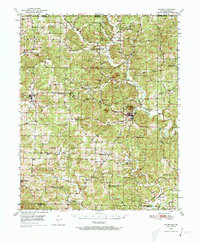 1950 Salem1973 Print · USGSFulton County and the surrounding Ozark borderlands are captured here in the mid-twentieth century, centered on the community of Salem. Local researchers can locate family homesteads near landmarks like Wesley Chapel, Bexar, and the Liberty Hill Ch.2 unique versions available
 - 1951 Map of Salem
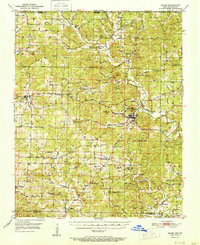 1951 Salem1951 Print · USGSFulton County settlements and timberlands are mapped here in detail during the early fifties. Genealogists and local historians can trace family roots through numerous sites like Wesley Chapel, Crossroads Sch, and the Hunter Cem.
 - 1954 Map of Harrison
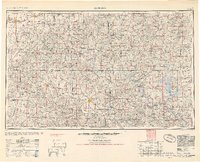 1954 Harrison1954 Print · USGSThe Ozarks and Boston Mountains meet during a period of massive river engineering in the mid-fifties. Researchers can trace the early shorelines of Bull Shoals Lake and Table Rock Reservoir or locate inland towns like Berryville and Harrison.
 - 1957 Map of Poplar Bluff, 1968 Print
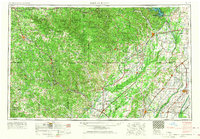 1957 Poplar Bluff1968 Print · USGSThe Missouri-Arkansas border region is captured here as the timber and rail industries shaped the Ozark foothills. Genealogists and historians can trace the Missouri Pacific Railroad through river towns like Pocahontas, Greenville, and Van Buren.3 unique versions available
 - 1958 Map of Harrison, 1973 Print
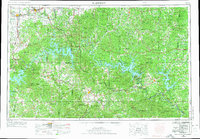 1958 Harrison1973 Print · USGSThe Ozark and Boston Mountains appear in this mid-century survey as the great White River impoundments were reshaping the region. Researchers can trace the rail lines of the St Louis-San Francisco Ry and locate early settlements like Berryville and Gainesville.
 - 1959 Map of Poplar Bluff
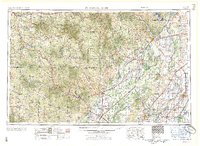 1959 Poplar Bluff1959 Print · USGSThe Missouri Ozarks and Arkansas borderlands meet in this late 1950s study of the region's diverse terrain and rail-fed towns. Researchers can trace the path of the Missouri Pacific Railroad through Poplar Bluff or locate smaller settlements like Birch Tree and Myrtle.
 - 1960 Map of Poplar Bluff
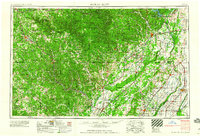 1960 Poplar Bluff1960 Print · USGSSoutheast Missouri and Northeast Arkansas are captured here during the post-war era, showing the transition from the Ozark highlands to the Delta. Genealogists and historians can trace rail corridors like the St. Louis Southwestern RR and remote settlements such as Birch Tree and Warm Springs.
 - 1964 Map of Harrison
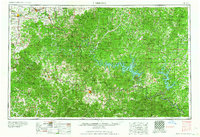 1964 Harrison1964 Print · USGSThe Ozark and Boston Mountains of Arkansas and Missouri are captured here in the mid-sixties, showing the rugged highlands before extensive modern development. Genealogists and historians can trace family-named peaks like Gaither Mountain and follow the St Louis-San Francisco RR through Monett and Purdy.
 - 1966 Map of Gepp, 1967 Print
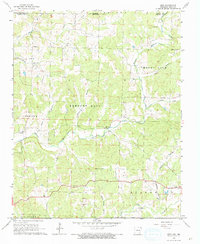 1966 Gepp1967 Print · USGSThe Missouri-Arkansas borderlands come alive in the mid-sixties, showing a rural landscape of scattered farmsteads and creek-side settlements. Researchers can trace family roots at Gobbler Trot Cem, visit the Enterprise Ch, or explore the crossroads at Vidette.
 - 1976 Map of Salem NW, 1977 Print
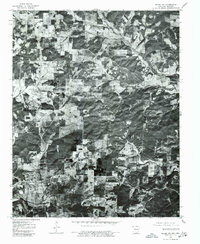 1976 Salem NW1977 Print · USGSNear the Arkansas and Missouri border in the mid-seventies, this orthophoto captures the rural homesteads and agricultural layout of Fulton County. Researchers can trace the exact buildings and roads around Viola during this period of Ozark development.
 - 1983 Map of Cherokee Village
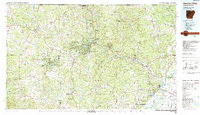 1983 Cherokee Village1983 Print · USGSThe Ozark foothills and river valleys of Northeast Arkansas are captured in the early eighties as modern planned communities began to reshape the landscape. Genealogists and historians can trace family-named ridges and schools across Evening Shade, Melbourne, and the rail junction at Hoxie.
 - 1984 Map of Viola
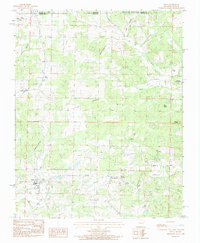 1984 Viola1984 Print · USGSViola and its neighboring Ozark highlands are captured here in the early 1980s as the Arkansas-Missouri border area maintained its rural character. Trace family roots at Barker Cem, Gum Spring Ch, or the small settlement at Sturkie.
 - 1985 Map of Bull Shoals Lake
 1985 Bull Shoals Lake1985 Print · USGSThe mid-1980s Ozark Plateau is captured here during a era of significant growth around the sprawling shorelines of Bull Shoals Lake and Norfork Lake. Genealogists and historians can trace the rail-and-river economy through Buffalo City and the Missouri Pacific RR line.
 - 1985 Map of Harrison
 1985 Harrison1985 Print · USGSThe Ozark highlands and the White River valley are seen here in the mid-1980s, showcasing a region defined by its massive reservoirs and protected wilderness. You can trace the rugged corridors of the Missouri & North Arkansas RR or locate historic settlements like Eureka Springs and Jasper.
 - 2011 Map of Viola, 2011 Print
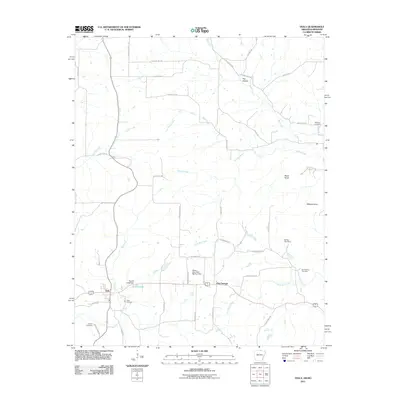 2011 Viola2011 Print · USGSViola and the surrounding Ozark foothills are captured here in the early twenty-first century as a landscape of rural communities and winding creeks. Genealogists and local historians can locate family landmarks such as Viola Cemetery, Hay Hollow, and Wildcat Knob.
 - 2011 Map of Gepp, 2011 Print
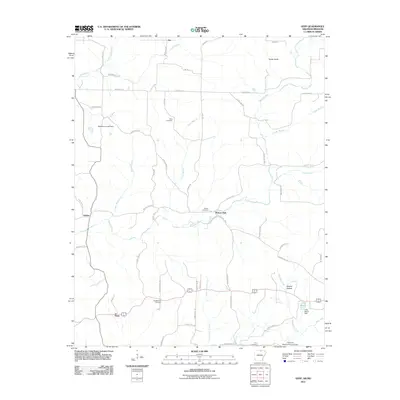 2011 Gepp2011 Print · USGSFulton County and the Arkansas-Missouri borderlands are captured here in the early 2000s, showing a landscape of family-named ridges and river valleys. Genealogists and local historians can trace family ties at Gobbler Trot Cemetery, Pickren Hall, and the settlement of Gepp.
 - 2014 Map of Viola, 2014 Print
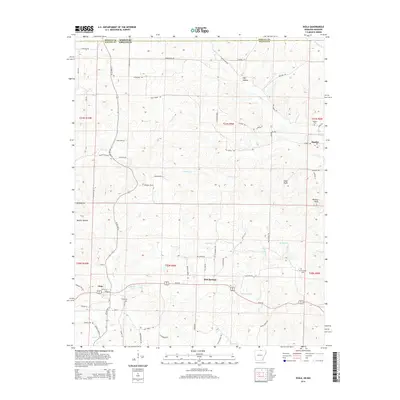 2014 Viola2014 Print · USGSNorthern Arkansas and the Missouri borderlands are captured here in the mid-2010s, centered on the rural community of Viola. Genealogists and local historians can trace family locations through Barker Cem, Watkins Cem, and the geography of Mashie Hollow.
 - 2014 Map of Gepp, 2014 Print
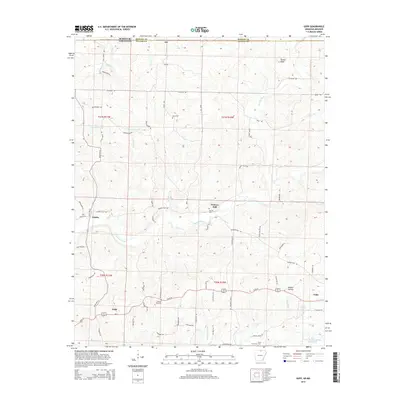 2014 Gepp2014 Print · USGSFulton County and the Arkansas-Missouri border are documented here in the early twenty-first century, showing a landscape of river valleys and small rural outposts. Researchers can trace family history through landmarks like Pickren Hall and quiet cemeteries including Gobbler Trot Cem and Hurst Cem.
 - 2017 Map of Viola, 2017 Print
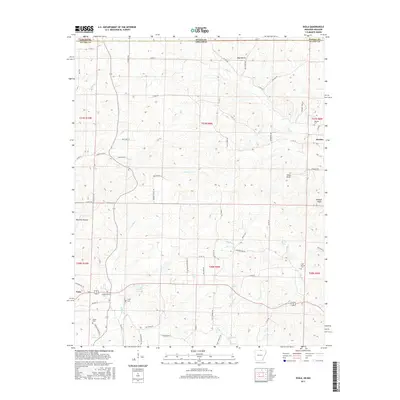 2017 Viola2017 Print · USGSThe Arkansas-Missouri borderlands near Viola and Sturkie are captured here in the early twenty-first century. Researchers can trace local genealogy and land use through landmarks like Barker Cemetery, Sparks Lake, and the hills around Shaw Knob.
 - 2017 Map of Gepp, 2017 Print
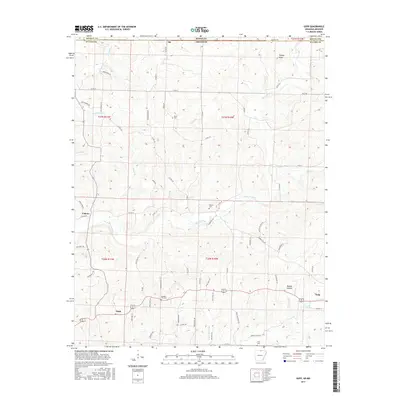 2017 Gepp2017 Print · USGSFulton County, Arkansas, and the Missouri state line come into focus in this recent survey of the Ozark borderlands. Genealogists and local historians can trace the locations of Hurst Cem, Gobbler Trot Cem, and the small community of Gepp.
Showing maps 1-25 of 29
Top cities near Viola
- Horseshoe Bend historical maps
- Salem historical maps
- Calico Rock historical maps
- Oxford historical maps
- Bakersfield historical maps
- Pineville historical maps
See more
Frequently asked questions
- What are the different types of historical maps available for Viola?
- What is the oldest map of Viola?
- Where can I purchase historical maps of Viola for my home or office?
- Where can I download high-res historical maps of Viola?
- Are there historical topographic maps available for Viola?
- Is there historical aerial imagery available for Viola?
- Where are historical maps of Viola sourced from?