Old Maps of Furlow, Arkansas for Metal Detecting
Plan your next treasure hunt with 17 historic maps of Furlow. Find old homesites, ghost towns, trails, and gathering spots that may be lost to time — perfect for identifying promising metal detecting locations.
- Locate forgotten sites: Uncover places like long-lost settlements, abandoned rail lines, or gathering spots.
- Plan better hunts: Use map overlays combined with LiDAR or satellite views to narrow in on historically rich areas.
- Made for detectorists: Thousands of hobbyists use these maps to discover relics, coins, and hidden history.
Use these historic maps to boost your research and find new opportunities beneath the surface of Furlow.
Furlow, AR maps
(17)- 1940 Map of Lonoke
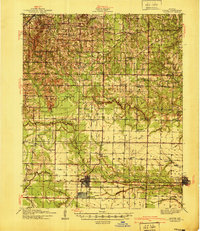 1940 Lonoke1940 Print · USGSThe Lonoke County interior during the late Depression era shows a landscape of rail-dependent towns and prairie farmsteads. Researchers can trace the early road network and family history through sites like Butlerville, the Confederate Cemetery, and Carlisle.
 - 1948 Map of Helena
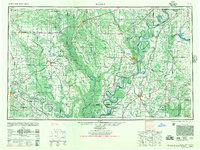 1948 Helena1948 Print · USGSEastern Arkansas and the Mississippi Delta are captured here just after the war, showing a landscape defined by its great rivers and rail lines. Genealogists can trace family locations near Bemis Plantation, Helena, and smaller rail stops like Wheatley and Moro.
 - 1949 Map of Lonoke
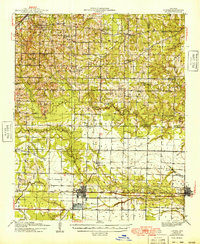 1949 Lonoke1949 Print · USGSLonoke and Carlisle are captured in the late thirties, when the Chicago Rock Island and Pacific railroad defined the local corridor. Genealogists can trace family footprints at the Camp Nelson Confederate Cem and rural schools like Pittman Sch or Bethlehem Sch.
 - 1950 Map of Helena
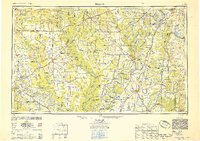 1950 Helena1950 Print · USGSMid-century Phillips County and the surrounding Delta region are shown at a peak of rail and river commerce. Genealogists and historians can trace family locations through numerous rural communities like Old Austin, Cotton Plant, and West Helena, or follow the routes of the Missouri Pacific RR across Grand Prairie.2 unique versions available
 - 1950 Map of Lonoke, 1952 Print
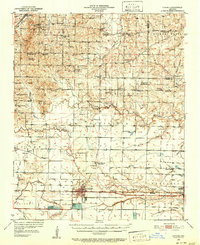 1950 Lonoke1952 Print · USGSLonoke and Carlisle are centered in this mid-century survey of central Arkansas, highlighting a landscape shaped by rail and river. Genealogists can trace family roots at Camp Nelson Confederate Cem or locate rural landmarks like Jacksons Store and Sylvania.2 unique versions available
 - 1955 Map of Helena, 1967 Print
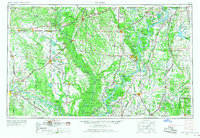 1955 Helena1967 Print · USGSThe Arkansas Delta and Mississippi floodplains are captured here in the mid-fifties, during a period of expanding flood control and rail commerce. Researchers can trace the extensive Chicago Rock Island and Pacific RR lines and locate sites like the Arkansas State College Experimental Rice Farm or Friars Point.2 unique versions available
 - 1959 Map of Helena
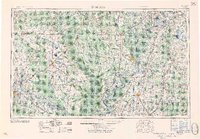 1959 Helena1959 Print · USGSThe Arkansas and Mississippi Delta regions are captured here in the late fifties, showing a landscape defined by the Mississippi River and the Grand Prairie. Genealogists and researchers can trace the rail networks of the Illinois Central RR and locate community landmarks like Helena and the White River National Wildlife Refuge.
 - 1960 Map of Helena
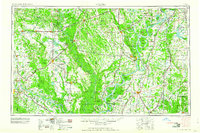 1960 Helena1960 Print · USGSThe Arkansas and Mississippi Delta regions meet along the great river bends during a period of significant agricultural and rail expansion. Genealogists and historians can trace the paths of the Missouri Pacific railroad through Clarendon or locate landings along the Mississippi River and White River.
 - 1975 Map of Lonoke SW, 1977 Print
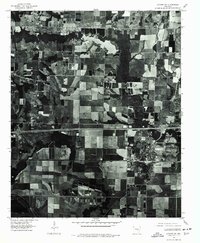 1975 Lonoke SW1977 Print · USGSLonoke and the surrounding Arkansas farmland are captured in high detail in this mid-seventies aerial survey. Researchers can trace the developed grid of Lonoke, the rural settlement at Furlow, and the drainage patterns of Baker and the local Bayou.
 - 1982 Map of Lonoke
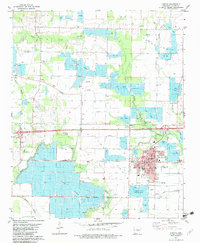 1982 Lonoke1982 Print · USGSLonoke and the surrounding Grand Prairie landscape are captured here in the early eighties as aquaculture transformed the terrain. Genealogists and local historians can trace rural communities like Furlow, locate the Concord Ch, or find family burial sites at Beard Cem and Hester Cem.
 - 1986 Map of Brinkley
 1986 Brinkley1986 Print · USGSThe Grand Prairie and White River basin come to life in the mid-1980s, showing the intersection of heavy rail and interstate travel through eastern Arkansas. Genealogists can locate family sites near Sylvania Cem, Oak Grove Ch, and the rural community of De Valls Bluff.
 - 1990 Map of Brinkley, 1991 Print
 1990 Brinkley1991 Print · USGSEastern Arkansas at the start of the 1990s is defined by the agricultural rhythms of the Grand Prairie and the vital White River corridor. Genealogists and historians can trace the rail-linked growth of Brinkley and Des Arc alongside older landmarks like Peckerwood Lake.
 - 2011 Map of Lonoke, 2011 Print
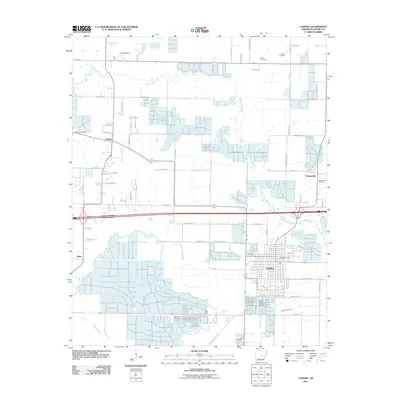 2011 Lonoke2011 Print · USGSLonoke County in the early twenty-first century remains defined by its prairie waterways and agricultural roots. Researchers can locate several rural burial sites like Hester Cemetery and Burris Cemetery or trace the Hogan State Fish Hatchery near Lonoke.
 - 2014 Map of Lonoke, 2014 Print
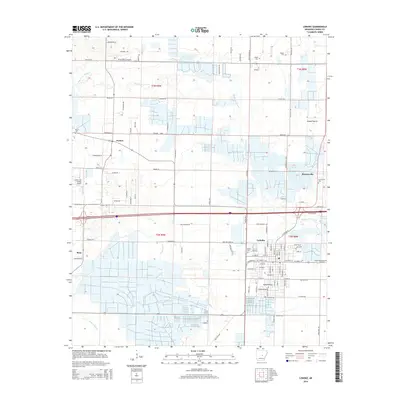 2014 Lonoke2014 Print · USGSLonoke and its surrounding prairies are captured in detail during the early twenty-first century, showing the town's expansion alongside rural farmsteads. Genealogists can locate family burial sites at Lonoke Cemetery, Brownsville Cemetery, and Hester Cemetery.
 - 2017 Map of Lonoke, 2017 Print
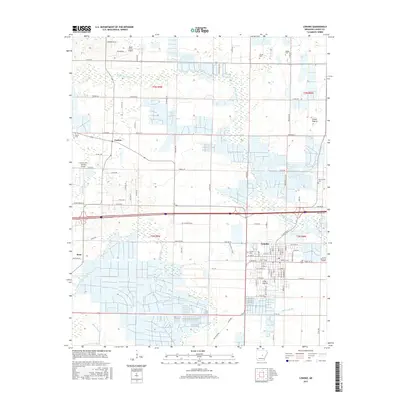 2017 Lonoke2017 Print · USGSLonoke and the surrounding Arkansas Grand Prairie are shown here in the late 2010s, revealing a landscape of agricultural sections and scattered aviation fields. Researchers can trace family sites at Lonoke Cemetery, Hester Cem, and the old settlement at Furlow.
 - 2020 Map of Lonoke, 2020 Print
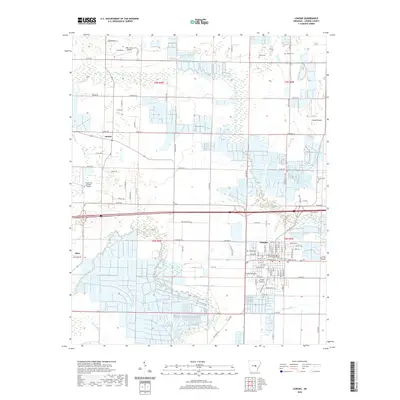 2020 Lonoke2020 Print · USGSLonoke County in the early twenty-first century reveals a landscape where the Grand Prairie meets organized civic life in the town of Lonoke. Genealogists and local researchers can locate several significant burial sites, including Brownsville Cem and Lonoke Cem, alongside the historic Lonoke County Courthouse.
 - 2024 Map of Lonoke, 2024 Print
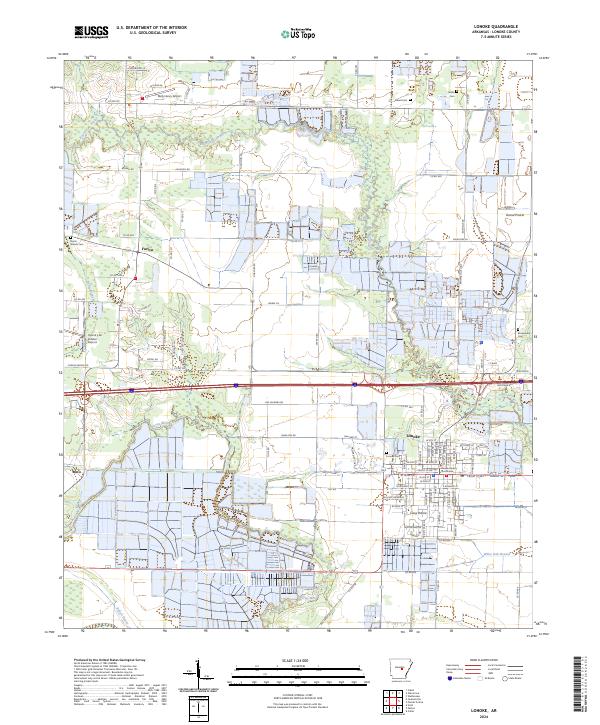 2024 Lonoke2024 Print · USGSLonoke and the surrounding Arkansas Grand Prairie are documented here during a period of modern agricultural and civic continuity. Researchers can locate the Lonoke County Courthouse and trace several rural burial grounds like Hester Cem and Brownsville Cem.
End of results
Showing maps 1-17 of 17
Top cities near Furlow
- Little Rock historical maps
- North Little Rock historical maps
- Jacksonville historical maps
- Cabot historical maps
- Sherwood historical maps
- Beebe historical maps
See more
Frequently asked questions
- What are the different types of historical maps available for Furlow?
- What is the oldest map of Furlow?
- Where can I purchase historical maps of Furlow for my home or office?
- Where can I download high-res historical maps of Furlow?
- Are there historical topographic maps available for Furlow?
- Is there historical aerial imagery available for Furlow?
- Where are historical maps of Furlow sourced from?