Old Maps of Mountain View, Arkansas for Hiking & Exploration
Hike through history with 32 historic maps of Mountain View. Explore old trails, ghost towns, and forgotten backroads — perfect for outdoor adventurers and local explorers.
- Rediscover forgotten places: Map out old mining camps, roads, and footpaths that no longer exist on modern maps.
- Layer with modern tools: Combine with LiDAR or satellite views to plan hikes through historical terrain.
- Made for exploration: Popular among hikers, overlanders, and local history lovers.
Use these maps to find adventure and explore the hidden past of Mountain View.
Mountain View, AR maps
(32)- 1892 Map of Mountain View
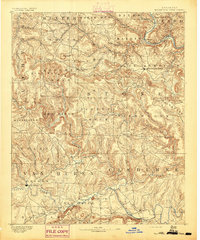 1892 Mountain View1892 Print · USGSThe Arkansas Ozarks are mapped here in the late nineteenth century, a time when river ferries and fords were the primary connections between isolated mountain towns. Trace the early streets of Mountain View and Clinton, or locate old crossings at Upper Fy. and Wilsons Fd.
 - 1894 Map of Mountain View
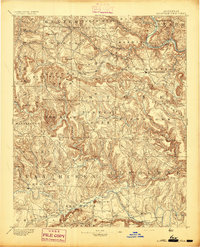 1894 Mountain View1894 Print · USGSThe Arkansas Ozark foothills and river valleys are shown in the 1890s as a network of isolated homesteads and river landings. Genealogists can trace early families near Mountain View, Clinton, and river crossings like Upper Fy. or Goffs Cove.5 unique versions available
 - 1956 Map of Russellville
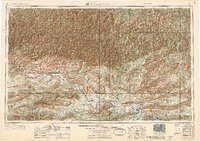 1956 Russellville1956 Print · USGSThe Arkansas River valley and the surrounding Boston Mountains are captured here in the mid-fifties, showing a landscape of small timber towns and new reservoirs. Genealogists can trace family roots through upland settlements like Pelsor and Witts Springs or locate the campus of Arkansas Polytechnic College.2 unique versions available
 - 1964 Map of Russellville
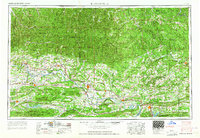 1964 Russellville1964 Print · USGSMid-century Central Arkansas is defined here by the river-valley towns and the surrounding mountain ranges before the full expansion of the interstate system. Genealogists and historians can trace rail-town development along the Missouri Pacific Railroad and locate landmarks like Arkansas Polytechnic College or Petit Jean State Park.
 - 1964 Map of Sylamore, 1965 Print
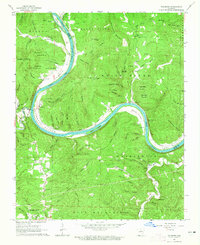 1964 Sylamore1965 Print · USGSThe White River corridor of mid-century Stone County reveals a landscape of isolated mountain settlements and riverside rail industry. Trace family history through the Jeffery Cem and Sylamore Cem, or locate the old Ferry crossing near the Missouri Pacific line.3 unique versions available
 - 1969 Map of Mountain View SW, 1971 Print
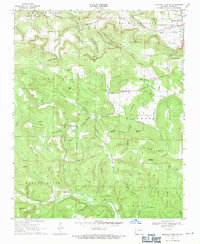 1969 Mountain View SW1971 Print · USGSStone County’s rural Ozark landscape is documented here in the late sixties, showing a terrain defined by ridges and deep hollows. Researchers can locate family landmarks and early congregations like the Mennonite Ch, Fredonia Cem, and the settlement of Sunny Land.
 - 1969 Map of Mountain View, 1971 Print
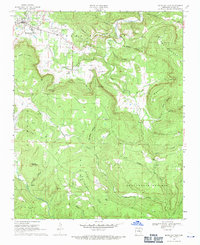 1969 Mountain View1971 Print · USGSStone County life in the late sixties is centered around the growth of Mountain View and the surrounding timbered hollows. Genealogists can trace family roots through numerous sites like Flatwoods Cem, Nirkee Chapel, and the community at Luber.
 - 1972 Map of Fiftysix, 1973 Print
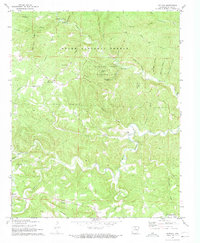 1972 Fiftysix1973 Print · USGSStone County, Arkansas, comes to life in the early seventies, showing the remote ridge-top settlements and cavern systems of the Ozarks. Genealogists and hikers can trace the paths to Fiftysix, Blanchard Caverns, and the Red Doors Cemetery.3 unique versions available
 - 1977 Map of Russellville
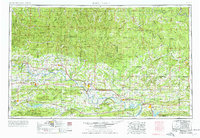 1977 Russellville1977 Print · USGSThe Arkansas River Valley and surrounding Ozark Mountains are documented here during a period of significant postwar growth and infrastructure development. Genealogists and researchers can locate family landmarks such as Mount Carmel Cem, St Josephs Church, and several remote Coal Mine sites along the Missouri Pacific RR line.
 - 1983 Map of Mountain View
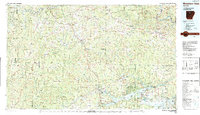 1983 Mountain View1983 Print · USGSNorth-central Arkansas comes into sharp focus during the early eighties, showing the transition from traditional Ozark mountain settlements to a landscape shaped by major reservoirs. Genealogists and historians can trace family roots through mountain hamlets like Snowball, Witts Springs, and Timbo, or locate landmarks such as Zion Hill Church and the Missouri Pacific Railroad.
 - 1984 Map of Russellville
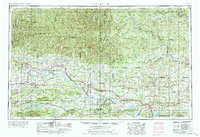 1984 Russellville1984 Print · USGSThe Arkansas River valley was undergoing significant change in the 1950s as transportation and water management reshaped the region from Russellville to Conway. Researchers can trace the era's rail networks like the Missouri Pacific RR and explore landmarks like Magazine Mountain and Petit Jean State Park.
 - 1992 Map of Russellville, 1993 Print
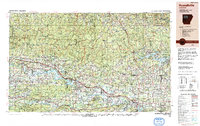 1992 Russellville1993 Print · USGSCentral Arkansas in the early nineties shows a landscape defined by the Arkansas River valley and the surrounding national forests. Trace the development of river towns like Russellville and Dardanelle alongside landmarks such as Lake Dardanelle and Magazine Mtn.
 - 2011 Map of Mountain View SW, 2011 Print
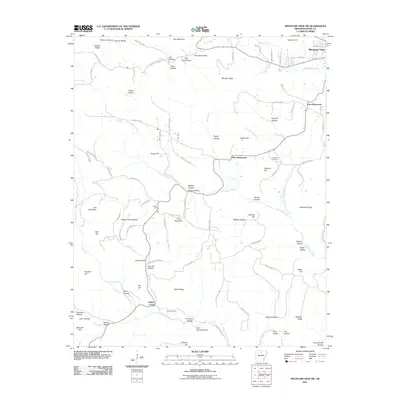 2011 Mountain View SW2011 Print · USGSStone County’s high ridges and deep hollows are captured here in the decade before the present, showing the rural communities surrounding Mountain View. Researchers can trace local lineage through family landmarks like Finch Cemetery, Fredonia Hill, and Sunny Land.
 - 2011 Map of Sylamore, 2011 Print
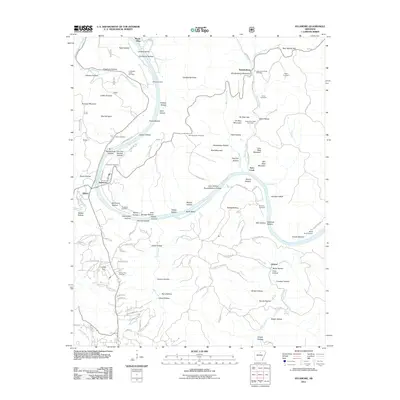 2011 Sylamore2011 Print · USGSThe White River valley in the early twenty-first century remains a landscape of high ridges and deep hollows. Genealogists and local historians can trace family ties through numerous sites like Jeffrey Cemetery, Mount Olive, and the Whitehouse Canning Kitchen.
 - 2011 Map of Fiftysix, 2011 Print
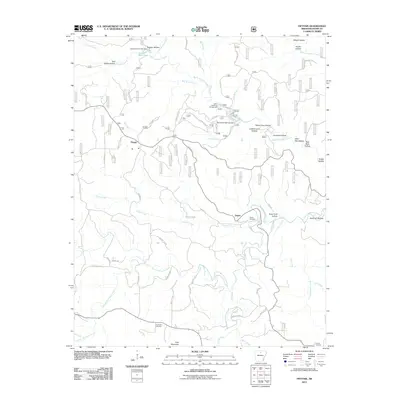 2011 Fiftysix2011 Print · USGSThe community of Fiftysix and the Ozark National Forest area are captured here in the early twenty-first century. Genealogists and local historians can locate the Red Doors Cemetery, trace the roads around Gayler, and find the Stone Drive-In theater.
 - 2011 Map of Mountain View, 2011 Print
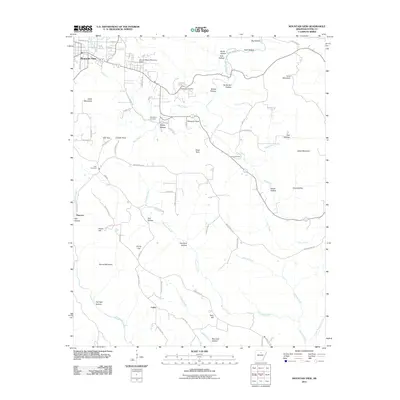 2011 Mountain View2011 Print · USGSMountain View and Stone County are seen here in the early twenty-first century, a time when family-named hollows and ridge-top settlements still defined the landscape. Local historians can trace family roots through sites like Flatwoods Cemetery, Luber, and the rural crossroads of Simpson Point.
 - 2014 Map of Mountain View SW, 2014 Print
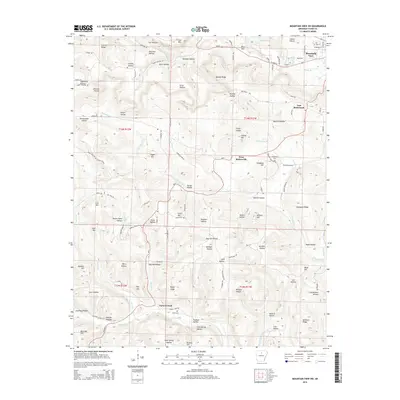 2014 Mountain View SW2014 Print · USGSStone County highlands are documented here in 2014, showing the rural communities and hollows west of the county seat. Genealogists and local historians can trace family sites at Fredonia Cem or explore the landscape around East Richwoods and Turkey Creek.
 - 2014 Map of Fiftysix, 2014 Print
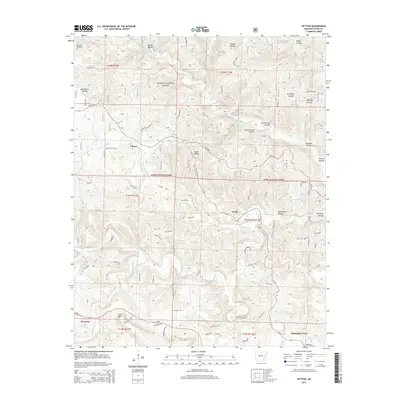 2014 Fiftysix2014 Print · USGSStone County in the early twenty-first century reveals a landscape of isolated hollows and forest settlements centered around the community of Fiftysix. Genealogists and hikers can trace old routes to the Gayler Cem, explore the vicinity of Blanchard Spring, or locate the high point of Cow Mtn.
 - 2014 Map of Mountain View, 2014 Print
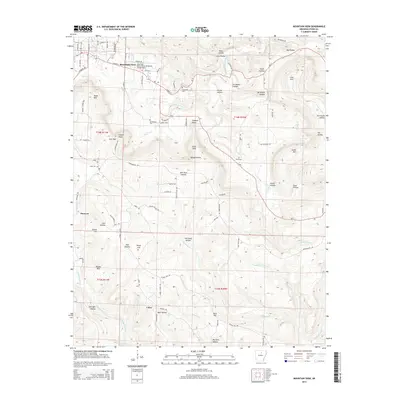 2014 Mountain View2014 Print · USGSMountain View and its surrounding hollows are meticulously documented in the mid-2010s. Genealogists and local historians can trace the rural landscape near Hanover and Luber, or locate family sites at Whitefield Cemetery and Cove Cemetery.
 - 2014 Map of Sylamore, 2014 Print
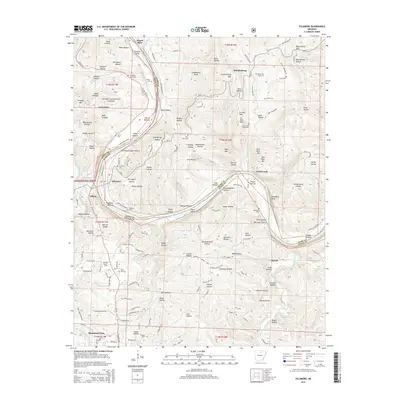 2014 Sylamore2014 Print · USGSThe river bottoms and ridges north of Mountain View come into focus during this decade, showing the meeting of the White River and Ozark National Forest. Researchers can find numerous ancestral burial grounds like Leivsy Flat Cem, Sylamore Cem, and Jeffrey Cem tucked between the region's many hollows.
 - 2017 Map of Fiftysix, 2017 Print
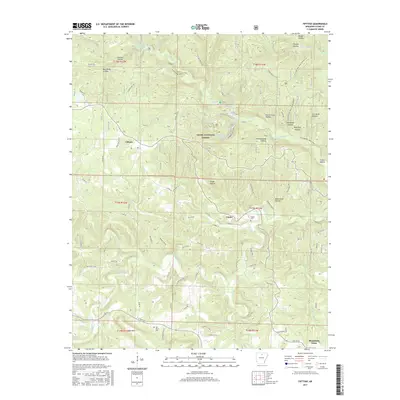 2017 Fiftysix2017 Print · USGSStone County, Arkansas, is captured here in the late twenty-tens, showing the deeply etched hollows and timberlands north of Mountain View. Genealogists and local historians can locate Gayler Cem and Red Doors Cem, alongside landmarks like Blanchard Spring and the curiously named town of Fiftysix.
 - 2017 Map of Mountain View, 2017 Print
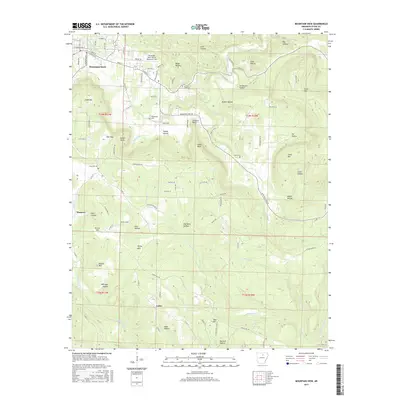 2017 Mountain View2017 Print · USGSMountain View and the surrounding Stone County highlands are captured here during a period of modern rural connectivity. Genealogists and local historians can locate several family cemeteries, including Whitefield Cem and Cove Cem, while tracing the terrain from Dodd Mtn to Luber.
 - 2017 Map of Mountain View SW, 2017 Print
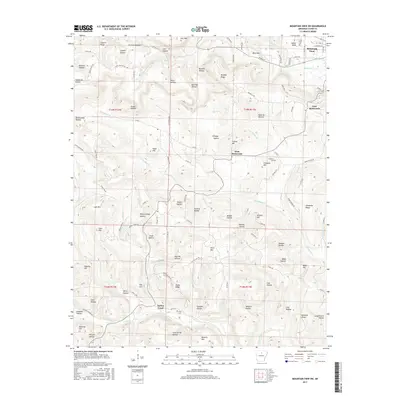 2017 Mountain View SW2017 Print · USGSThe foothills of Stone County come into focus in this recent survey, showing the expansion of Mountain View into the surrounding ridges. Genealogists and hikers can trace old family sites and burial grounds like Fredonia Cem or explore the deep reaches of Brown Camp Hollow.
 - 2017 Map of Sylamore, 2017 Print
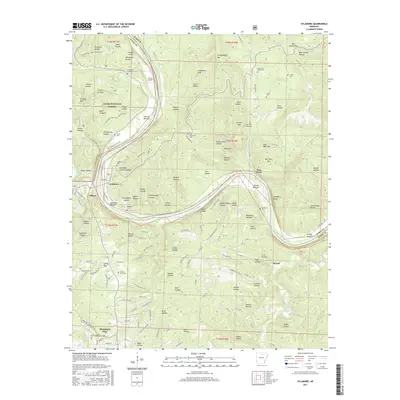 2017 Sylamore2017 Print · USGSSettlements along the White River in the late 2010s reveal a mix of traditional Ozark life and modern recreation. Researchers can trace family history through sites like Sylamore Cem and Levisy Flat Cem, or follow the Syllamo Bike Trail across Scrappy Mtn.
 - 2020 Map of Fiftysix, 2020 Print
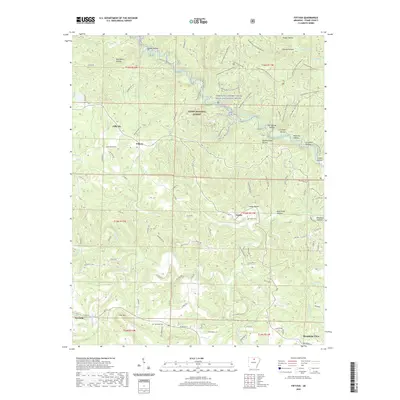 2020 Fiftysix2020 Print · USGSStone County’s mountain communities and forest lands are documented here in the early twenty-first century. Genealogists and hikers can trace the geography around Fiftysix and Gayler, or locate sites like Red Doors Cem and Blanchard Spring.
Showing maps 1-25 of 32
Top cities near Mountain View
- Fairfield Bay historical maps
- Melbourne historical maps
- Shirley historical maps
- Fifty-Six historical maps
- Guion historical maps
Frequently asked questions
- What are the different types of historical maps available for Mountain View?
- What is the oldest map of Mountain View?
- Where can I purchase historical maps of Mountain View for my home or office?
- Where can I download high-res historical maps of Mountain View?
- Are there historical topographic maps available for Mountain View?
- Is there historical aerial imagery available for Mountain View?
- Where are historical maps of Mountain View sourced from?