Old Maps of Oakland, California for Academic Research
Study the evolution of Oakland with 84 high-resolution historic maps. Whether you're teaching, researching, or modeling changes in land use, these maps provide essential visual documentation of urban, environmental, and geographic change.
- Analyze long-term change: Track patterns in development, transportation, and natural features.
- Ideal for environmental or urban studies: Support academic projects with primary historical map data.
- Use in the classroom or lab: Educators and researchers rely on these maps to bring historical context to life.
These maps are a powerful tool for teaching, research, and visualizing how Oakland has changed over the decades.
Oakland, CA maps
(84)- 1892 Map of San Mateo
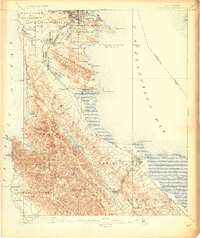 1892 San Mateo1892 Print · USGSThe San Francisco Peninsula in the 1890s reveals a landscape of ranchos and rising rail towns. Trace the early footprints of Colma, Millbrae, and South San Francisco alongside vital water infrastructure like the Crystal Springs Dam.
 - 1895 Map of San Francisco
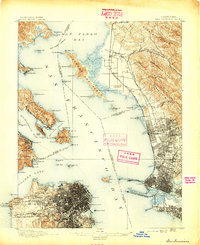 1895 San Francisco1895 Print · USGSThe San Francisco Bay Area thrives as a maritime and rail power at the close of the nineteenth century. Genealogists and researchers can trace early neighborhoods in Berkeley, the layout of the Presidio Military Reservation, and rail terminals like the Oakland Mole.
 - 1896 Map of San Mateo
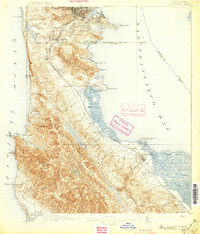 1896 San Mateo1896 Print · USGSThe northern San Francisco Peninsula comes alive in this late nineteenth-century survey. Genealogists and historians can trace early trackage of the Southern Pacific R. R. through Colma and Millbrae, or locate the Industrial School and Brewer School.
 - 1897 Map of Concord
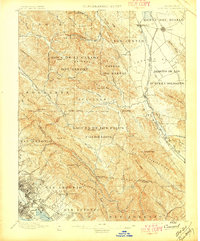 1897 Concord1897 Print · USGSThe East Bay hills and valleys appear here in the late nineteenth century, just as railroads began to reshape the old rancho lands. Researchers can trace the original tracks of the California and Nevada R. R. and early settlements like Pacheco and Lafayette.6 unique versions available
 - 1899 Map of San Francisco
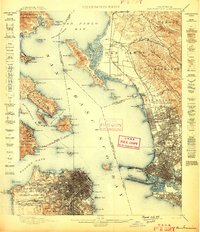 1899 San Francisco1899 Print · USGSThe Bay Area at the close of the nineteenth century reveals a burgeoning metropolis still tied to its maritime and rail roots. Trace the early layouts of the University of California and the Presidio, or locate the now-vanished Lone Mt. Cem. and Shell Mound.7 unique versions available
 - 1899 Map of Haywards
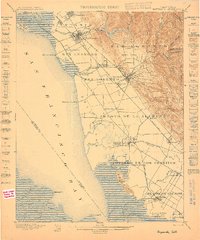 1899 Haywards1899 Print · USGSThe East Bay shoreline at the end of the century was a landscape of industrial salt works and vital maritime landings. Genealogists and historians can trace the early rail stops at Haywards Sta. or locate family trade hubs at Mulford Landing and Jarvis Landing.5 unique versions available
 - 1899 Map of San Mateo
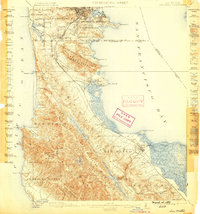 1899 San Mateo1899 Print · USGSThe northern San Mateo peninsula appears here in the late nineteenth century as a landscape of early rail lines and critical water infrastructure. Trace the early development of South San Francisco, the sprawling Cemeteries of Colma, and rural schoolhouses like Hoyt School.6 unique versions available
 - 1915 Map of San Mateo
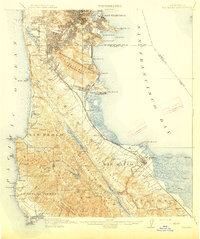 1915 San Mateo1915 Print · USGSThe San Francisco Peninsula at the start of the twentieth century shows a landscape transitioning from rural ranchos to industrial centers and suburbs. Genealogists can trace family footprints at Colma, locate the Hoyt School, or follow the Southern Pacific RR through Baden Sta.6 unique versions available
 - 1915 Map of Haywards
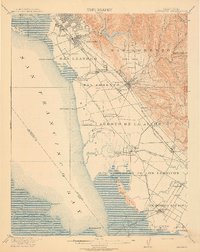 1915 Haywards1915 Print · USGSThe East Bay shoreline and inland foothills are shown here in the mid-1910s during a height of coastal industry. Genealogists and historians can trace old shipping points like Mulford Landing, early salt operations at Union City Salt Works, and the rail lines of the Western Pacific.4 unique versions available
 - 1915 Map of Concord
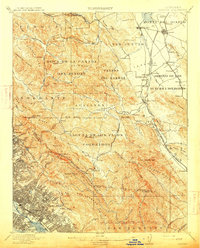 1915 Concord1915 Print · USGSContra Costa and Alameda counties are shown here just before the mid-century population boom, when the East Bay was a landscape of ranchos and rail stops. Genealogists can trace family footprints in small 1910s settlements like Moraga, Pacheco, and Lafayette.5 unique versions available
 - 1915 Map of San Francisco
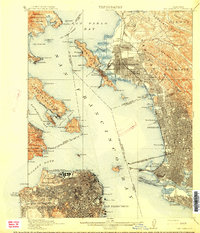 1915 San Francisco1915 Print · USGSSan Francisco and the East Bay appear at a pivotal moment just before the First World War, featuring the grand layout of the Panama-Pacific International Exposition. Genealogists and historians can trace the early rail networks of the Key Route Pier, the industrial waterfront at Winehaven, and historic landmarks like Cliff House.6 unique versions available
 - 1939 Map of San Mateo, 1956 Print
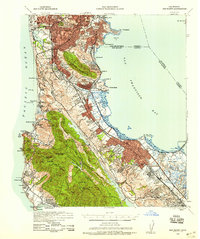 1939 San Mateo1956 Print · USGSThe San Francisco Peninsula at the brink of the 1940s reveals a landscape of ridge-top vistas and growing railroad towns. Researchers can trace the early layouts of Burlingame, San Bruno, and Millbrae, or locate institutional landmarks like St Josephs Military Academy and the extensive Chinese Cem.3 unique versions available
 - 1942 Map of Concord
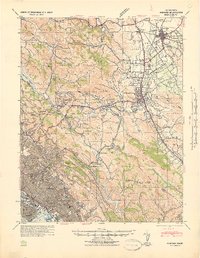 1942 Concord1942 Print · USGSThe East Bay interior was a landscape of expanding valley towns and deep-rooted ranching tracts in the early 1940s. Genealogists and historians can trace rail-era settlements like Concord, Lafayette, and Walnut Creek alongside local landmarks like St Marys College and Sherman Field.
 - 1942 Map of Hayward
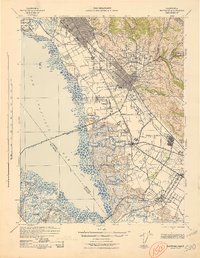 1942 Hayward1942 Print · USGSThe East Bay shoreline and inland foothills come alive in the early 1940s as industry and infrastructure reshape the landscape. Researchers can trace the original footprints of Russell City and Mt Eden or locate the historic Oakland Speedway and Fairmont Hospital.
 - 1943 Map of Concord
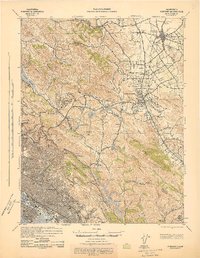 1943 Concord1943 Print · USGSThe East Bay and Contra Costa interior appear here during the wartime era, showing the transition from urban waterfronts to rural valley communities. Researchers can trace early rail lines like the Sacramento Northern RR and locate local landmarks such as St Marys College and Acalanes Sch.
 - 1943 Map of San Mateo
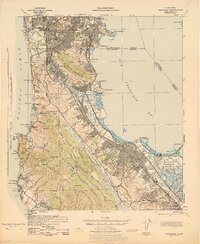 1943 San Mateo1943 Print · USGSThe San Francisco Peninsula during the mid-war years shows a region of expanding shoreline industry and established hillside communities. Researchers can trace historic landmarks like St Josephs Military Academy and the Golden Gate National Cem.
 - 1947 Map of San Francisco, 1948 Print
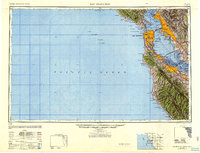 1947 San Francisco1948 Print · USGSThe Bay Area in the late 1940s reveals a region transitioning from wartime intensity to post-war suburban growth. Trace the historic rail lines of the Southern Pacific RR or locate early military footprints at Fort Funston and Moffett Field.
 - 1947 Map of Briones Valley, 1954 Print
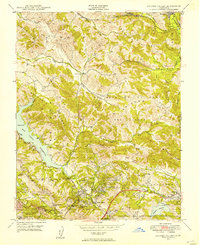 1947 Briones Valley1954 Print · USGSContra Costa County at the dawn of the postwar era shows the early expansion of Orinda and Lafayette into the surrounding hills. Genealogists and hikers can trace the original Briones Valley Sch, the winding path of Bear Creek, and the massive San Pablo Reservoir.
 - 1947 Map of Oakland East, 1954 Print
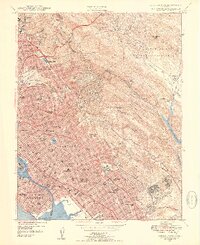 1947 Oakland East1954 Print · USGSThe East Bay waterfront and hills are caught in a moment of rapid postwar expansion during the late 1940s. Genealogists and local historians can locate early neighborhood schools like Cleveland School, historic burial grounds at Mountain View Cemetery, and the extensive Southern Pacific rail network.3 unique versions available
 - 1947 Map of San Leandro, 1956 Print
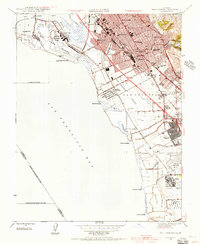 1947 San Leandro1956 Print · USGSThe East Bay shoreline in the late 1940s shows a fascinating mix of industrial salt production and rapid suburban development. Researchers can trace early aviation at the Oakland Municipal Airport or locate community anchors like San Lorenzo Village and the Oakland Speedway.
 - 1947 Map of Las Trampas Ridge, 1956 Print
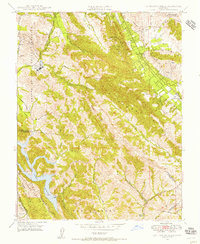 1947 Las Trampas Ridge1956 Print · USGSContra Costa County at the start of the postwar era shows a landscape of cattle ranches and early valley settlements. Trace the original footprints of Alamo and Danville alongside the Southern Pacific tracks and the St Marys College campus.
 - 1947 Map of Hayward, 1957 Print
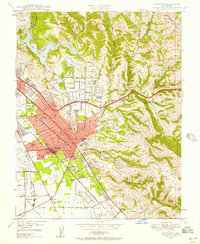 1947 Hayward1957 Print · USGSThe East Bay's post-war suburban transformation is evident in this mid-century view of the Hayward area. Genealogists and local historians can trace legacy sites like the Mt Eden Sta, the Oakland Speedway, and the Holy Sepulchre Cemetery.
 - 1948 Map of San Leandro
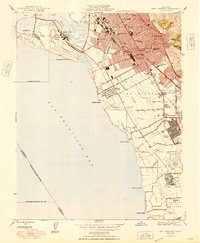 1948 San Leandro1948 Print · USGSPost-war East Bay growth is on full display in this late 1940s survey of the shoreline. Genealogists and historians can trace the emergence of San Lorenzo Village or locate local landmarks like the Oakland Speedway, Powder Works, and the Naval Chapel.
 - 1948 Map of San Francisco, 1951 Print
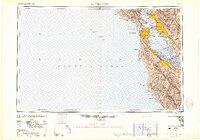 1948 San Francisco1951 Print · USGSThe Bay Area in the late 1940s reveals a landscape defined by rapid post-war growth and a heavy military presence at the Golden Gate. Trace the development of early trans-bay infrastructure like the Oakland-Bay Bridge and historic coastal defense sites such as Fort Funston and Alcatraz Island.
 - 1949 Map of Oakland West
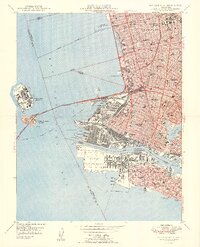 1949 Oakland West1949 Print · USGSThe East Bay waterfront was a bustling landscape of rail yards and military installations in the late 1940s. Genealogists and historians can trace the neighborhood schools and piers of Berkeley and Oakland, from the Oakland Mole to Notre Dame Academy.2 unique versions available
Showing maps 1-25 of 84
Top cities near Oakland
- San Francisco historical maps
- Fremont historical maps
- Hayward historical maps
- Concord historical maps
- Berkeley historical maps
- Richmond historical maps
See more
Top neighborhoods of Oakland
- East Oakland historical maps
- West Oakland historical maps
- Oakland Hills historical maps
- Downtown Oakland historical maps
- North Oakland historical maps
- Financial District historical maps
See more
Frequently asked questions
- What are the different types of historical maps available for Oakland?
- What is the oldest map of Oakland?
- Where can I purchase historical maps of Oakland for my home or office?
- Where can I download high-res historical maps of Oakland?
- Are there historical topographic maps available for Oakland?
- Is there historical aerial imagery available for Oakland?
- Where are historical maps of Oakland sourced from?