Old Maps of Furnace Creek, California for Hiking & Exploration
Hike through history with 17 historic maps of Furnace Creek. Explore old trails, ghost towns, and forgotten backroads — perfect for outdoor adventurers and local explorers.
- Rediscover forgotten places: Map out old mining camps, roads, and footpaths that no longer exist on modern maps.
- Layer with modern tools: Combine with LiDAR or satellite views to plan hikes through historical terrain.
- Made for exploration: Popular among hikers, overlanders, and local history lovers.
Use these maps to find adventure and explore the hidden past of Furnace Creek.
Furnace Creek, CA maps
(17)- 1908 Map of Furnace Creek
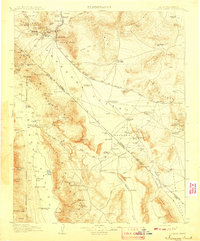 1908 Furnace Creek1908 Print · USGSThe California-Nevada borderlands hummed with mining activity in the early twentieth century as new rail lines reached into the desert. Genealogists and historians can trace pioneer outposts like Rhyolite, industrial sites like the Keane Wonder Mine, and the springs of Ash Meadows.
 - 1910 Map of Furnace Creek
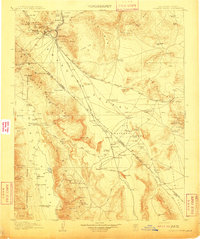 1910 Furnace Creek1910 Print · USGSThe Nevada and California borderlands thrive during a historic mining boom in this early twentieth-century survey. Researchers can trace the rise of desert settlements like Rhyolite and Gold Center or locate industrial sites such as the Keane Wonder Mine and Borax Mill.5 unique versions available
 - 1948 Map of Death Valley
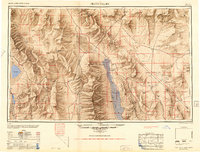 1948 Death Valley1948 Print · USGSIn the late 1940s, this desert frontier was defined by isolated mining camps and military restricted zones. Researchers can trace the routes between Furnace Creek Ranch and Rhyolite, or locate remote sites like the Modoc Mine and Ballarat.2 unique versions available
 - 1952 Map of Furnace Creek, 1953 Print
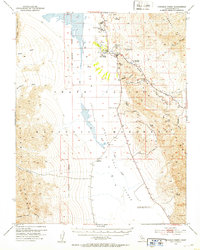 1952 Furnace Creek1953 Print · USGSDeath Valley at the start of the 1950s reveals a desert landscape transitioning from an industrial mining frontier to a premier national monument. Historians can locate the Harmony Borax Works, the local Indian Village, and early tourism landmarks like the Furnace Creek Inn and Zabriskie Pt.5 unique versions available
 - 1954 Map of Death Valley, 1966 Print
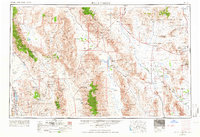 1954 Death Valley1966 Print · USGSInyo County and the Nevada borderlands are shown during the mid-twentieth century as mining history met the atomic age. Researchers can trace the legacy of desert boomtowns and remote camps like Rhyolite, Darwin Mines, and the isolated Clay Camp.3 unique versions available
 - 1956 Map of Death Valley
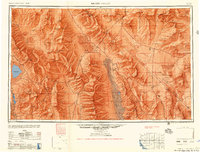 1956 Death Valley1956 Print · USGSInyo County and the Nevada borderlands appear in the mid-fifties as a rugged landscape of mining camps and military reservations. Genealogists and historians can trace the foundations of Furnace Creek Ranch, the desert roads to Ballarat, and active mining sites like the Lila C Mine.
 - 1957 Map of Death Valley
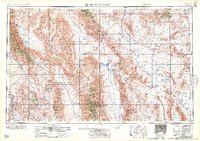 1957 Death Valley1957 Print · USGSThe High Desert in the mid-fifties reveals a landscape of extreme elevations and deep-seated mining history, from the Panamint Range to the Amargosa River. Trace the remnants of the Tonopah & Tidewater RR and remote sites like Ballarat or the Skidoo Mine.
 - 1958 Map of Death Valley
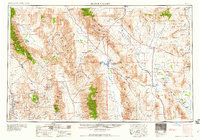 1958 Death Valley1958 Print · USGSThe High Desert and Death Valley during the mid-fifties reveal a stark landscape of mining camps and new military ranges. Historians can trace the lineage of remote outposts like Ballarat, the Skidoo Mine, and the historic Cerro Gordo Mine.
 - 1961 Map of Death Valley
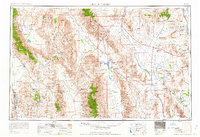 1961 Death Valley1961 Print · USGSDeath Valley and the Nevada borderlands are shown in the early sixties as a landscape of military testing and historic mining. Genealogists and researchers can locate remote settlements like Rhyolite, active operations at Darwin Mines, and cold-war sites such as the Nevada Proving Grounds.
 - 1964 Map of Death Valley
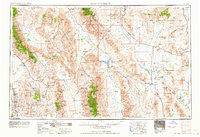 1964 Death Valley1964 Print · USGSThe California-Nevada borderlands are shown here in the mid-1960s, a landscape defined by extreme geography and strategic military testing. Researchers can locate remote mining sites like Skidoo Mines or trace the early tourist footprint at Stovepipe Wells Hotel.
 - 1965 Map of Death Valley
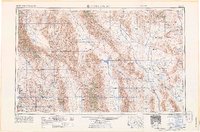 1965 Death Valley1965 Print · USGSThe California-Nevada borderlands are captured here in the mid-1960s, showing the high-desert transition from mining camps to military proving grounds. Researchers can locate remote settlements like Skidoo and Ballarat or trace the old Tonopah and Tidewater Railroad.
 - 1986 Map of Death Valley Junction
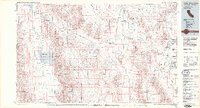 1986 Death Valley Junction1986 Print · USGSThe California-Nevada borderlands appear here in the mid-eighties, centered on the dramatic terrain of the Death Valley National Monument. Researchers can trace the path of the Tonopah and Tidewater Railroad (Abandoned) and locate remote outposts like Ryan and Bennetts Well.2 unique versions available
 - 1988 Map of Furnace Creek
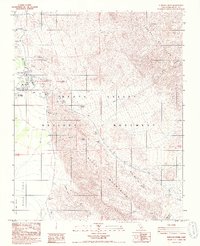 1988 Furnace Creek1988 Print · USGSInyo County’s high-desert history is detailed in the late eighties as tourism and legacy mining sites intersect. Researchers can trace the layout of the Indian Village, locate a historical Cem, and explore the grounds of the Harmony Borax Works (Ruins).2 unique versions available
 - 2012 Map of Furnace Creek, 2012 Print
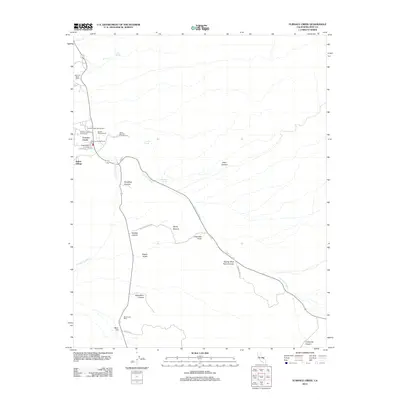 2012 Furnace Creek2012 Print · USGSThe arid heart of Death Valley is captured here in the early twenty-first century, centered on Furnace Creek Ranch. Trace the paths of early industry and exploration through Harmony Borax Works, Twenty Mule Team Canyon, and the springs that sustain Indian Village.
 - 2015 Map of Furnace Creek, 2015 Print
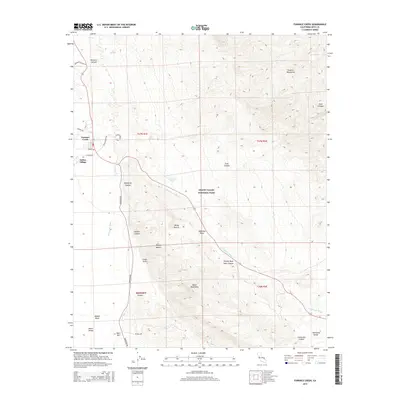 2015 Furnace Creek2015 Print · USGSFurnace Creek and the surrounding desert floor are captured here in the early twenty-first century, centering on the vital springs and washes of the basin. Researchers can trace local landmarks like Indian Village, Zabriskie Point, and the path of Twenty Mule Team Canyon.
 - 2018 Map of Furnace Creek, 2018 Print
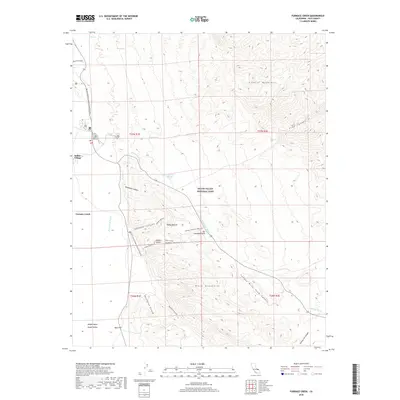 2018 Furnace Creek2018 Print · USGSThe heart of Death Valley is captured here in the late 2010s, showcasing the intersection of desert survival and tourism. Researchers can trace historic routes through Twenty Mule Team Canyon and locate landmarks like Indian Village and Zabriskie Point.
 - 2021 Map of Furnace Creek, 2021 Print
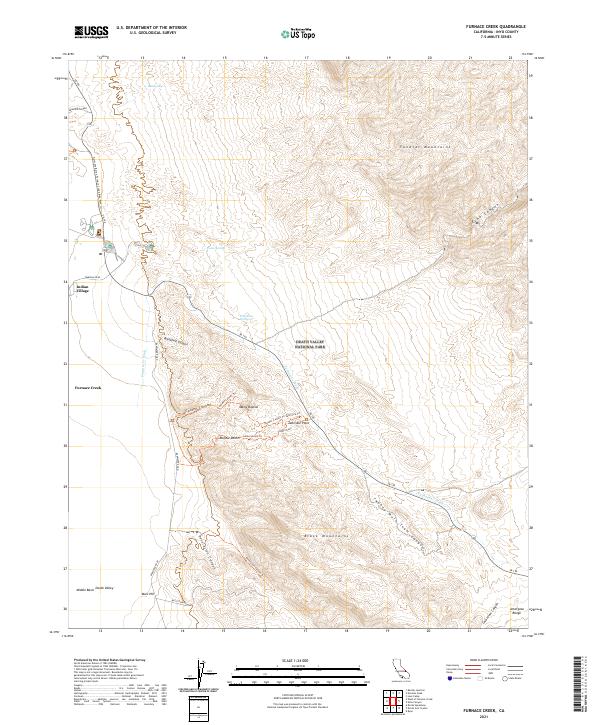 2021 Furnace Creek2021 Print · USGSFurnace Creek at the start of the 2020s shows the critical intersection of desert springs and geological history in the heart of the basin. Researchers can trace the layout of Indian Village and follow historical routes through Twenty Mule Team Canyon and past Zabriskie Point.
End of results
Showing maps 1-17 of 17
Top cities near Furnace Creek
Frequently asked questions
- What are the different types of historical maps available for Furnace Creek?
- What is the oldest map of Furnace Creek?
- Where can I purchase historical maps of Furnace Creek for my home or office?
- Where can I download high-res historical maps of Furnace Creek?
- Are there historical topographic maps available for Furnace Creek?
- Is there historical aerial imagery available for Furnace Creek?
- Where are historical maps of Furnace Creek sourced from?