Old Maps of Stanton, California for Hiking & Exploration
Hike through history with 47 historic maps of Stanton. Explore old trails, ghost towns, and forgotten backroads — perfect for outdoor adventurers and local explorers.
- Rediscover forgotten places: Map out old mining camps, roads, and footpaths that no longer exist on modern maps.
- Layer with modern tools: Combine with LiDAR or satellite views to plan hikes through historical terrain.
- Made for exploration: Popular among hikers, overlanders, and local history lovers.
Use these maps to find adventure and explore the hidden past of Stanton.
Stanton, CA maps
(47)- 1896 Map of Anaheim
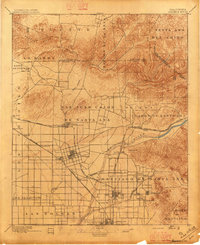 1896 Anaheim1896 Print · USGSThe Orange County basin appears here in the mid-1890s, when iron rails first connected the young citrus towns to the wider world. Genealogists and researchers can trace the early grids of Anaheim, Fullerton, and Orange alongside now-obscure rail stops like Almond and Marlboro.
 - 1896 Map of Downey
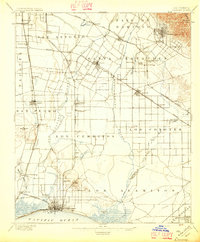 1896 Downey1896 Print · USGSThe Los Angeles Basin was a landscape of vast ranchos and emerging rail towns in the 1890s. Genealogists and historians can trace the early footprints of Downey and Whittier, alongside unique landmarks like the Poor Farm Sta. and Fulton Wells.
 - 1898 Map of Anaheim, 1899 Print
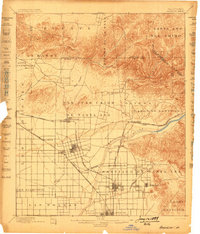 1898 Anaheim1899 Print · USGSNorthern Orange County is captured here at the height of its citrus and rail era. Genealogists and local historians can trace the early footprints of Anaheim, Fullerton, and Orange, alongside smaller vanished stops like McPherson and Almond.
 - 1899 Map of Downey
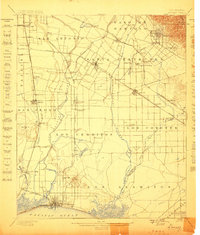 1899 Downey1899 Print · USGSCoastal Los Angeles County at the close of the nineteenth century reveals a landscape of massive ranchos being carved into early townships. Genealogists can trace family roots through historic rail stops like Obed Bell Sta. and vanished settlements like Spanishtown or Nadeau Park.
 - 1901 Map of Southern California Sheet No. 1
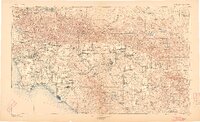 1901 Southern California Sheet No. 11901 Print · USGSGreater Los Angeles at the dawn of the twentieth century is a landscape of growing citrus towns and a burgeoning rail network. Genealogists and historians can trace the early gridded streets of Hollywood and Pasadena or locate landmarks like Bear Lake and the Cahuilla Indian Reservation.6 unique versions available
 - 1901 Map of Anaheim
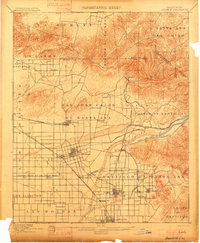 1901 Anaheim1901 Print · USGSOrange County's citrus and rail heartland is meticulously detailed at the start of the century, showing the early layouts of Anaheim and Fullerton. Genealogists can trace early homesteads and rail stops like Loara, Miraflores, and Olinda.6 unique versions available
 - 1902 Map of Downey
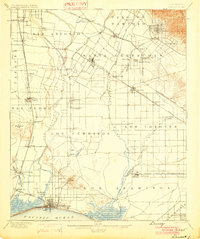 1902 Downey1902 Print · USGSThe Los Angeles coastal plain at the turn of the century shows a network of early citrus towns and Spanish rancho boundaries. Trace the development of the river system and rail stops like Poor Farm Sta., Fulton Wells, and the growing community of Whittier.9 unique versions available
 - 1902 Map of Corona
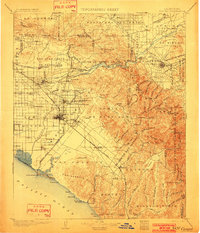 1902 Corona1902 Print · USGSThe Orange County and Riverside borderlands at the start of the 1900s show an era of rapid rail expansion and water engineering. Researchers can trace the early footprints of Anaheim and Orange or find vanished industry at the Santiago Coal Mine.7 unique versions available
 - 1904 Map of Southern California Sheet No. 1, 1905 Print
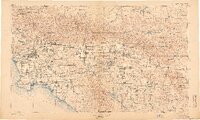 1904 Southern California Sheet No. 11905 Print · USGSSouthern California at the dawn of the twentieth century shows a landscape of citrus groves and coastal towns connected by rail. Genealogists and historians can trace early settlements like San Juan Capistrano, find remote sites like the Rose Mine, and study the original water systems of the Santa Ana River.2 unique versions available
 - 1923 Map of Artesia
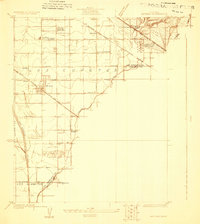 1923 Artesia1923 Print · USGSSoutheast Los Angeles and Orange County appear here in the early twenties, showing a rural landscape transitioning into an industrial and oil-producing corridor. Researchers can trace the early footprints of Artesia and Los Alamitos, alongside vanished landmarks like the C Julian Tank Farm and the Bloomfield School.
 - 1925 Map of Artesia
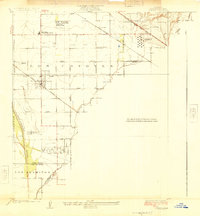 1925 Artesia1925 Print · USGSThe dairy and oil lands of Los Angeles and Orange Counties are captured here in the mid-twenties as the rail lines were expanding. Researchers can trace the path of the Pacific Electric or locate local landmarks like Artesia Cemetery and the C G Julian Tank Farm.2 unique versions available
 - 1935 Map of Los Alamitos
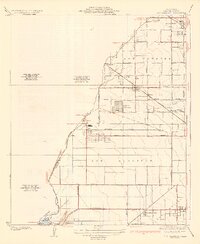 1935 Los Alamitos1935 Print · USGSOrange County's coastal plain is captured in the mid-thirties as rural ranch lands began to yield to industrial expansion. Genealogists and researchers can trace early settlements like Los Alamitos and Buena Park or locate landmarks like the Texas Oil Tank Farm.2 unique versions available
 - 1935 Map of Garden Grove
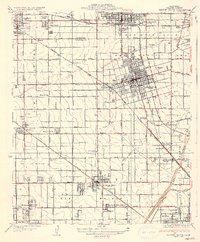 1935 Garden Grove1935 Print · USGSOrange County's citrus heartland is captured here in the mid-1930s, showing a grid of groves and rail lines. Trace family history at Colonia Manzanillo, find the Anaheim Cem, or locate the old Fullerton Landing Field.3 unique versions available
 - 1942 Map of Downey
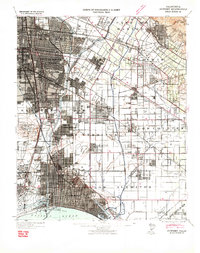 1942 Downey1942 Print · USGSThe Los Angeles Basin and North Orange County appear here during the wartime boom, showcasing a landscape transitioning from ranchos to suburbs. Trace the historic Pacific Electric rail lines, the oil fields of Santa Fe Springs, and early settlements like Hynes and Studebaker.
 - 1942 Map of Anaheim
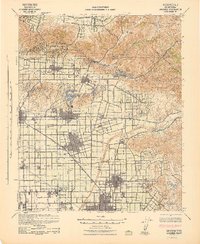 1942 Anaheim1942 Print · USGSOrange County's agricultural heart is captured mid-century during a period of rapid wartime development. Genealogists can locate family landmarks like Diamond Bar Ranch, local schools such as Alamitos Sch, and communities like Garden Grove or Stanton.2 unique versions available
 - 1943 Map of San Pedro
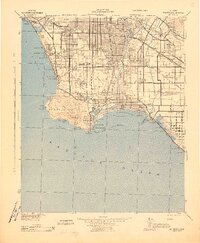 1943 San Pedro1943 Print · USGSThe South Bay and Los Angeles Harbor area appear here during the Second World War, showing a landscape of burgeoning industry and aviation. Trace wartime infrastructure and local landmarks like Hughes Airport, Terminal Island, and Inglewood Park Cem.
 - 1943 Map of Downey, 1963 Print
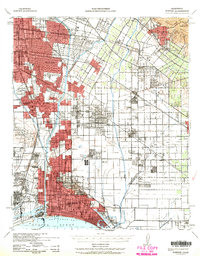 1943 Downey1963 Print · USGSSoutheast Los Angeles County and northern Orange County appear here at the height of the mid-century boom. Researchers can trace the massive rail infrastructure of the Pacific Electric and locate landmarks like the County Hospital and Signal Hill.2 unique versions available
 - 1945 Map of Artesia
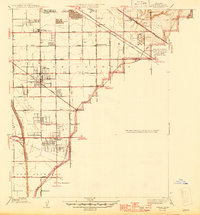 1945 Artesia1945 Print · USGSSoutheast Los Angeles County is captured here during the final stages of its agricultural era. Genealogists and researchers can trace family lands near Artesia, locate the Excelsior Union High School, and follow the Pacific Electric rail lines.
 - 1947 Map of Santa Ana, 1949 Print
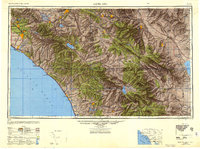 1947 Santa Ana1949 Print · USGSSouthern California is depicted here in the late forties, showing the expansion of the Inland Empire and the Orange County coast. Researchers can trace the early layout of Palm Springs or locate long-standing tribal lands like the Pala Indian Reservation and Rincon Indian Res.
 - 1949 Map of Long Beach
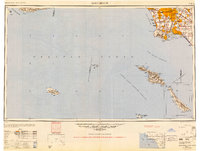 1949 Long Beach1949 Print · USGSSouthern California at the start of the post-war boom shows the rapid development of the Los Angeles basin and the South Bay. Genealogists and historians can trace the evolution of early suburbs like Gardena and Lynwood or the coastal defenses at Ft MacArthur Lower Reservation.2 unique versions available
 - 1949 Map of Santa Ana
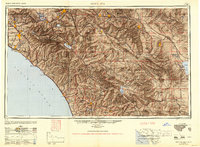 1949 Santa Ana1949 Print · USGSSouthern California underwent a profound transformation in the late 1940s as military installations and citrus groves shared the landscape. Researchers can trace early coastal growth at Laguna Beach, military history at Camp Pendleton, and the rail corridors of the Pacific Electric.
 - 1949 Map of Anaheim, 1956 Print
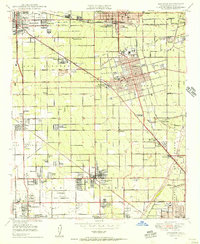 1949 Anaheim1956 Print · USGSMid-century Orange County is caught in transition from vast groves to suburban centers just before the arrival of major theme parks. Researchers can trace the legacy of local agriculture and early aviation at Haster Field, Colonia Independencia, and the POW Camp (Aband).
 - 1949 Map of Los Alamitos, 1957 Print
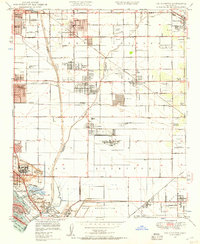 1949 Los Alamitos1957 Print · USGSCoastal California is captured in its post-war transition as old ranch lands give way to suburban growth and aviation. Trace family roots at the Artesia Cem or explore the mid-century industrial footprint of the Naval Reservation and the Oil Tank Farm.2 unique versions available
 - 1950 Map of Anaheim
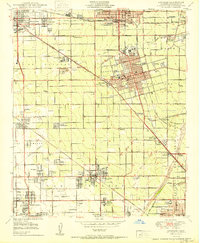 1950 Anaheim1950 Print · USGSPost-war Orange County flourishes here, showing the growth of central citrus hubs before the freeway era. Genealogists can trace family names at Anaheim Cemetery or find historic labor enclaves like Colonia Independencia and Colonia Manzanillo.
 - 1950 Map of Los Alamitos
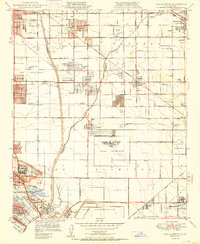 1950 Los Alamitos1950 Print · USGSCoastal Southern California is captured here in the mid-century as citrus groves and ranches gave way to defense facilities and new suburbs. Researchers can trace the development of Hawaiian Gardens or locate family history at Artesia Cem and the Pioneer Sch.
Showing maps 1-25 of 47
Top cities near Stanton
- Los Angeles historical maps
- Long Beach historical maps
- Anaheim historical maps
- Santa Ana historical maps
- Irvine historical maps
- Huntington Beach historical maps
See more
Top neighborhoods of Stanton
Frequently asked questions
- What are the different types of historical maps available for Stanton?
- What is the oldest map of Stanton?
- Where can I purchase historical maps of Stanton for my home or office?
- Where can I download high-res historical maps of Stanton?
- Are there historical topographic maps available for Stanton?
- Is there historical aerial imagery available for Stanton?
- Where are historical maps of Stanton sourced from?