Old Maps of Lodi, California for Genealogy
Trace your family roots with 46 historic maps of Lodi. These high-res maps reveal old neighborhoods, homesites, landmarks, and streets — helping you uncover where your ancestors lived and how the area evolved over time.
- Explore historic neighborhoods: Identify where your relatives may have lived in the 1800s or 1900s.
- Compare maps over time: Trace the changes in streets, buildings, and landmarks for multi-generational research.
- Perfect for genealogy & ancestry research: Used by family historians and researchers to map out lineage and migration.
These maps are an incredible resource for exploring your personal connection to Lodi's past.
Lodi, CA maps
(46)- 1894 Map of Lodi
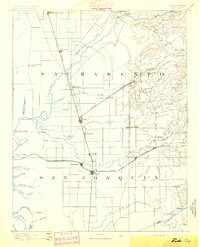 1894 Lodi1894 Print · USGSThe northern Central Valley and Sierra foothills come alive in the late nineteenth century as railroads reshape the landscape. Local historians can trace early transit hubs like Lodi and Galt alongside rural landmarks like Alabama House and Michigan Bar.3 unique versions available
 - 1908 Map of Waterloo
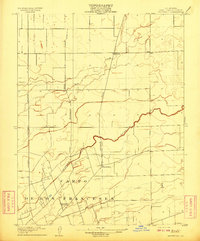 1908 Waterloo1908 Print · USGSSan Joaquin County at the start of the twentieth century shows a landscape shaped by Mexican land grants and early rail. Trace the historic Campo De Los Franceses boundary, the Central California Traction line, and Greenwood School.2 unique versions available
 - 1908 Map of Lockeford
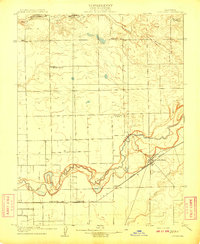 1908 Lockeford1908 Print · USGSLockeford and the surrounding San Joaquin County plains are shown here at the peak of the rail era. Genealogists can locate family ties at Telegraph School or Brunswick School, and trace the path of the Southern Pacific RR.2 unique versions available
 - 1910 Map of Castle
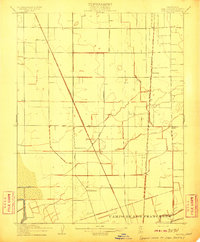 1910 Castle1910 Print · USGSThe northern San Joaquin Valley was a landscape of transit and territory during the first decade of the twentieth century. Genealogists and historians can trace the exact routes of Cherokee Lane and the legacy of the Campo De Los Franceses land grant.2 unique versions available
 - 1910 Map of Woodbridge
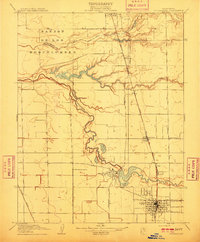 1910 Woodbridge1910 Print · USGSSan Joaquin and Sacramento counties are captured here at the height of their early rail-and-river era. Genealogists and historians can trace the early streets of Lodi, the riverside blocks of Woodbridge, and rural landmarks like North School and Tracy Lake.2 unique versions available
 - 1910 Map of Headreach
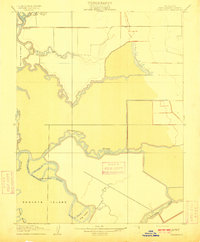 1910 Headreach1910 Print · USGSThe California Delta's intricate waterway network is revealed in this 1910 survey, showcasing the early landscape of San Joaquin County. Trace the river economy through landings like Terminous and Headreach Landing or the winding paths of Potato Slough and White Slough.2 unique versions available
 - 1939 Map of Lodi, 1957 Print
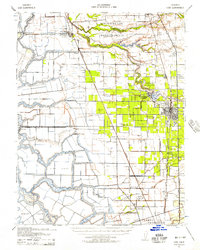 1939 Lodi1957 Print · USGSThe San Joaquin Delta during the late 1930s shows a landscape of reclaimed islands and a bustling rail-and-river economy. Genealogists and historians can trace old rural school districts like Ray District Sch and landmarks such as the New Hope Migratory Labor Camp.2 unique versions available
 - 1939 Map of Bellota, 1958 Print
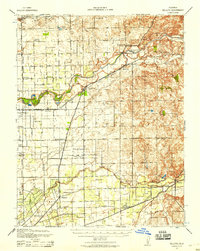 1939 Bellota1958 Print · USGSThis late 1930s survey of the San Joaquin Valley captures a landscape of fertile river bottoms and emerging rail corridors. Genealogists and historians can trace numerous rural schoolhouses and rail stops like Lockeford, Elliott, and the Central California Traction line.2 unique versions available
 - 1942 Map of Bellota
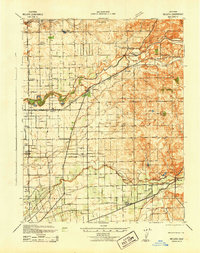 1942 Bellota1942 Print · USGSSan Joaquin County agriculture and rail systems are in full view during the early 1940s. Trace family roots through many rural schoolhouses like Bruella Sch and early settlements such as Dogtown, Lockeford, and Bellota.
 - 1942 Map of Lodi
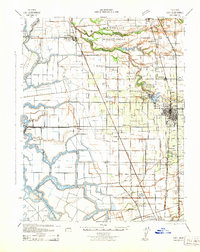 1942 Lodi1942 Print · USGSThe San Joaquin delta region thrives as a complex network of reclaimed islands and sloughs in the early 1940s. Genealogists and historians can trace the foundations of local society through Thornton Migratory Labor Camp, Liberty School, and the busy Mokelumne River landings.
 - 1947 Map of Sacramento, 1948 Print
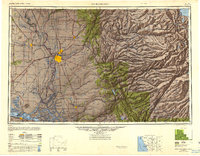 1947 Sacramento1948 Print · USGSThe Sacramento Valley meets the high Sierra during a period of post-war expansion. Trace the historic river delta islands like Grand Island or locate early airfield footprints at McClellan Air Force Base and Mather Air Force Base.2 unique versions available
 - 1948 Map of Sacramento, 1951 Print
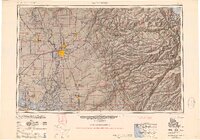 1948 Sacramento1951 Print · USGSPost-war Northern California comes alive in this regional survey, capturing the era of expansion between the Central Valley and the High Sierra. Researchers can trace the rail networks of the Central California Traction and Sacramento Northern RR or locate landmarks like the State Capitol and University of California Davis.
 - 1952 Map of Terminous, 1953 Print
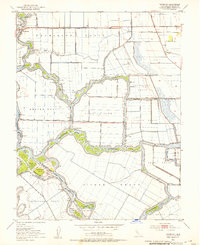 1952 Terminous1953 Print · USGSThe California Delta’s intricate water-and-tract system is captured here in the early fifties, showing a landscape shaped by reclaimed land and river transport. Researchers can trace the legacy of delta farming and infrastructure through features like Terminous, the Western Pacific line, and the Venice School.3 unique versions available
 - 1953 Map of Lodi North
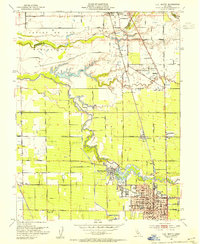 1953 Lodi North1953 Print · USGSNorthern San Joaquin County agriculture is captured here in the early fifties as the region's viticulture and rail networks flourished. Researchers can trace the layout of Lodi, find the Lafayette Sch (Abandoned), or follow the Southern Pacific through Acampo.2 unique versions available
 - 1953 Map of Waterloo, 1954 Print
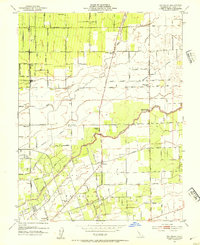 1953 Waterloo1954 Print · USGSThe San Joaquin Valley east of Stockton thrived as an agricultural powerhouse in the early fifties. Genealogists and historians can trace old homesteads and rural school sites like Harmony Grove School and Delphi School, or follow the Central California Traction rail line.2 unique versions available
 - 1953 Map of Lockeford, 1954 Print
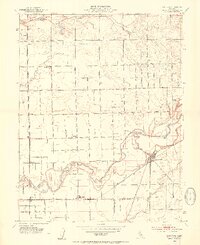 1953 Lockeford1954 Print · USGSSan Joaquin County agriculture is in full swing during the early fifties, centered on the river-bend settlements of the Mokelumne Valley. Researchers can trace the path of the Central California Traction railroad and locate family landmarks like Locke Cem and the Bruella Sch.2 unique versions available
 - 1953 Map of Lodi South, 1955 Print
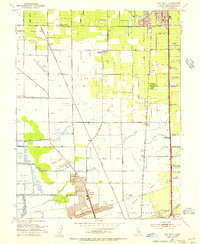 1953 Lodi South1955 Print · USGSSan Joaquin County undergoes a post-war transition in the early fifties as Stockton's northern suburbs meet Lodi's agricultural heartland. Researchers can trace the legacy of local schools like Elkhorn Sch and Live Oak School or find industrial markers like the Tom Cannery and MOKELUMNE AQUEDUCT.2 unique versions available
 - 1956 Map of Sacramento
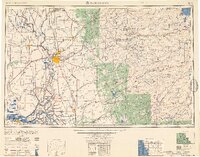 1956 Sacramento1956 Print · USGSMid-century California unfolds from the delta to the high Sierra, capturing a landscape of growing valley cities and burgeoning military airbases. Genealogists and historians can trace the rail lines and river towns from Woodland to Lodi, or explore the foothill settlements of Placerville and Jackson.2 unique versions available
 - 1957 Map of Sacramento, 1966 Print
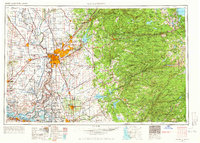 1957 Sacramento1966 Print · USGSIn the mid-twentieth century, the California heartland was a hub of river transport, rail lines, and military airbases. Genealogists and historians can trace the development of Gold Country towns like Angels Camp and Sonora or follow the path of the Southern Pacific RR through the growing suburbs of Sacramento.4 unique versions available
 - 1968 Map of Lodi North, 1972 Print
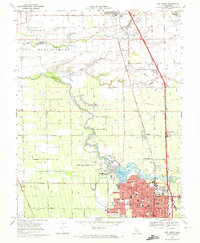 1968 Lodi North1972 Print · USGSSan Joaquin County agriculture and the city of Lodi thrive in the late sixties as the region's rail and irrigation networks reach full maturity. Researchers can locate vanished rural landmarks and family sites like Houston School, Liberty Cemetery, and Linds Airport.2 unique versions available
 - 1968 Map of Lodi South, 1972 Print
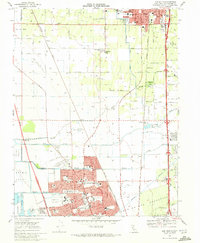 1968 Lodi South1972 Print · USGSThe agricultural heart of San Joaquin County is captured here in the late sixties as suburban expansion reaches northward from Stockton. Trace family roots and local history through features like Lodi Academy, Henderson Village, and the Micke Grove County Park.3 unique versions available
 - 1968 Map of Waterloo, 1972 Print
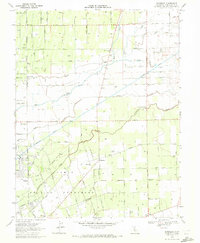 1968 Waterloo1972 Print · USGSSan Joaquin County agriculture and water infrastructure are in focus here during the late sixties. Researchers can trace rural school locations like Waterloo Sch and the Jack Tone Homestead Historical Marker near the Mokelumne Aqueduct.3 unique versions available
 - 1968 Map of Lockeford, 1972 Print
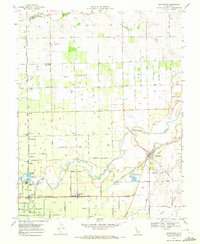 1968 Lockeford1972 Print · USGSSan Joaquin County agriculture is in full bloom in the late sixties, centered on the vital corridor of the Mokelumne River. Researchers can trace the rail-and-river economy through the streets of Lockeford, locating Locke Cem and old school sites like Bruella Sch.3 unique versions available
 - 1978 Map of Terminous
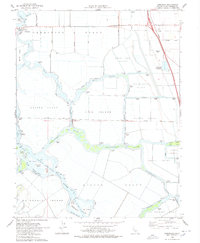 1978 Terminous1978 Print · USGSThe San Joaquin Delta in the late seventies is a complex network of island tracts and deep-water shipping lanes. Genealogists and historians can trace local landmarks like the Venice King Sch, the settlement of Terminous, and the Paradise Point landing.2 unique versions available
 - 1993 Map of Lodi, 1994 Print
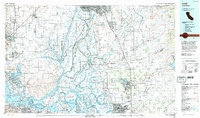 1993 Lodi1994 Print · USGSNorthern California's delta country and the growing Central Valley corridors are captured here in the early nineties. Genealogists and historians can trace the intricate island tracts, old railroad lines like the Sacramento Northern RR, and established local landmarks including the Lodi Memorial Cemetery and University of the Pacific.2 unique versions available
Showing maps 1-25 of 46
Top cities near Lodi
Top neighborhoods of Lodi
Frequently asked questions
- What are the different types of historical maps available for Lodi?
- What is the oldest map of Lodi?
- Where can I purchase historical maps of Lodi for my home or office?
- Where can I download high-res historical maps of Lodi?
- Are there historical topographic maps available for Lodi?
- Is there historical aerial imagery available for Lodi?
- Where are historical maps of Lodi sourced from?