Old Maps of Las Cruces, California for Metal Detecting
Plan your next treasure hunt with 19 historic maps of Las Cruces. Find old homesites, ghost towns, trails, and gathering spots that may be lost to time — perfect for identifying promising metal detecting locations.
- Locate forgotten sites: Uncover places like long-lost settlements, abandoned rail lines, or gathering spots.
- Plan better hunts: Use map overlays combined with LiDAR or satellite views to narrow in on historically rich areas.
- Made for detectorists: Thousands of hobbyists use these maps to discover relics, coins, and hidden history.
Use these historic maps to boost your research and find new opportunities beneath the surface of Las Cruces.
Las Cruces, CA maps
(19)- 1905 Map of Lompoc
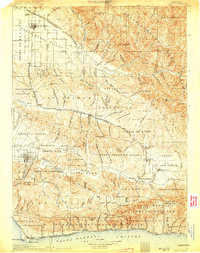 1905 Lompoc1905 Print · USGSSanta Barbara County at the turn of the century reveals a landscape of historic ranchos and early industry before the rise of modern development. Researchers can trace the early Pacific Coast RR and locate heritage sites like Santa Ynez Mission and the Union Oil Wells.7 unique versions available
 - 1942 Map of Lompoc
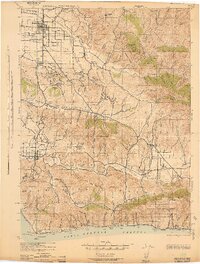 1942 Lompoc1942 Print · USGSSanta Barbara County at the start of World War II reveals a landscape of missions, ranching, and coastal rail. Researchers can trace the Pacific Coast Railroad, locate historic schools like Sisquoc Sch, and find the remote Asphaltum Mine.
 - 1942 Map of Los Olivos, 1958 Print
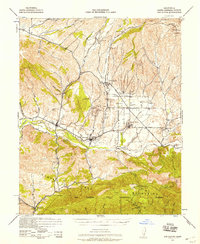 1942 Los Olivos1958 Print · USGSSanta Barbara County’s inland ranching country is captured during the early 1940s as the Santa Ynez Valley flourished with historic estates and mission-era heritage. Genealogists and historians can trace family properties like Barnum Ranch or San Lucas Ranch and locate early landmarks such as the Santa Ynez Mission and Midland Sch.
 - 1943 Map of Los Olivos
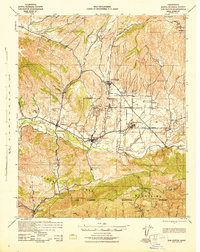 1943 Los Olivos1943 Print · USGSThe Santa Ynez Valley in the early 1940s is captured here as a landscape of historic ranchos and developing townships. Researchers can trace the layout of Solvang, find the Santa Ynez Mission, and locate rural landmarks like Midland Sch and Alisal Ranch.
 - 1943 Map of Lompoc
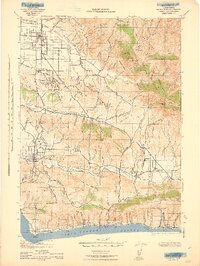 1943 Lompoc1943 Print · USGSCoastal Santa Barbara County appears in the early 1940s as a land of historic missions, early oil and asphalt mining, and rugged mountain ranges. Researchers can trace the PACIFIC COAST RAILROAD, locate schools like Tepusquet Sch, and explore the grounds of Mission La Purisima.
 - 1948 Map of Santa Maria
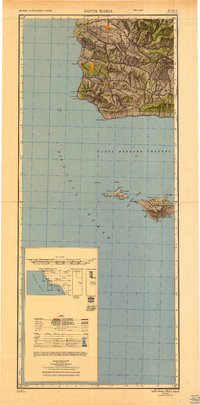 1948 Santa Maria1948 Print · USGSSanta Barbara County in the late 1940s reveals a landscape of coastal defense and valley agriculture. Genealogists and historians can trace the footprint of Camp Cooke Military Reservation or locate rural landmarks like Honda School and Betteravia.2 unique versions available
 - 1956 Map of Santa Maria, 1973 Print
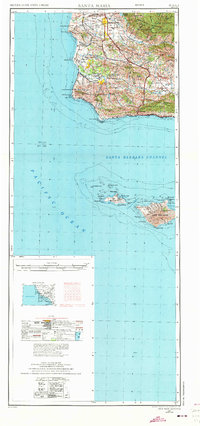 1956 Santa Maria1973 Print · USGSThe Central Coast landscape at the height of the Cold War reveals a mix of aerospace expansion and historic ranching towns. Trace the early footprint of Vandenberg AFB or locate coastal rail stops like Surf and the mission site at La Purisima Mission State Park.2 unique versions available
 - 1957 Map of Santa Maria
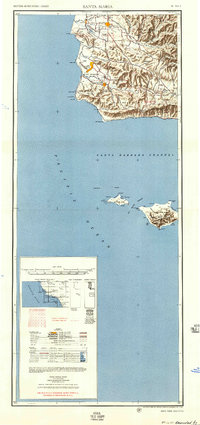 1957 Santa Maria1957 Print · USGSCoastal Santa Barbara County is captured here during the mid-fifties, showing a landscape defined by military installations and petroleum production. Researchers can trace the Southern Pacific rail line and locate rural landmarks like Honda School, Betteravia, and the John Manville Plant.
 - 1958 Map of Santa Maria
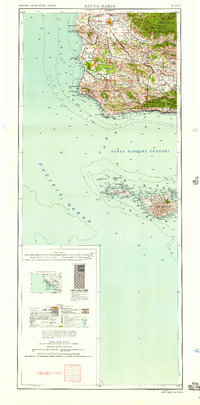 1958 Santa Maria1958 Print · USGSThe Central Coast in the mid-fifties reveals a landscape shaped by military expansion and historic ranching towns. Researchers can trace the Southern Pacific railroad through Betteravia and Guadalupe, or explore the early layout of Camp Cooke Military Reservation.
 - 1959 Map of Solvang, 1960 Print
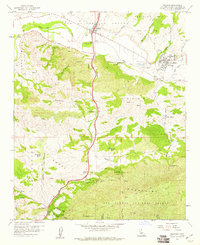 1959 Solvang1960 Print · USGSThe Santa Ynez Valley is captured here in the late fifties, showcasing the early growth of Solvang alongside historic ranching estates. Researchers can trace the original footprint of Mission Santa Ines and the winding course of U.S. Route 101 as it climbs toward Nojoqui Summit.4 unique versions available
 - 1959 Map of Los Olivos, 1962 Print
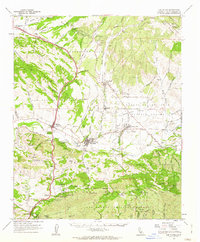 1959 Los Olivos1962 Print · USGSSanta Barbara County’s ranching heartland is captured here in the late fifties, showing the historic missions and land grants of the Santa Ynez Valley. Researchers can trace the layout of early Solvang and Los Olivos or locate family landmarks like Las Cruces Ranch and the Mission Santa Ines Ruins.
 - 1962 Map of Santa Maria
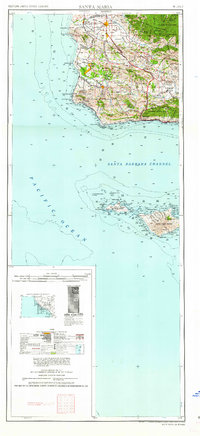 1962 Santa Maria1962 Print · USGSCoastal Santa Barbara County and its offshore islands are shown here during the early years of the Space Age. Researchers can trace the rail corridor of the Southern Pacific or locate local landmarks like Los Coches Mine and Solvang.
 - 1982 Map of Santa Maria, 1983 Print
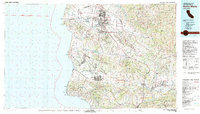 1982 Santa Maria1983 Print · USGSSanta Barbara County in the early eighties shows the expansion of the Central Coast, from the military grounds of the shoreline to the inland valleys. You can trace the Southern Pacific rail lines and locate landmarks like Betteravia, Los Alamos, and the La Purisima Mission State Historical Mon.2 unique versions available
 - 1989 Map of Santa Maria, 1991 Print
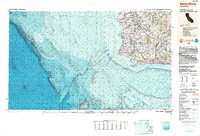 1989 Santa Maria1991 Print · USGSThe Central Coast in the late eighties reveals a landscape of massive coastal installations and deep-rooted agricultural valleys. Genealogists and researchers can trace the Southern Pacific line through Guadalupe or locate landmarks like Betteravia and the La Purisima Mission State Historical Monument.
 - 1995 Map of Solvang, 2000 Print
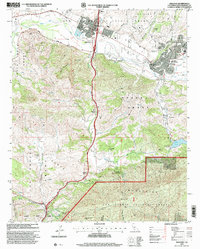 1995 Solvang2000 Print · USGSThe Santa Ynez Valley in the mid-nineties shows a unique transition from historic Spanish land grants to modern community life. Researchers can trace family-named estates and landmarks like Alisal Ranch, the historic Mission Santa Ines, and the junction at Las Cruces.
 - 2012 Map of Solvang, 2012 Print
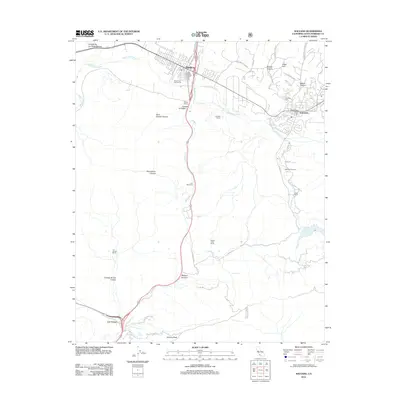 2012 Solvang2012 Print · USGSThe Santa Ynez Valley in the early 2010s shows a unique blend of heritage ranching and world-class viticulture. Researchers can trace the layout of Solvang, find local landmarks like Copenhagen Cellars, or locate rural sites such as Las Cruces and Nojoqui Falls.
 - 2015 Map of Solvang, 2015 Print
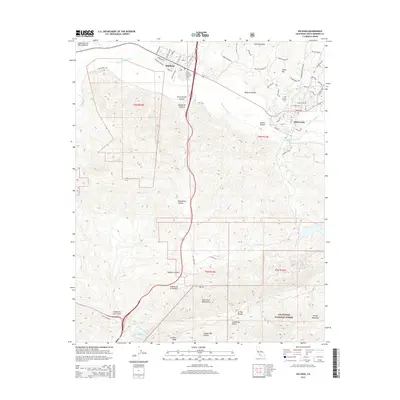 2015 Solvang2015 Print · USGSThe Santa Ynez Valley and the town of Solvang are shown during a period of sustained growth in the mid-2010s. Researchers can locate Solvang Cem and trace the complex topography of Ballard Canyon or the heights of Gaviota Peak.
 - 2018 Map of Solvang, 2018 Print
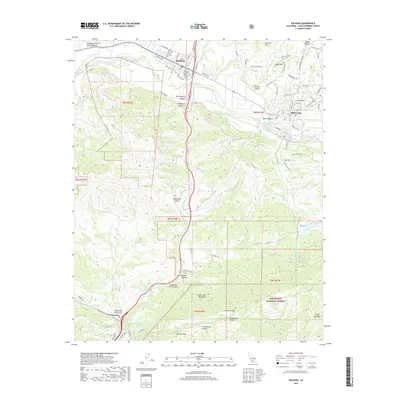 2018 Solvang2018 Print · USGSThe Santa Ynez Valley is captured in detail during its modern era of viticulture and tourism, centered on the unique Danish-inspired streets of Solvang. Genealogists and hikers can trace landmarks from Solvang Cem to Nojoqui Falls and the heights of Gaviota Peak.
 - 2021 Map of Solvang, 2021 Print
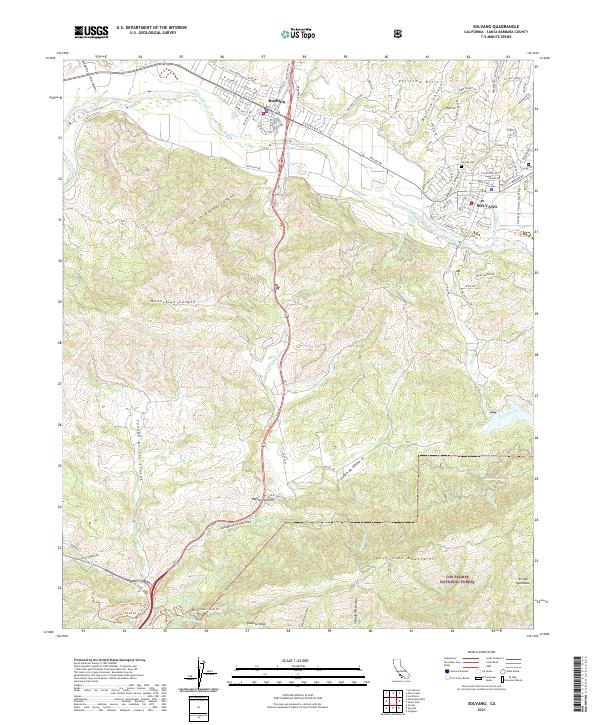 2021 Solvang2021 Print · USGSThe Santa Ynez Valley and the southern coast ranges come into focus during this modern era of Santa Barbara County geography. Researchers can trace the development of Solvang and Buellton or locate specific landmarks like Nojoqui Falls and Gaviota Peak.
End of results
Showing maps 1-19 of 19
Top cities near Las Cruces
- Lompoc historical maps
- Lompoc historical maps
- Solvang historical maps
- Santa Ynez historical maps
- Buellton historical maps
- Los Olivos historical maps
See more
Frequently asked questions
- What are the different types of historical maps available for Las Cruces?
- What is the oldest map of Las Cruces?
- Where can I purchase historical maps of Las Cruces for my home or office?
- Where can I download high-res historical maps of Las Cruces?
- Are there historical topographic maps available for Las Cruces?
- Is there historical aerial imagery available for Las Cruces?
- Where are historical maps of Las Cruces sourced from?