Old Maps of Mountain View, California for Academic Research
Study the evolution of Mountain View with 33 high-resolution historic maps. Whether you're teaching, researching, or modeling changes in land use, these maps provide essential visual documentation of urban, environmental, and geographic change.
- Analyze long-term change: Track patterns in development, transportation, and natural features.
- Ideal for environmental or urban studies: Support academic projects with primary historical map data.
- Use in the classroom or lab: Educators and researchers rely on these maps to bring historical context to life.
These maps are a powerful tool for teaching, research, and visualizing how Mountain View has changed over the decades.
Mountain View, CA maps
(33)- 1897 Map of Palo Alto
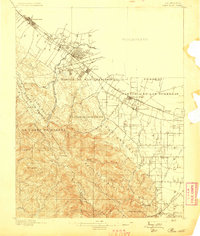 1897 Palo Alto1897 Print · USGSThe San Francisco Peninsula and Santa Clara Valley emerge in the late nineteenth century as academic and rail hubs. Trace the early footprints of Stanford University, the primary line of the Southern Pacific RR, and the transition of old ranchos like La Purisima Concepcion.
 - 1899 Map of Palo Alto
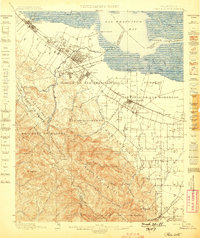 1899 Palo Alto1899 Print · USGSThe San Francisco Peninsula was entering a period of rapid development in the 1890s as railroad towns began to flourish around the new Stanford University campus. You can trace early property lines across Pastoria de las Borregas or locate nineteenth-century landings like Cooley Landing and Jagel Landing.11 unique versions available
 - 1902 Map of Santa Cruz
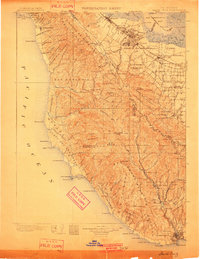 1902 Santa Cruz1902 Print · USGSCoastal California at the end of the Victorian era reveals a landscape of redwood forests, early university towns, and remote Pacific outposts. Genealogists and historians can trace the early rail corridors through Boulder Creek and Felton or locate coastal landmarks like Pigeon Point and Halfmoon Bay.9 unique versions available
 - 1941 Map of Palo Alto
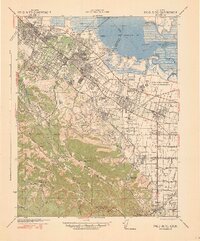 1941 Palo Alto1941 Print · USGSThe Peninsula and Santa Clara Valley are seen here in the early 1940s, just as the region began its mid-century transformation. Researchers can trace the layout of Stanford University, the military grounds of Moffett Field, and local landmarks like Flood Park.
 - 1943 Map of Palo Alto
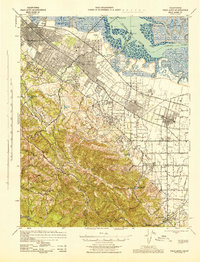 1943 Palo Alto1943 Print · USGSThe San Francisco Peninsula was still a region of orchards and academic outposts in the years following the Great Depression. Researchers can trace the development of early Silicon Valley through the Southern Pacific line and family landmarks like Duveneck Ranch and the Whisman Dist School.
 - 1947 Map of San Francisco, 1948 Print
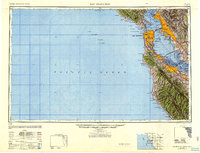 1947 San Francisco1948 Print · USGSThe Bay Area in the late 1940s reveals a region transitioning from wartime intensity to post-war suburban growth. Trace the historic rail lines of the Southern Pacific RR or locate early military footprints at Fort Funston and Moffett Field.
 - 1948 Map of San Francisco, 1951 Print
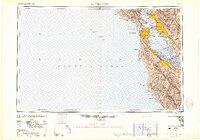 1948 San Francisco1951 Print · USGSThe Bay Area in the late 1940s reveals a landscape defined by rapid post-war growth and a heavy military presence at the Golden Gate. Trace the development of early trans-bay infrastructure like the Oakland-Bay Bridge and historic coastal defense sites such as Fort Funston and Alcatraz Island.
 - 1948 Map of Palo Alto, 1956 Print
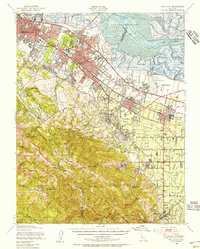 1948 Palo Alto1956 Print · USGSThe San Francisco Peninsula is captured here during its postwar transformation into a suburban and technological hub. Genealogists and local historians can trace early neighborhood boundaries near Stanford University, the sprawling Moffet Naval Air Station, and family landmarks like O'Neal Ranch.
 - 1953 Map of Mountain View, 1955 Print
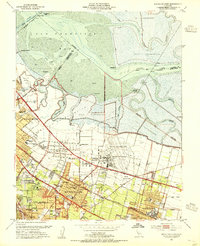 1953 Mountain View1955 Print · USGSThe South Bay shoreline and Peninsula communities are captured in the early fifties during a period of massive post-war growth. Researchers can trace the development of Mountain View and the expansive Moffett Field Naval Air Station alongside local landmarks like Castro City and Cooley Landing.2 unique versions available
 - 1953 Map of Cupertino, 1955 Print
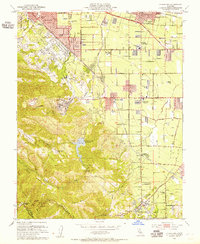 1953 Cupertino1955 Print · USGSThe Santa Clara Valley is seen here in the early fifties, still balanced between its agricultural roots and industrial growth. Genealogists and historians can trace the footprint of Loyola Corners, the historic Madronia Cem, and the massive Permanente Cement Plant.
 - 1955 Map of San Francisco
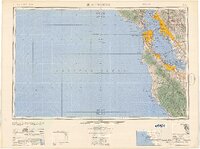 1955 San Francisco1955 Print · USGSThe San Francisco Bay Area and central coast are captured during the postwar boom as suburbs and infrastructure expanded rapidly. Trace the development of local communities and military installations like the Presidio and Fort Mason, or follow the Southern Pacific rail lines.
 - 1956 Map of San Francisco
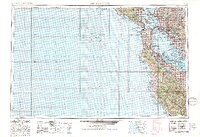 1956 San Francisco1956 Print · USGSThe San Francisco Bay Area is captured in the mid-fifties, showing a landscape of rapid post-war growth and massive military installations. Researchers can trace the sprawling rail lines of the Southern Pacific and locate historic sites like Stanford University or the Hunters Point Naval Shipyard.4 unique versions available
 - 1957 Map of San Francisco
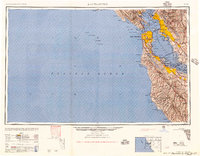 1957 San Francisco1957 Print · USGSThe Bay Area in the mid-fifties reveals a rapidly growing metropolitan landscape connected by its iconic spans and rail networks. Researchers can trace the layout of military sites like the Presidio and the extent of the Southern Pacific and Western Pacific railroads.
 - 1960 Map of San Francisco
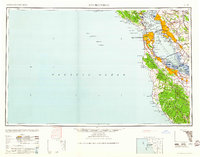 1960 San Francisco1960 Print · USGSThe San Francisco Bay Area at the start of the sixties reveals a landscape of rapid expansion and critical infrastructure. Researchers can trace the development of East Bay communities like Russell City and Mt Eden or locate early rural landmarks like Alpine School.
 - 1961 Map of Mountain View
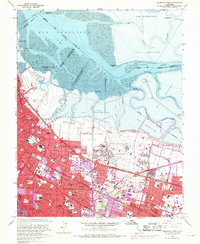 1961 Mountain View1961 Print · USGSThe South Bay shoreline and Peninsula suburbs undergo rapid mid-century growth in this detailed record. Genealogists and local historians can trace the development of Mountain View and Sunnyvale alongside landmarks like Moffett Field and Alta Mesa Cem.5 unique versions available
 - 1961 Map of San Francisco
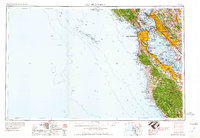 1961 San Francisco1961 Print · USGSThe Bay Area at the dawn of the 1960s reveals a landscape of growing cities and massive Cold War military installations. Genealogists and historians can trace the mid-century urban footprint from Berkeley to San Mateo, while locating landmarks like the Presidio, Alcatraz Island, and Moffett Field Air Station.
 - 1961 Map of Cupertino, 1962 Print
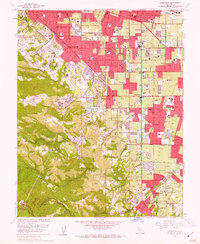 1961 Cupertino1962 Print · USGSSanta Clara County is in the midst of its mid-century transformation from orchards to an urban hub during the early sixties. Genealogists and researchers can trace local landmarks like Loyola Corners, the sprawling Cement Plant, and historic schools from Fremont High Sch to Monta Vista.7 unique versions available
 - 1961 Map of Palo Alto, 1963 Print
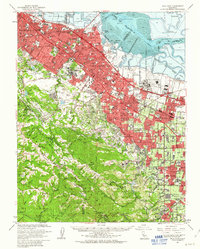 1961 Palo Alto1963 Print · USGSThe mid-century Santa Clara Valley comes into focus here as early tech and aerospace hubs began transforming the peninsula. Genealogists and researchers can trace local institutions and schools like STANFORD UNIVERSITY, Alta Mesa Cem, and NAVAL AIR STATION MOFFETT FIELD.3 unique versions available
 - 1964 Map of San Francisco
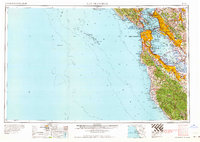 1964 San Francisco1964 Print · USGSThe Bay Area in the mid-sixties shows a region of rapid suburban expansion and major military installations. Researchers can trace the development of the South Bay near Stanford University or locate family plots in the historic Cypress Lawn Cem and Holy Cross Cem.
 - 1971 Map of San Francisco
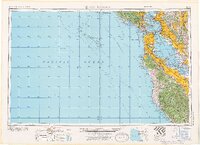 1971 San Francisco1971 Print · USGSThe San Francisco Bay Area at the start of the 1970s is shown here as a dense network of aerospace hubs, naval bases, and expanding suburbs. Researchers can trace the mid-century footprint of Stanford University, the industrial Salt Evaporators, and the Southern Pacific rail lines.
 - 1982 Map of Palo Alto, 1983 Print
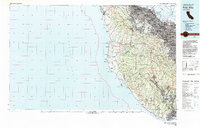 1982 Palo Alto1983 Print · USGSThe Santa Cruz Mountains and the Peninsula's bayshore are captured here in the early eighties as tech-driven growth reshaped the valley. Researchers can trace the sprawling grounds of Stanford University or explore coastal landmarks like the Pigeon Point Lighthouse.2 unique versions available
 - 1985 Map of San Francisco, 1989 Print
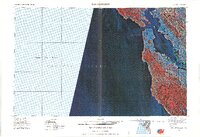 1985 San Francisco1989 Print · USGSThe Bay Area is captured in the mid-1980s through experimental Landsat satellite imagery, offering a unique technological perspective of the California coast. Trace the urban boundaries of San Francisco and Alameda against the San Francisco Bay and Lorenzo.
 - 1991 Map of Cupertino, 1995 Print
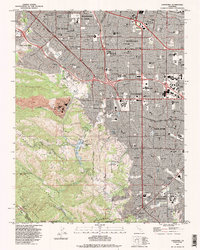 1991 Cupertino1995 Print · USGSSilicon Valley neighborhoods meet the mountain foothills in the early nineties as residential expansion fills the landscape. Researchers can locate established landmarks like the Madronia Cem, St Joseph Seminary, and the industrial Cement Plant.2 unique versions available
 - 1991 Map of Mountain View, 1995 Print
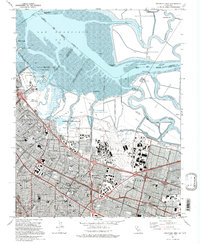 1991 Mountain View1995 Print · USGSThe Silicon Valley shoreline in the early nineties shows a landscape of industrial salt production and Cold War era aviation. Trace the boundaries of Naval Air Station Moffett Field and the historic route of El Camino Real through Mountain View and Sunnyvale.2 unique versions available
 - 1997 Map of Mountain View, 1999 Print
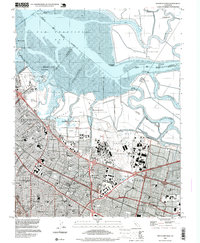 1997 Mountain View1999 Print · USGSThe South Bay shoreline and its growing suburban centers are captured here in the late nineties, from Palo Alto to Sunnyvale. Researchers can trace the massive Naval Air Station Moffett Field, the winding Alviso Slough, and local schools like Graham Sch.
Showing maps 1-25 of 33
Top cities near Mountain View
- San Jose historical maps
- Oakland historical maps
- Fremont historical maps
- Hayward historical maps
- Sunnyvale historical maps
- Santa Clara historical maps
See more
Top neighborhoods of Mountain View
Frequently asked questions
- What are the different types of historical maps available for Mountain View?
- What is the oldest map of Mountain View?
- Where can I purchase historical maps of Mountain View for my home or office?
- Where can I download high-res historical maps of Mountain View?
- Are there historical topographic maps available for Mountain View?
- Is there historical aerial imagery available for Mountain View?
- Where are historical maps of Mountain View sourced from?