Old Maps of Hartland, California for Academic Research
Study the evolution of Hartland with 17 high-resolution historic maps. Whether you're teaching, researching, or modeling changes in land use, these maps provide essential visual documentation of urban, environmental, and geographic change.
- Analyze long-term change: Track patterns in development, transportation, and natural features.
- Ideal for environmental or urban studies: Support academic projects with primary historical map data.
- Use in the classroom or lab: Educators and researchers rely on these maps to bring historical context to life.
These maps are a powerful tool for teaching, research, and visualizing how Hartland has changed over the decades.
Hartland, CA maps
(17)- 1903 Map of Tehipite, 1953 Print
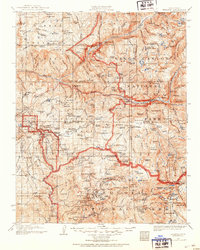 1903 Tehipite1953 Print · USGSThe High Sierra backcountry in the early twentieth century shows a landscape of early timber works and newly formed preserves. Trace family roots and old park outposts near Hume, Kanawyers, and the historic Abbott Mill.
 - 1905 Map of Tehipite
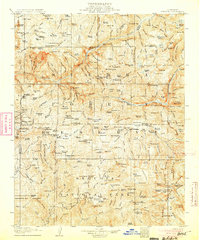 1905 Tehipite1905 Print · USGSThe High Sierra at the start of the twentieth century shows a landscape where early tourism and timber industry met. Researchers can trace the original footprint of General Grant National Park and find old lumber sites like Millwood and Harts Sawmill.8 unique versions available
 - 1948 Map of Fresno
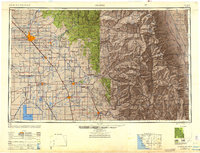 1948 Fresno1948 Print · USGSThe San Joaquin Valley and the High Sierra met during a period of rapid post-war growth and industrial expansion. Genealogists and researchers can trace family lines through small rail towns like Calwa City, find early aviation sites at Fresno-Chandler, or locate the Fresno Copper Mine.
 - 1955 Map of Fresno
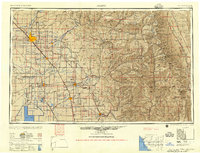 1955 Fresno1955 Print · USGSThe Central Valley and High Sierra meet in this mid-fifties study of California’s agricultural and wilderness heart. Researchers can trace the rail-side growth of Sanger, Selma, and Reedley or locate high-altitude landmarks like Mt Whitney and Hume Lake.
 - 1956 Map of Fresno
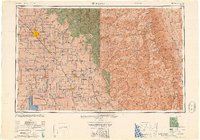 1956 Fresno1956 Print · USGSThe Central Valley and High Sierra meet in this mid-fifties survey of a rapidly developing California interior. Researchers can trace the rail-and-water networks of Visalia, the footprint of Tulare Lake, and the remote heights of Sequoia National Park.
 - 1956 Map of Giant Forest, 1958 Print
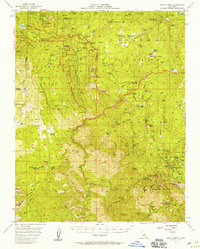 1956 Giant Forest1958 Print · USGSThe High Sierra groves were transitioning into a major recreational destination in the late 1950s. Genealogists and historians can trace the early park infrastructure at Colony Mill Ranger Station, find the small community of Wilsonia, and locate the iconic General Sherman Tree.4 unique versions available
 - 1958 Map of Fresno
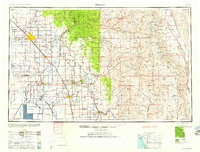 1958 Fresno1958 Print · USGSThe Central Valley and High Sierra meet in this mid-century survey of the California heartland. Researchers can trace the rail-and-road network connecting Fresno and Visalia or locate high-country landmarks like Mt Whitney and Sequoia National Park.
 - 1960 Map of Fresno
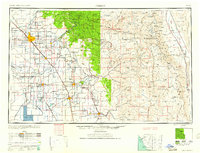 1960 Fresno1960 Print · USGSThe San Joaquin Valley's mid-century agricultural boom meets the high peaks of the Sierra Nevada in this detailed survey. Genealogists and historians can trace the rail-driven growth of Fresno, Tulare, and Visalia or locate family roots in smaller towns like Raisin City and Calwa City.2 unique versions available
 - 1962 Map of Fresno, 1968 Print
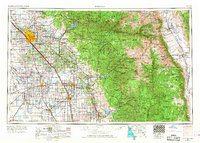 1962 Fresno1968 Print · USGSThe Central Valley and High Sierra meet in this mid-century survey, capturing the region's massive irrigation systems and mountain wilderness. Researchers can trace the rail corridors of the Southern Pacific and locate landmarks like the Tulare Lake Bed and Mount Whitney.3 unique versions available
 - 1966 Map of Fresno
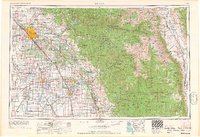 1966 Fresno1966 Print · USGSCentral California in the mid-1960s showcases a high-production agricultural valley rising into the granite peaks of the High Sierra. Researchers can trace irrigation networks, rail spurs like the Southern Pacific, and landmarks from Mount Whitney to the Lemoore Naval Air Station.
 - 1978 Map of Mount Whitney, 1992 Print
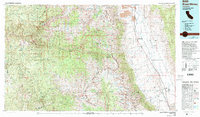 1978 Mount Whitney1992 Print · USGSThe high Sierra and Owens Valley meet in the late 1970s, showcasing the transition from alpine wilderness to valley floor settlements. Trace historical mining operations like the Green Monster Mine or find early routes to the summit near Whitney Portal.
 - 1987 Map of General Grant Grove
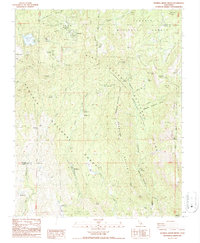 1987 General Grant Grove1987 Print · USGSTulare County's high Sierra peaks and ancient sequoia groves are captured here during the late 1980s. Researchers can locate mountain settlements like Wilsonia, university research land at Whitaker Forest, and the iconic General Grant Tree.
 - 1993 Map of General Grant Grove, 1995 Print
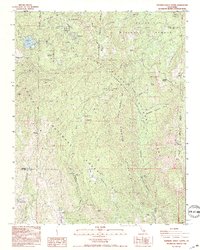 1993 General Grant Grove1995 Print · USGSThe High Sierra backcountry of Tulare and Fresno counties is captured here in the early nineties, centered on the ancient giants of the Kings Canyon Grant Grove. Researchers can locate established mountain communities like Wilsonia, trace the path of the Generals Highway, and identify specific groves such as Big Baldy Grove.2 unique versions available
 - 2012 Map of General Grant Grove, 2012 Print
 2012 General Grant Grove2012 Print · USGSThe high Sierra Nevada backcountry comes into focus in this 2012 survey, centered on the ancient giants of the General Grant Grove. You can trace the mountain roads through Wilsonia and Grant Grove Village to remote spots like Baumans Cow Camp and Log Corral Meadow.
 - 2015 Map of General Grant Grove, 2015 Print
 2015 General Grant Grove2015 Print · USGSHigh in the Sierra Nevada during the mid-2010s, this survey documents the shared border of two iconic wilderness areas. Genealogists and historians can trace old access routes like Wortman Mills Rd and locate mountain settlements such as Wilsonia, Hartland, and Grant Grove Village.
 - 2018 Map of General Grant Grove, 2018 Print
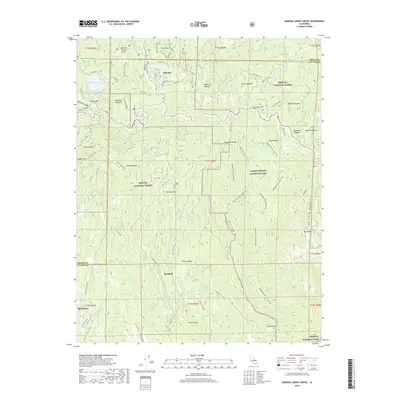 2018 General Grant Grove2018 Print · USGSThe High Sierra backcountry near the Fresno-Tulare border is captured here during the late twenty-tens. Researchers can trace forest settlements like Wilsonia and Hartland or locate natural landmarks such as General Grant Grove and Sequoia Lake.
 - 2021 Map of General Grant Grove, 2021 Print
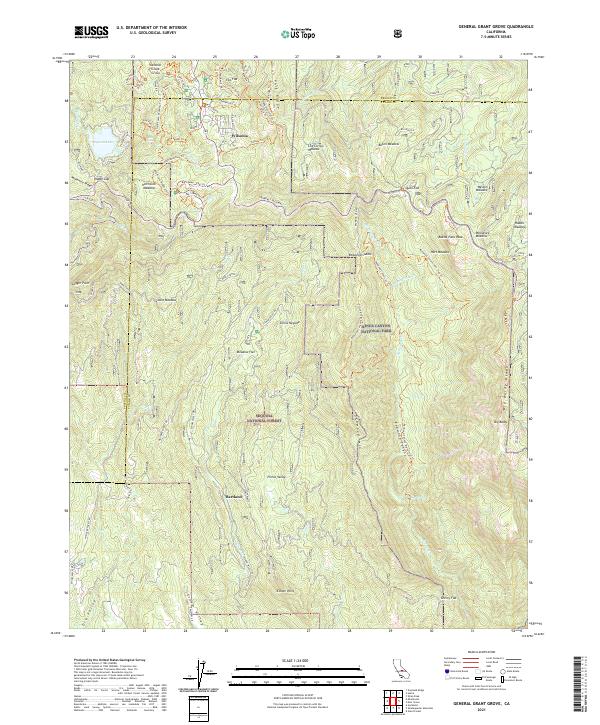 2021 General Grant Grove2021 Print · USGSThe high Sierra Nevada backcountry comes into focus in this recent survey, centered on the historic General Grant Grove. Local researchers can trace family roots near the Eshom Valley Cemetery or explore the mountain settlements of Wilsonia and Hartland.
End of results
Showing maps 1-17 of 17
Frequently asked questions
- What are the different types of historical maps available for Hartland?
- What is the oldest map of Hartland?
- Where can I purchase historical maps of Hartland for my home or office?
- Where can I download high-res historical maps of Hartland?
- Are there historical topographic maps available for Hartland?
- Is there historical aerial imagery available for Hartland?
- Where are historical maps of Hartland sourced from?