Old Maps of Sequoia, California for Hiking & Exploration
Hike through history with 17 historic maps of Sequoia. Explore old trails, ghost towns, and forgotten backroads — perfect for outdoor adventurers and local explorers.
- Rediscover forgotten places: Map out old mining camps, roads, and footpaths that no longer exist on modern maps.
- Layer with modern tools: Combine with LiDAR or satellite views to plan hikes through historical terrain.
- Made for exploration: Popular among hikers, overlanders, and local history lovers.
Use these maps to find adventure and explore the hidden past of Sequoia.
Sequoia, CA maps
(17)- 1897 Map of Yosemite
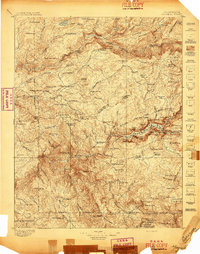 1897 Yosemite1897 Print · USGSThe Sierra Nevada high country is captured here during the earliest years of the national park, before major infrastructure changed the landscape. Researchers can locate early homesteads and travel stops like Hog Ranch, Harden Ranch, and Sequoia.
 - 1900 Map of Yosemite
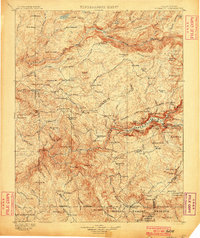 1900 Yosemite1900 Print · USGSThe central Sierra Nevada appears here in the late nineteenth century, prior to the major damming projects that reshaped the river valleys. Genealogists and historians can trace pioneer outposts like Harden Ranch and Hite Cove, or the early tourism hub at Yosemite.
 - 1903 Map of Yosemite
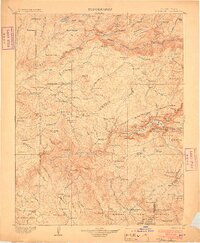 1903 Yosemite1903 Print · USGSThe High Sierra and foothills of Mariposa County appear here in the early 1900s, documenting the early ranching and travel networks of the region. Local historians and genealogists can trace family holdings at Harden Ranch, the mining hub of Hite Cove, and the isolated Stage Station.2 unique versions available
 - 1909 Map of Yosemite
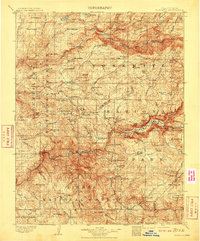 1909 Yosemite1909 Print · USGSMariposa and Tuolumne counties are shown here at the turn of the century, prior to the damming of the Tuolumne River. Researchers can trace early ranching and mining sites like Hog Ranch, Hite Cove, and the historic Stage Station.7 unique versions available
 - 1947 Map of Mariposa, 1948 Print
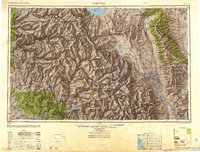 1947 Mariposa1948 Print · USGSThe High Sierra and Owens Valley transition is captured here in the late 1940s, just as the region’s hydroelectric and tourism infrastructure was maturing. Genealogists and historians can trace old ranger stations, the Casa Diablo Mine, and rail stops along the Southern Pacific like Benton Station and Zurich.2 unique versions available
 - 1948 Map of Mariposa, 1951 Print
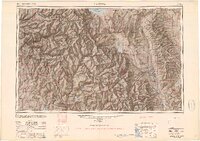 1948 Mariposa1951 Print · USGSThe High Sierra and Mariposa foothills are shown here in the late 1940s as the post-war tourism and water infrastructure expanded. Genealogists and historians can locate vanished waypoints like Mormon Bar, the Glacier Point Hotel, and the granite quarries of Knowles.
 - 1956 Map of Lake Eleanor, 1960 Print
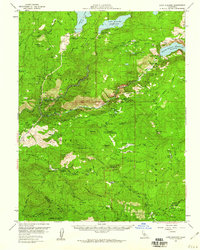 1956 Lake Eleanor1960 Print · USGSThe high Sierra watershed in the late fifties shows the massive water infrastructure of Hetch Hetchy Reservoir and Cherry Lake. Genealogists and historians can trace legacy sites like Hazel Green Ranch and the early Evergreen Lodge.3 unique versions available
 - 1957 Map of Mariposa, 1966 Print
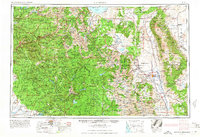 1957 Mariposa1966 Print · USGSThe High Sierra and Owens Valley appear in the mid-fifties, showing the intersection of conservation, hydroelectric power, and mountain industry. Genealogists and researchers can trace local landmarks like Yosemite Cemetery, the remote Kinsley Station, and the Pine Creek Mine.4 unique versions available
 - 1963 Map of Mariposa
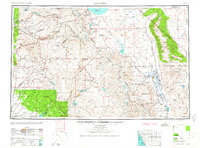 1963 Mariposa1963 Print · USGSThe High Sierra and Owens Valley meet in the early sixties, showing a landscape defined by gold-rush history and massive post-war water projects. Genealogists and researchers can trace old mining routes near Mariposa, locate the Glacier Point Hotel, and find small settlements like Coarse Gold or Knowles Junction.
 - 1976 Map of Yosemite Valley, 1994 Print
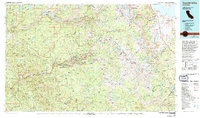 1976 Yosemite Valley1994 Print · USGSThe High Sierra and the iconic Yosemite Valley are captured here during the 1970s, showing the primary road networks and backcountry trails of the day. Researchers can trace the layout of Yosemite Village or locate historic mining sites like Schroeder Mine and Buffalo Mine.2 unique versions available
 - 1990 Map of Ascension Mountain
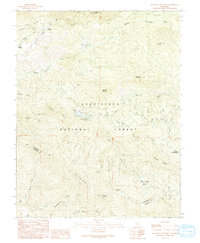 1990 Ascension Mountain1990 Print · USGSThe High Sierra backcountry of Tuolumne County is captured here in the late twentieth century as it borders Yosemite. Researchers can trace the path of the Hetch Hetchy Aqueduct (Tunnel) and locate historic sites like Harden Flat and the Old RR Grade.
 - 1992 Map of Ascension Mountain, 1995 Print
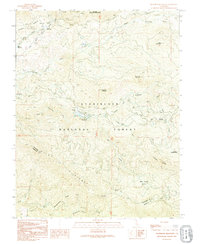 1992 Ascension Mountain1995 Print · USGSTuolumne and Mariposa counties are shown in the late eighties as they transition from industrial timber lands to protected forest. Researchers can locate the Hetch Hetchy Aqueduct (Tunnel), the Pilot Peak Lookout, and an Old RR Grade.
 - 2001 Map of Ascension Mountain, 2004 Print
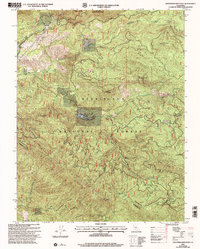 2001 Ascension Mountain2004 Print · USGSThe high Sierra foothills of Tuolumne County are captured here at the turn of the century, showing the forest and river systems just west of Yosemite. Researchers can locate seasonal sites like Camp Tawonga, trace the old Coulterville Road, and find mining history at Sawmill Quarry.2 unique versions available
 - 2012 Map of Ascension Mountain, 2012 Print
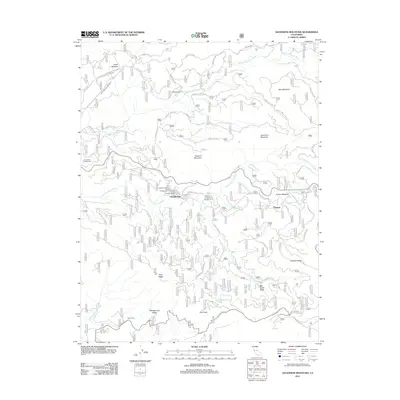 2012 Ascension Mountain2012 Print · USGSThe Tuolumne River watershed comes into focus on this 2012 map of the Sierra Nevada high country. Genealogists and historians can trace old routes like Old Yosemite Rd and locate forest outposts such as Sequoia, Harden Ranch, and Goat Camp.
 - 2015 Map of Ascension Mountain, 2015 Print
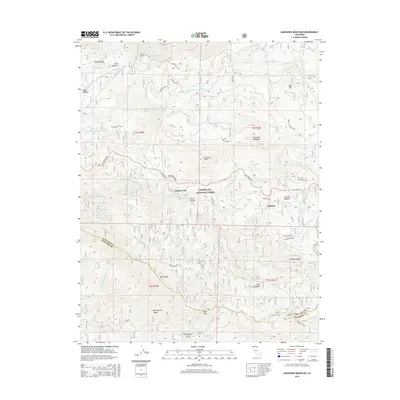 2015 Ascension Mountain2015 Print · USGSTuolumne County's high forest country is captured here during the mid-2010s, showing the intersection of mountain settlements and critical water infrastructure. Researchers can trace the path of the Hetch Hetchy Aqueduct or locate historical mountain communities at Harden Flat and Sequoia.
 - 2018 Map of Ascension Mountain, 2018 Print
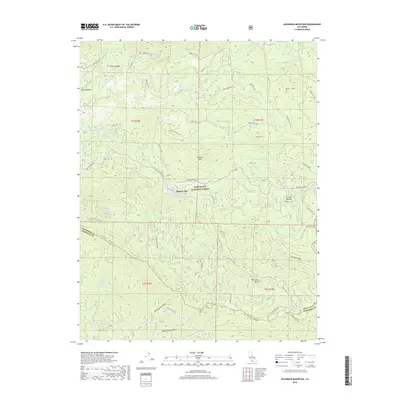 2018 Ascension Mountain2018 Print · USGSThe high country of the Stanislaus National Forest is captured here in the late 2010s, showing the intersection of vital water infrastructure and historic mountain routes. Researchers can trace the path of the Hetch Hetchy Aqueduct and locate early Sierra passages like Old Yosemite Rd and Harden Flat.
 - 2021 Map of Ascension Mountain, 2021 Print
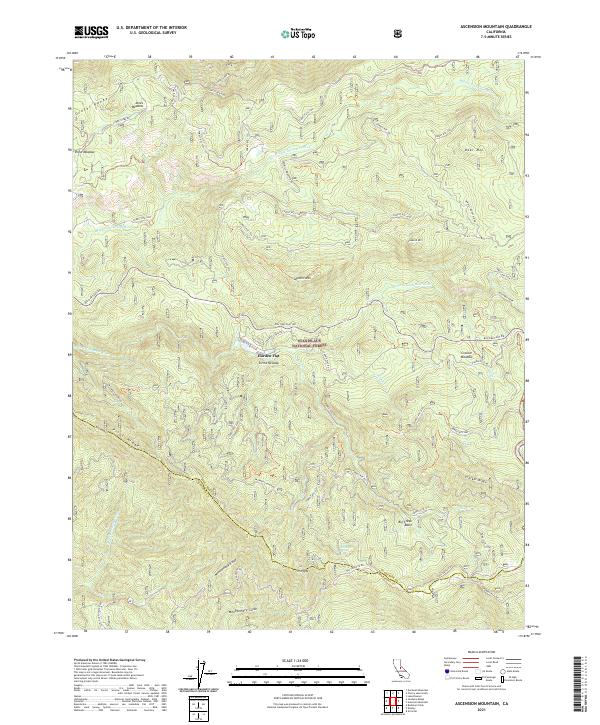 2021 Ascension Mountain2021 Print · USGSThe Sierra Nevada mountains near the Tuolumne and Mariposa county line are shown here in recent detail. Researchers can trace historic access routes like Old Yosemite Rd and Coulterville Rd near Harden Flat and Crocker Meadow.
End of results
Showing maps 1-17 of 17
Frequently asked questions
- What are the different types of historical maps available for Sequoia?
- What is the oldest map of Sequoia?
- Where can I purchase historical maps of Sequoia for my home or office?
- Where can I download high-res historical maps of Sequoia?
- Are there historical topographic maps available for Sequoia?
- Is there historical aerial imagery available for Sequoia?
- Where are historical maps of Sequoia sourced from?