Old Maps of Treasure, Colorado for Academic Research
Study the evolution of Treasure with 16 high-resolution historic maps. Whether you're teaching, researching, or modeling changes in land use, these maps provide essential visual documentation of urban, environmental, and geographic change.
- Analyze long-term change: Track patterns in development, transportation, and natural features.
- Ideal for environmental or urban studies: Support academic projects with primary historical map data.
- Use in the classroom or lab: Educators and researchers rely on these maps to bring historical context to life.
These maps are a powerful tool for teaching, research, and visualizing how Treasure has changed over the decades.
Treasure, CO maps
(16)- 1913 Map of Summitville, 1962 Print
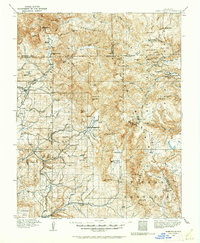 1913 Summitville1962 Print · USGSThe high San Juan Mountains at the turn of the century are captured here, from the gold-mining district at Summitville to the ranchlands of the Navajo River valley. Genealogists and historians can trace early school sites like Blanco School and working mines including the Asiatic Mine and Forest King Mine.
 - 1915 Map of Summitville
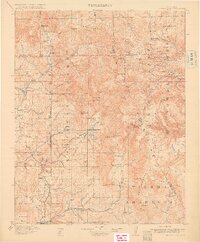 1915 Summitville1915 Print · USGSSouthern Colorado mining and timber operations are captured here during the early twentieth century. Researchers can trace remote mining claims like the Asiatic Mine, mountain schools such as Blanco School, and the path of the Logging RR.4 unique versions available
 - 1945 Map of Durango
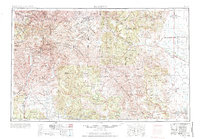 1945 Durango1945 Print · USGSSouthwest Colorado and Northern New Mexico at mid-century are defined by the high peaks of the San Juan Range and the tribal lands of the Southern Ute. Genealogists and historians can trace the paths of the D & R G W RR and locate local landmarks like Animas City and the Blanco Basin School.3 unique versions available
 - 1953 Map of Durango, 1963 Print
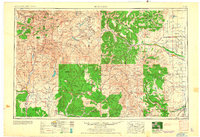 1953 Durango1963 Print · USGSThe high peaks of the San Juan Mountains and the Colorado mining country are shown here as they appeared in the early fifties. Genealogists and local historians can trace the rail lines of the D & R G W RR and locate historic mining camps like Silverton, Ouray, and Old Ophir.
 - 1954 Map of Durango
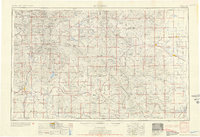 1954 Durango1954 Print · USGSSouthern Colorado in the mid-1950s was defined by high-altitude mining towns and the expansion of water storage in the San Luis Valley. Trace the narrow-gauge Denver & Rio Grande Western RR as it connects Durango to mountain outposts like Silverton and Creede.2 unique versions available
 - 1957 Map of Wolf Creek Pass, 1959 Print
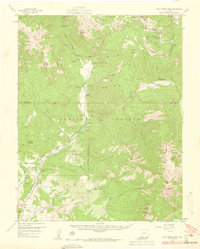 1957 Wolf Creek Pass1959 Print · USGSThe high San Juan peaks and ranching valleys are captured here in the late fifties, just as mountain access and national forest management were expanding. Researchers can trace historic family-named sites like Hott Ranch or locate the Red Ryder Rodeo Grounds and Treasure Guard Station.6 unique versions available
 - 1961 Map of Durango
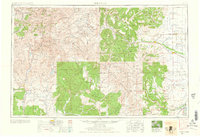 1961 Durango1961 Print · USGSThe high San Juan country in the early sixties is shown here as a network of historic mining towns and early reservoir projects. Genealogists and researchers can trace the Denver & Rio Grande Western RR as it connects Durango, Silverton, and Arboles.
 - 1963 Map of Durango
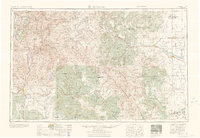 1963 Durango1963 Print · USGSThe San Juan Mountains and San Luis Valley are captured here in the early 1950s as mining, rail, and tribal lands shaped the region. Researchers can trace the Denver & Rio Grande Western RR through high-country towns like Telluride and Silverton, or locate landmarks such as the Asiatic Mine.
 - 1966 Map of Durango
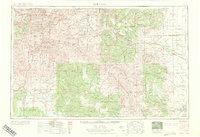 1966 Durango1966 Print · USGSSouthwestern Colorado and the New Mexico borderlands are shown here in the mid-1960s, a time when the narrow-gauge rail network still tied the high peaks to the valley floor. Researchers can trace the Denver & Rio Grande Western Railroad between settlements like Silverton, Antonito, and Pagosa Springs.2 unique versions available
 - 1984 Map of Jackson Mountain
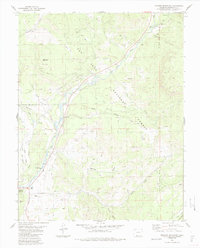 1984 Jackson Mountain1984 Print · USGSThe mountain landscape surrounding Pagosa Springs comes into focus during the mid-eighties as a hub of forest management and river valley life. Genealogists and historians can trace local landmarks like the Rodeo Ground, the Guard Sta, and family-named features such as Jackson Mountain.4 unique versions available
 - 1985 Map of Antonito
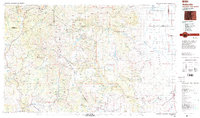 1985 Antonito1985 Print · USGSThe Colorado and New Mexico borderlands come into focus during the mid-eighties as the high peaks of the San Juans meet the San Luis Valley. Trace the winding Cumbres and Toltec Scenic Railroad or locate historical mining sites like the Black Diamond Mine and Summitville.2 unique versions available
 - 2011 Map of Jackson Mountain, 2011 Print
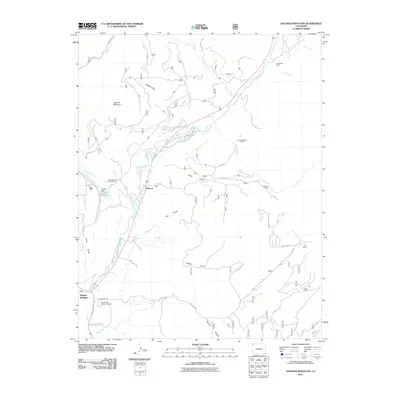 2011 Jackson Mountain2011 Print · USGSThe San Juan River valley north of Pagosa Springs is shown in the early 2000s, a landscape defined by cattle ranching and mountain mining. Researchers can locate the Cox Mine, family sites like Saddleback Ranch, and the Red Ryder Rodeo Grounds.
 - 2013 Map of Jackson Mountain, 2013 Print
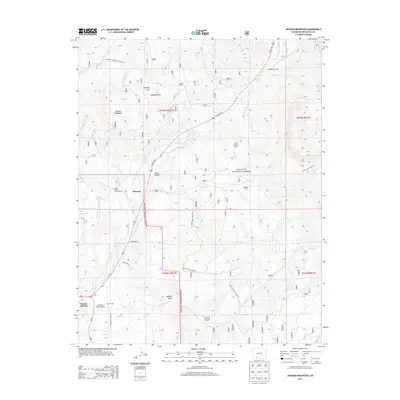 2013 Jackson Mountain2013 Print · USGSArchuleta County ranching and water rights take center stage in this 2013 survey of the mountains northeast of Pagosa Springs. Researchers can trace the path of the San Juan River past historic properties like Saddleback Ranch and the Three Quarter Circles Ranch.
 - 2016 Map of Jackson Mountain, 2016 Print
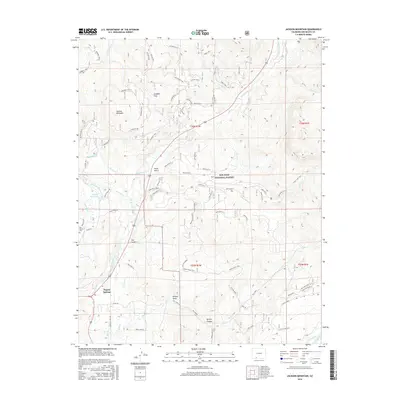 2016 Jackson Mountain2016 Print · USGSPagosa Springs and the surrounding Archuleta County highlands are shown here in the mid-2010s, defined by the San Juan River and its tributaries. Researchers can locate Eoff Ranch Cem, trace the Highline Ditch, or follow backcountry routes like Fawn Gulch Road.
 - 2019 Map of Jackson Mountain, 2019 Print
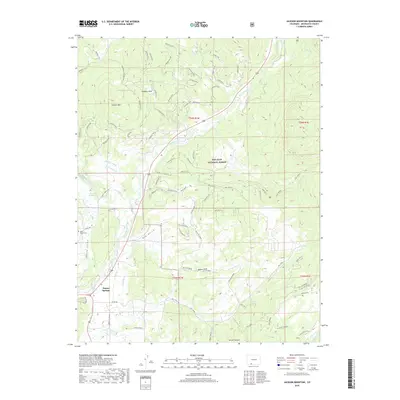 2019 Jackson Mountain2019 Print · USGSThe high country surrounding Pagosa Springs is shown in this contemporary study of Archuleta County's complex river systems and ranchlands. Genealogists and local historians can trace the irrigation networks of Highline Ditch, landmarks like Eoff Ranch, and the winding paths of Fawn Gulch Road.
 - 2022 Map of Jackson Mountain, 2022 Print
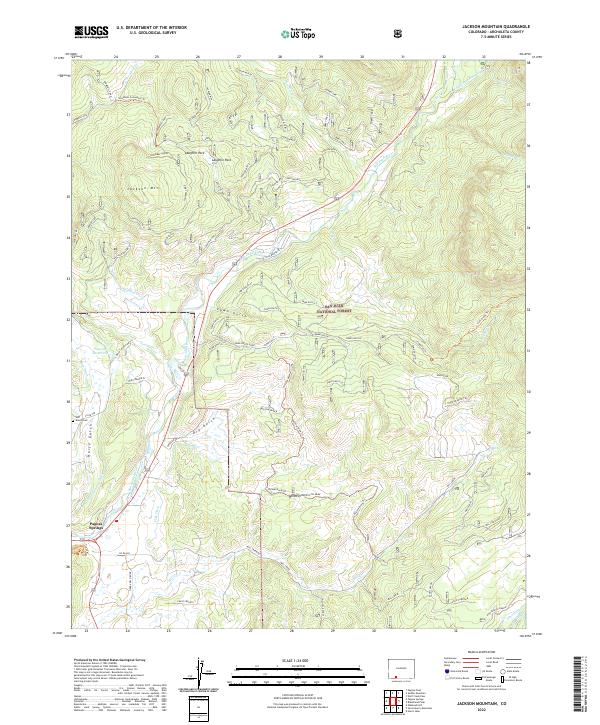 2022 Jackson Mountain2022 Print · USGSModern Archuleta County comes to life in this detailed view of the high-country landscape surrounding Pagosa Springs. Researchers can trace irrigation history through Park Ditch or locate family history at the Eoff Ranch Cem and Rito Blanco Ranch.
End of results
Showing maps 1-16 of 16
Top cities near Treasure
Frequently asked questions
- What are the different types of historical maps available for Treasure?
- What is the oldest map of Treasure?
- Where can I purchase historical maps of Treasure for my home or office?
- Where can I download high-res historical maps of Treasure?
- Are there historical topographic maps available for Treasure?
- Is there historical aerial imagery available for Treasure?
- Where are historical maps of Treasure sourced from?