1900s (20th Century) Maps of Twin Lakes, Colorado
Explore 12 historic maps of Twin Lakes from the 1900s (20th Century). These maps offer a rare glimpse into what life looked like during the 1900s — showing old roads, neighborhoods, homes, and landmarks that have changed or disappeared over time.
Whether you're researching your family's past, planning a metal detecting trip, or studying how Twin Lakes's landscape evolved across the 1900s, these high-resolution maps are a powerful tool for exploring the history of this region.
- Focus on a specific era: All maps on this page are from the 1900s, giving you a focused view of this time period.
- See what’s changed: Compare century-old streets, trails, and buildings to today's modern landscape using overlays and satellite layers.
- Research with precision: Use these maps for genealogy, historical research, land use analysis, or educational projects.
- View, download, or print: Maps are fully viewable online in high resolution, and can be downloaded or printed for your own records.
Start exploring Twin Lakes's history through authentic maps from the 1900s. This is your window into the past.
Twin Lakes, CO maps
(12)- 1935 Map of Mount Elbert, 1955 Print
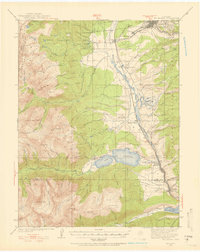 1935 Mount Elbert1955 Print · USGSThe Lake County high country comes alive in the mid-1930s, showing a landscape defined by mining, mountain trails, and the headwaters of the Arkansas. Genealogists and researchers can trace the rail stops at Yale Sta, old mines like the Columbine Mine, and early mountain pathways like the Mt Elbert Trail.4 unique versions available
 - 1938 Map of Mount Elbert, 1944 Print
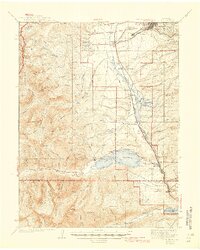 1938 Mount Elbert1944 Print · USGSThe Colorado high country in the late thirties is defined by its massive peaks and the industrial rail lines of the Arkansas River valley. Trace historic mining sites like Columbine Mine and rail stops at Malta and Yale Sta.
 - 1939 Map of Mount Elbert
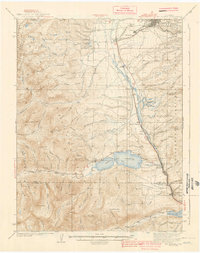 1939 Mount Elbert1939 Print · USGSThe high peaks and mining corridors of Lake County are captured here in the late thirties as the industrial legacy of the Rockies met new conservation and water projects. Genealogists and historians can trace the rail lines through Leadville, locate the Columbine Mine, or find the Soda Springs Sch near the Arkansas River.2 unique versions available
 - 1942 Map of Leadville, 1943 Print
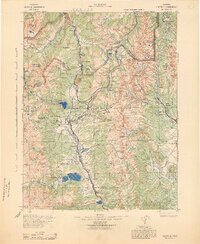 1942 Leadville1943 Print · USGSHigh in the Rockies during the early war years, this area served as a critical hub for military training and mining operations. Trace the rail lines of the Denver and Rio Grande Western RR and find local landmarks like the U. S. Fish Hatchery or the Adelaide mine.
 - 1957 Map of Leadville, 1978 Print
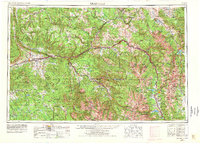 1957 Leadville1978 Print · USGSHigh-country mining and rail transport define the central Colorado Rockies during the mid-to-late twentieth century. Researchers can trace the industrial footprints of Gilman and Climax, find small rail stops like Malta, and follow the Denver and Rio Grande Western RR.2 unique versions available
 - 1959 Map of Leadville
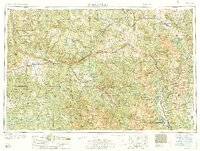 1959 Leadville1959 Print · USGSThe Colorado high country in the late fifties is a landscape of mining history and military training, from the streets of Leadville to the Camp Hale grounds. Genealogists and historians can trace the Denver and Rio Grande Western RR alongside now-deserted sites like Ashcroft and Independence.
 - 1960 Map of Leadville
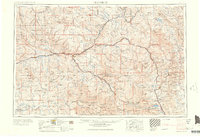 1960 Leadville1960 Print · USGSThe Colorado high country in the mid-fifties comes alive through its mining camps, river valleys, and rail lines. Trace the industrial legacy of the Climax Molybdenum Mine and explore the alpine reaches of the Camp Hale Military Reservation.2 unique versions available
 - 1962 Map of Leadville
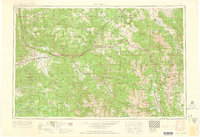 1962 Leadville1962 Print · USGSThe Colorado high country in the early sixties was a rugged landscape of mining camps, military training grounds, and emerging ski towns. Researchers can trace the legacy of Camp Hale, locate the Molybdenum mine near Leadville, and follow the Denver and Rio Grande Western RR through the canyons.
 - 1964 Map of Leadville
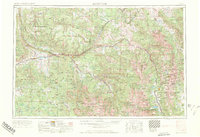 1964 Leadville1964 Print · USGSColorado's high country is captured here during the mid-1960s, showing the intersection of mining history and mountain transport. Trace the legacy of high-altitude industry at the Climax Molybdenum Mine or follow the rails of the Colorado and Southern Ry past Leadville.
 - 1967 Map of Mount Elbert, 1972 Print
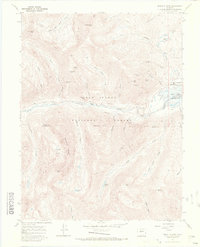 1967 Mount Elbert1972 Print · USGSThe Sawatch Range reaches its zenith in the late sixties, showing the high-altitude mines and trails surrounding Mount Elbert. Trace historic claims like the Golden Fleece Mine or locate the shoreline of the Twin Lakes Reservoir.4 unique versions available
 - 1983 Map of Leadville
 1983 Leadville1983 Print · USGSThe Colorado high country in the early eighties shows a landscape of world-class peaks and deep-rooted mining industry. Trace the historic tracks of the Denver and Rio Grande Western RR and locate high-altitude operations like the Climax Mine or London Mine.2 unique versions available
 - 1994 Map of Mount Elbert, 2001 Print
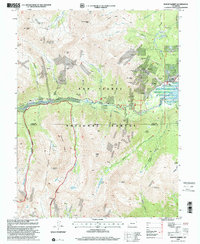 1994 Mount Elbert2001 Print · USGSThe Sawatch Range reached a balance of historic mining and wilderness preservation in the 1990s as hikers and historians revisited old claims. You can trace the legacy of the Iron Mike Mine and Last Chance Mine or explore the Twin Lakes Historic District.
End of results
Showing maps 1-12 of 12
Top cities near Twin Lakes
Frequently asked questions
- What are the different types of historical maps available for Twin Lakes?
- What is the oldest map of Twin Lakes?
- Where can I purchase historical maps of Twin Lakes for my home or office?
- Where can I download high-res historical maps of Twin Lakes?
- Are there historical topographic maps available for Twin Lakes?
- Is there historical aerial imagery available for Twin Lakes?
- Where are historical maps of Twin Lakes sourced from?