Old Maps of Mead, Colorado for Metal Detecting
Plan your next treasure hunt with 32 historic maps of Mead. Find old homesites, ghost towns, trails, and gathering spots that may be lost to time — perfect for identifying promising metal detecting locations.
- Locate forgotten sites: Uncover places like long-lost settlements, abandoned rail lines, or gathering spots.
- Plan better hunts: Use map overlays combined with LiDAR or satellite views to narrow in on historically rich areas.
- Made for detectorists: Thousands of hobbyists use these maps to discover relics, coins, and hidden history.
Use these historic maps to boost your research and find new opportunities beneath the surface of Mead.
Mead, CO maps
(32)- 1902 Map of Greeley
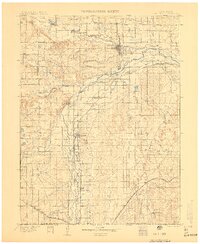 1902 Greeley1902 Print · USGSThe northern Colorado plains come alive in this survey of the South Platte and Cache la Poudre river valleys. Researchers can trace early railroad expansion and irrigation networks while locating specific homesteads like Klugs Ranch and old coal operations such as the Black Prince Coal Mine.4 unique versions available
 - 1904 Map of Niwot
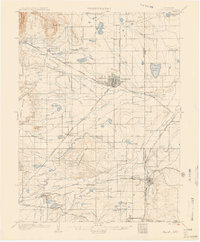 1904 Niwot1904 Print · USGSThe northern Colorado plains come alive in the early 1900s, showcasing a landscape shaped by coal mining and extensive irrigation. Genealogists and historians can trace family roots through settlements like Hygiene, Niwot, and Erie, or locate industrial sites such as Dixon Mill and the Gladstone Mine.3 unique versions available
 - 1949 Map of Gowanda, 1957 Print
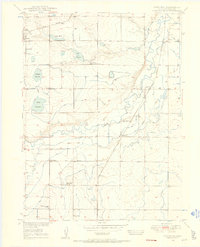 1949 Gowanda1957 Print · USGSWeld County’s mid-century farming landscape is captured here, showing the intricate water and rail networks before modern development altered the valley. Genealogists and historians can trace local landmarks like the Rinn Valley Grange, Stone School, and the Union Pacific rail corridor.6 unique versions available
 - 1950 Map of Gowanda
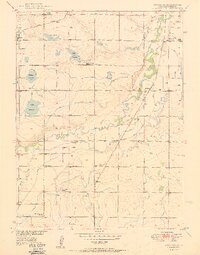 1950 Gowanda1950 Print · USGSWeld County farming and rail communities thrive along the river bottom in the years following the war. Researchers can locate the Pearl Howlett School, trace the Great Western tracks, and identify family landmarks like the Rinn Valley Grange.2 unique versions available
 - 1950 Map of Longmont, 1960 Print
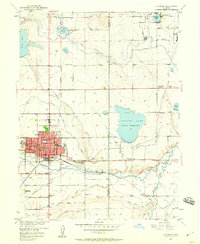 1950 Longmont1960 Print · USGSLongmont and the surrounding plains of Boulder and Weld Counties appear here at the mid-century, defined by a massive network of irrigation ditches and vital rail lines. Genealogists can trace family roots through several local burial grounds like Mountain View Cemetery or locate rural landmarks such as Dixons Mills and Liberty Hall Grange.2 unique versions available
 - 1950 Map of Johnstown, 1960 Print
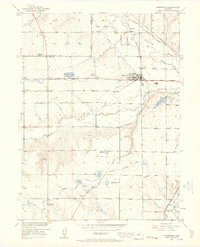 1950 Johnstown1960 Print · USGSMid-century Larimer and Weld Counties are defined by the vital waters of the Big Thompson River and an extensive irrigation network. Genealogists and local historians can locate early landmarks like Twin Mounds School, the Elwell Cem, and the Walker Elevator.5 unique versions available
 - 1951 Map of Johnstown
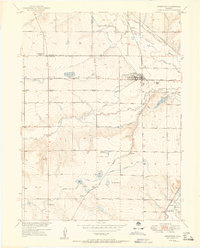 1951 Johnstown1951 Print · USGSAgriculture and industry meet at the confluence of the Thompson rivers in the early 1950s. Trace the rail-and-river economy through the Walker Elevator and local schoolhouses like Twin Mounds School or the rural Elwell settlement.2 unique versions available
 - 1951 Map of Longmont
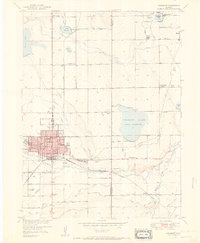 1951 Longmont1951 Print · USGSThe agricultural plains of Boulder and Weld Counties are captured here in the early fifties as the town of Longmont expanded. Researchers can trace rural landmarks like the Liberty Hall Grange, Dixons Mills, and several family cemeteries and schools.
 - 1954 Map of Greeley, 1966 Print
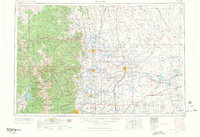 1954 Greeley1966 Print · USGSNorthern Colorado transitions from high-alpine peaks to the irrigated South Platte valley during this mid-century period of growth. Genealogists and historians can trace rail-connected hubs like Greeley and Longmont alongside landmarks like Horsetooth Reservoir and Estes Park.3 unique versions available
 - 1957 Map of Greeley
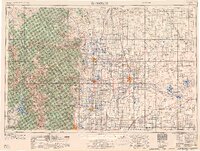 1957 Greeley1957 Print · USGSNorthern Colorado in the mid-fifties is captured here as the agricultural plains of Weld County meet the high peaks of the Front Range. Genealogists and historians can trace rail-linked towns like Keenesburg and Roggen or locate early water features such as Boyd Lake and Fossil Creek Reservoir.
 - 1958 Map of Greeley
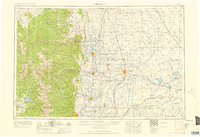 1958 Greeley1958 Print · USGSNorthern Colorado and the high peaks of the Front Range appear here in the mid-fifties as the region's agricultural and rail networks were fully established. Genealogists can locate family homes near Virginia Dale, Waverly, or Kuner, and trace the path of the Union Pacific Railroad through Greeley.
 - 1961 Map of Greeley
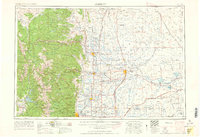 1961 Greeley1961 Print · USGSNorthern Colorado's transition from high mountain peaks to irrigated plains is captured here just as the post-war population boom reached the Front Range. Researchers can trace early water infrastructure and rail lines like the Great Western RR connecting sugar beet hubs from Fort Collins to Greeley.
 - 1964 Map of Greeley
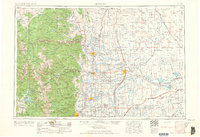 1964 Greeley1964 Print · USGSThe Front Range corridor and high peaks of the Rockies appear here in the mid-1960s, showing the intersection of mountain wilderness and plains agriculture. Trace the rail routes of the Great Western RR or locate landmarks like Longs Peak and Horsetooth Reservoir.
 - 1965 Map of Greeley
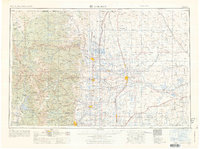 1965 Greeley1965 Print · USGSNorthern Colorado in the mid-sixties shows a landscape defined by high mountain summits and the growing irrigation networks of the plains. Genealogists and historians can trace rail-side towns like Wellington or follow the early tracks of the Union Pacific Railroad past Longs Peak.
 - 1968 Map of Longmont
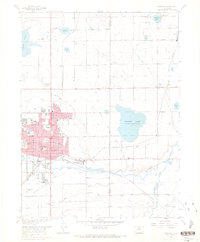 1968 Longmont1968 Print · USGSLongmont and the surrounding farm country are captured here in the late sixties, highlighting the vital irrigation networks of the Colorado plains. Researchers can trace family roots at Burlington Cem, locate the old Grange Hall, or map the paths of the Chicago Burlington and railroad.6 unique versions available
 - 1982 Map of Greeley, 1983 Print
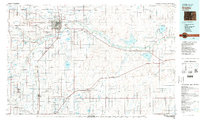 1982 Greeley1983 Print · USGSNorth-central Colorado is shown in the early eighties as a thriving hub of river-valley agriculture and energy production. Researchers can trace the water-rights history and rail networks connecting Greeley to the Spindle Oil Field and Fort Lupton.
 - 1984 Map of Estes Park
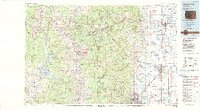 1984 Estes Park1984 Print · USGSThe northern Front Range and high peaks come into focus during the mid-eighties, showing the intersection of mountain wilderness and urban expansion. Trace the rail lines of the Union Pacific, the shores of Lake Granby, and historic mountain towns like Gold Hill or Eldora.3 unique versions available
 - 2010 Map of Gowanda, 2010 Print
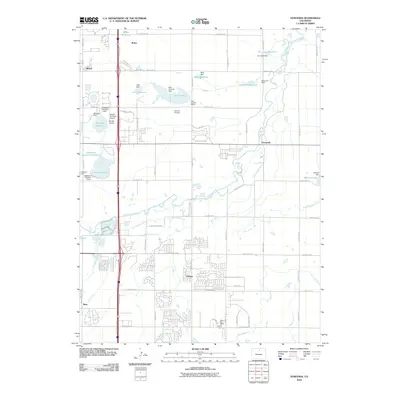 2010 Gowanda2010 Print · USGSWeld County’s agricultural and industrial character is on full display in this 2010 survey of the area surrounding Harney and Mead. Genealogists and historians can trace the intricate network of irrigation canals like the Last Chance Ditch and local landmarks such as the Little Ash Mine and Pearl Howlett School.
 - 2010 Map of Johnstown, 2010 Print
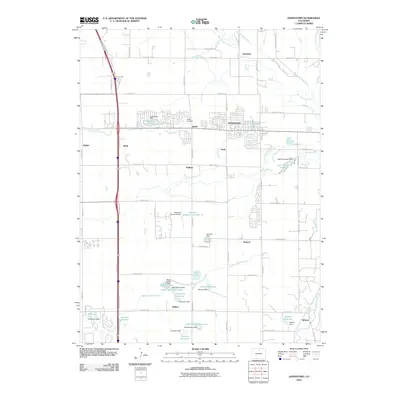 2010 Johnstown2010 Print · USGSAgriculture and water management dominate the northern Colorado plains in the early twenty-first century. Genealogists and local historians can locate Elwell Cemetery and trace irrigation networks like the Hillsboro Ditch and Home Supply Ditch.
 - 2010 Map of Longmont, 2010 Print
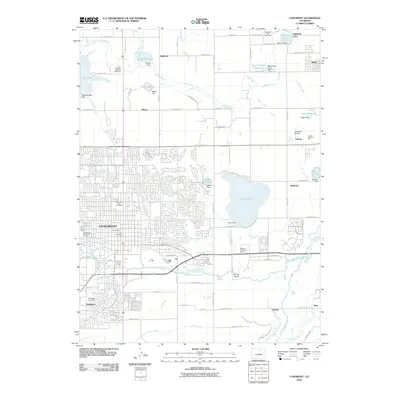 2010 Longmont2010 Print · USGSThe Front Range plains of Boulder and Weld counties are shown here during a period of sustained growth and water management. Researchers can trace historic irrigation networks like the Rough and Ready Ditch and locate landmarks such as Highland Cemetery and the Cartwheel Airport.
 - 2013 Map of Longmont, 2013 Print
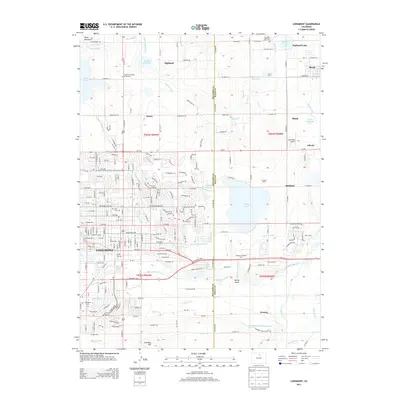 2013 Longmont2013 Print · USGSThe Boulder and Weld County border area comes into focus in the early 2010s, showcasing the expansion of Longmont alongside its agricultural roots. Genealogists and local historians can trace burial sites at Burlington Cem and Highland Lake Cem or locate family-run operations like Docheff Dairy.
 - 2013 Map of Gowanda, 2013 Print
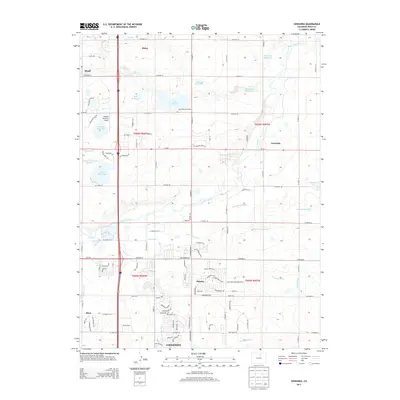 2013 Gowanda2013 Print · USGSThe plains of Weld County come alive in this early 21st-century record of a landscape defined by its vital water systems and growing settlements. Researchers can trace the irrigation network of Highland Ditch or locate local landmarks like the Pearl Howlett School and the Rancho de Aereo Airport.
 - 2013 Map of Johnstown, 2013 Print
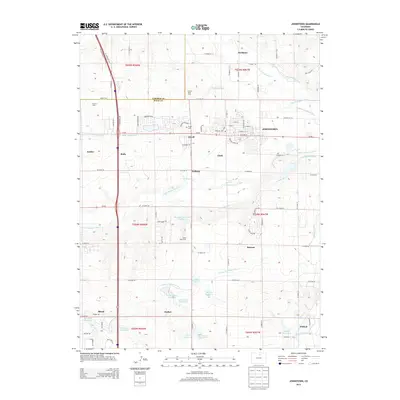 2013 Johnstown2013 Print · USGSThe Colorado Front Range comes into focus in this early twenty-first-century survey of the Larimer and Weld county line. Researchers can trace the irrigation networks of the Hillsboro Ditch and find local landmarks like Elwell Cem and the Longs Peak Dairy.
 - 2016 Map of Longmont, 2016 Print
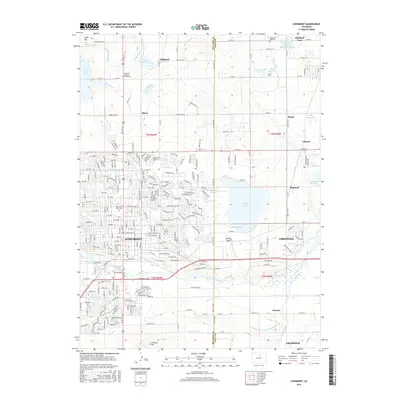 2016 Longmont2016 Print · USGSLongmont and the surrounding plains of Boulder and Weld counties are shown here as they appeared in the mid-2010s. Researchers can trace the path of historic water systems like the Oligarchy Ditch or locate family sites at Mountain View Cem and Highland Lake Cem.
 - 2016 Map of Johnstown, 2016 Print
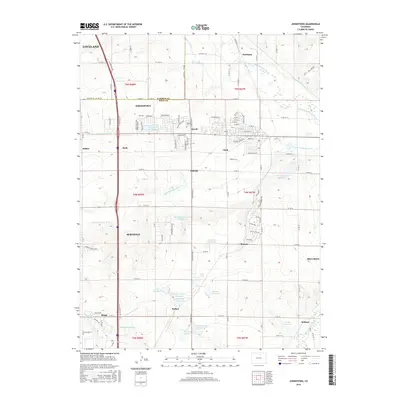 2016 Johnstown2016 Print · USGSThe Northern Front Range plains near Johnstown and Berthoud are shown here during a period of modern growth amidst deep-rooted agricultural lands. Genealogists can locate Elwell Cem or trace family water rights along the Farmers Extension Canal and Hillsboro Ditch.
Showing maps 1-25 of 32
Top cities near Mead
- Boulder historical maps
- Greeley historical maps
- Longmont historical maps
- Loveland historical maps
- Brighton historical maps
- Windsor historical maps
See more
Top neighborhoods of Mead
Frequently asked questions
- What are the different types of historical maps available for Mead?
- What is the oldest map of Mead?
- Where can I purchase historical maps of Mead for my home or office?
- Where can I download high-res historical maps of Mead?
- Are there historical topographic maps available for Mead?
- Is there historical aerial imagery available for Mead?
- Where are historical maps of Mead sourced from?