1900s (20th Century) Maps of Fort Pierce, Florida
Explore 15 historic maps of Fort Pierce from the 1900s (20th Century). These maps offer a rare glimpse into what life looked like during the 1900s — showing old roads, neighborhoods, homes, and landmarks that have changed or disappeared over time.
Whether you're researching your family's past, planning a metal detecting trip, or studying how Fort Pierce's landscape evolved across the 1900s, these high-resolution maps are a powerful tool for exploring the history of this region.
- Focus on a specific era: All maps on this page are from the 1900s, giving you a focused view of this time period.
- See what’s changed: Compare century-old streets, trails, and buildings to today's modern landscape using overlays and satellite layers.
- Research with precision: Use these maps for genealogy, historical research, land use analysis, or educational projects.
- View, download, or print: Maps are fully viewable online in high resolution, and can be downloaded or printed for your own records.
Start exploring Fort Pierce's history through authentic maps from the 1900s. This is your window into the past.
Fort Pierce, FL maps
(15)- 1948 Map of Ankona, 1956 Print
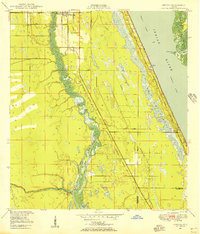 1948 Ankona1956 Print · USGSThe St. Lucie riverfront and coastal lagoons appear here in the late 1940s, just as the regional drainage and transport networks were maturing. Researchers can trace early infrastructure through the Florida East Coast rail line and communities like White City and Ankona.4 unique versions available
 - 1949 Map of Fort Pierce, 1960 Print
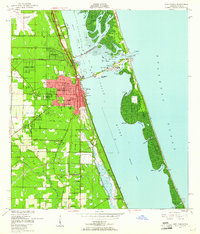 1949 Fort Pierce1960 Print · USGSFort Pierce and the Atlantic coast are captured here in the late nineteen-forties as the region's citrus and maritime identity took shape. Researchers can trace the development of White City, locate Gem Church, and study the early layout of Hutchinson Island.6 unique versions available
 - 1949 Map of Fort Pierce NW, 1983 Print
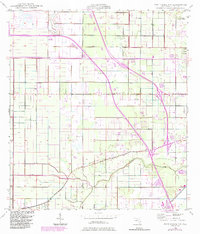 1949 Fort Pierce NW1983 Print · USGSSt. Lucie County witnessed significant infrastructural growth during the mid-century as citrus groves and aviation fields expanded. Trace the development of Floridas Turnpike and find local landmarks like Tenmile Creek and the Trailer Park.
 - 1950 Map of Ankona
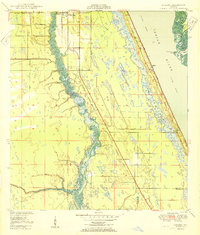 1950 Ankona1950 Print · USGSThe Florida coast near White City is shown here just after the war, when rail and river dominated the landscape. Genealogists and historians can trace the early layout of Ankona and Walton along the Indian River and the Florida East Coast railway.
 - 1950 Map of Fort Pierce
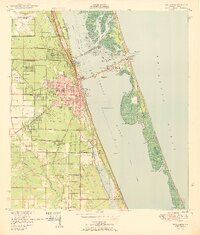 1950 Fort Pierce1950 Print · USGSFort Pierce and the surrounding St. Lucie County coast come alive in this mid-century survey. Genealogists and local historians can trace the development of White City, locate the White City Cem, and explore the rail corridor of the Florida East Coast.
 - 1950 Map of Fort Pierce NW
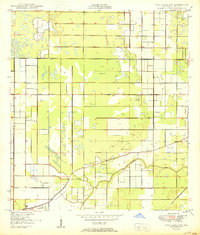 1950 Fort Pierce NW1950 Print · USGSSt. Lucie County was a landscape of citrus groves and emerging aviation hubs just after the war. Researchers can trace early infrastructure along Kings Highway, the St Lucie County Airport, and the winding Tenmile Creek.2 unique versions available
 - 1953 Map of Fort Pierce SW, 1955 Print
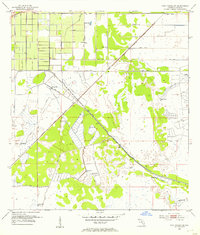 1953 Fort Pierce SW1955 Print · USGSCoastal Florida's interior was undergoing a massive hydrological transformation in the early 1950s. Trace the development of reclaimed lands along the Florida East Coast railway and study the complex system of the Header Canal and Flowing Wells.4 unique versions available
 - 1956 Map of Fort Pierce, 1965 Print
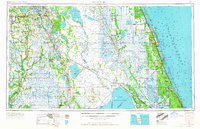 1956 Fort Pierce1965 Print · USGSCentral and coastal Florida appear here during a period of rapid post-war growth and industrial expansion. Researchers can trace the mid-century rail-to-highway transition along the Sunshine State Parkway or locate old settlements like Ankona, Walton, and Indrio.4 unique versions available
 - 1958 Map of Fort Pierce
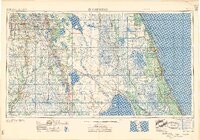 1958 Fort Pierce1958 Print · USGSCentral and South Florida are captured here in the late fifties as the citrus and ranching interior met the modern highway era. Researchers can trace the early path of the Sunshine State Parkway and locate established rail depots in Sebring, Okeechobee, and Arcadia.
 - 1959 Map of Fort Pierce
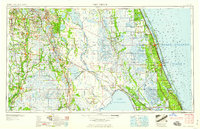 1959 Fort Pierce1959 Print · USGSCentral Florida and the Treasure Coast are shown here in the late fifties, during a period of steady citrus and coastal growth. Trace the historic routes of the Florida East Coast Ry or locate the boundaries of the Seminole Indian Reservation and Highlands Hammock State Park.3 unique versions available
 - 1972 Map of Fort Pierce
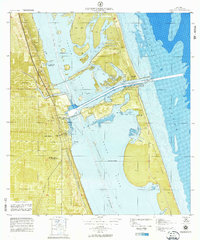 1972 Fort Pierce1972 Print · USGSFort Pierce and the Indian River shoreline are captured in detail during the early seventies, showcasing a landscape of barrier islands and emerging infrastructure. Trace the early layout of Paradise Park or locate landmarks like the Fort Pierce Causeway and the Florida East Coast Railroad.
 - 1972 Map of Fort Pierce, 1975 Print
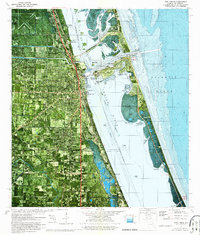 1972 Fort Pierce1975 Print · USGSThe Florida Treasure Coast comes into focus in the early seventies as the urban grid of Fort Pierce expands toward the sea. Researchers can trace the legacy of coastal engineering along the Intracoastal Waterway and locate landmarks like the Florida East Coast rail line and Paradise Park.2 unique versions available
 - 1981 Map of Fort Pierce, 1982 Print
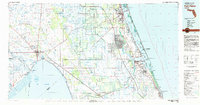 1981 Fort Pierce1982 Print · USGSFlorida's Treasure Coast and the northern rim of the Everglades are caught in a period of significant growth during the early eighties. Genealogists and historians can trace the rail-side development of White City and Eden or the water-management history of the St Lucie Canal.
 - 1986 Map of Fort Pierce
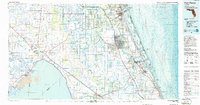 1986 Fort Pierce1986 Print · USGSSoutheast Florida’s Atlantic coast and inland waterways are captured in the mid-1980s as suburban development began to press against the agricultural interior. Trace the path of the Florida East Coast Railway through Fort Pierce or locate family sites near Evergreen Cem and White City.
 - 1988 Map of Fort Pierce
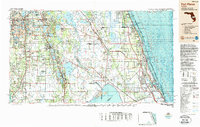 1988 Fort Pierce1988 Print · USGSThe Atlantic coast and Florida’s interior lakelands are captured in the late eighties, just as the Treasure Coast was experiencing rapid development. Genealogists and historians can trace the rail lines of the Florida East Coast and explore the bounds of the Brighton Indian Reservation.
End of results
Showing maps 1-15 of 15
Frequently asked questions
- What are the different types of historical maps available for Fort Pierce?
- What is the oldest map of Fort Pierce?
- Where can I purchase historical maps of Fort Pierce for my home or office?
- Where can I download high-res historical maps of Fort Pierce?
- Are there historical topographic maps available for Fort Pierce?
- Is there historical aerial imagery available for Fort Pierce?
- Where are historical maps of Fort Pierce sourced from?