Old Maps of Dougherty County, Georgia for Metal Detecting
Plan your next treasure hunt with 89 historic maps of Dougherty County. Find old homesites, ghost towns, trails, and gathering spots that may be lost to time — perfect for identifying promising metal detecting locations.
- Locate forgotten sites: Uncover places like long-lost settlements, abandoned rail lines, or gathering spots.
- Plan better hunts: Use map overlays combined with LiDAR or satellite views to narrow in on historically rich areas.
- Made for detectorists: Thousands of hobbyists use these maps to discover relics, coins, and hidden history.
Use these historic maps to boost your research and find new opportunities beneath the surface of Dougherty County.
Dougherty County, GA maps
(89)- 1953 Map of Dothan, 1966 Print
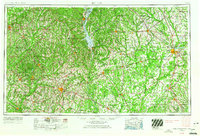 1953 Dothan1966 Print · USGSSoutheast Alabama and Southwest Georgia are captured during a period of massive hydraulic and military expansion in the mid-fifties. Genealogists and historians can trace rural landmarks like Antioch Church and School, the Andrew Jackson Monument, and the early footprint of Fort Rucker Military Reservation.3 unique versions available
 - 1953 Map of Waycross, 1967 Print
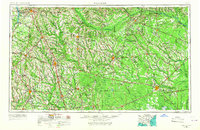 1953 Waycross1967 Print · USGSSouth Georgia's agricultural and rail heartland is captured here in the mid-1950s, showing a vast network of timber and farming towns. Researchers can trace the rail lines connecting Waycross and Tifton or locate landmarks like Jefferson Davis State Park and Lake Blackshear.2 unique versions available
 - 1954 Map of Dothan
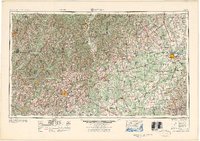 1954 Dothan1954 Print · USGSSoutheast Alabama and Southwest Georgia are seen here in the mid-fifties, during a decade of military expansion and rural transition. Genealogists can trace the location of country schools like Little Zion School or the grounds of Kolomoki Mounds State Park.
 - 1955 Map of Dothan
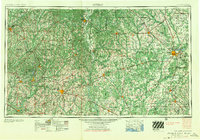 1955 Dothan1955 Print · USGSSoutheast Alabama and Southwest Georgia are captured here in the mid-fifties, showing a landscape of river-port history and growing military bases. Researchers can trace rural life via the Andrew Jackson Monument, Bauxite mines, and the Central of Georgia RR.
 - 1956 Map of Albany East, 1957 Print
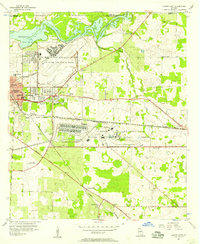 1956 Albany East1957 Print · USGSDougherty County was undergoing a major military expansion in the mid-fifties, seen here through the sprawling grounds of Turner Air Force Base. Researchers can trace old family-named churches like Mercer Grove Ch and the crossroads at Pecan City.4 unique versions available
 - 1956 Map of Albany West, 1957 Print
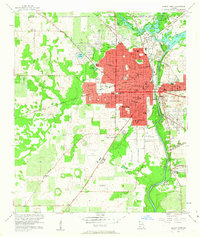 1956 Albany West1957 Print · USGSMid-century Dougherty County centers on the thriving rail and river hub of Albany as it expanded westward toward the state nursery and municipal airport. Genealogists and local historians can trace the footprints of Crown Hill Cemetery, Radium Springs, and the Albany Speedway (Abandoned).4 unique versions available
 - 1956 Map of Baconton, 1957 Print
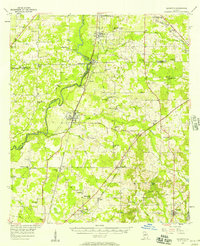 1956 Baconton1957 Print · USGSMitchell and Dougherty counties in the mid-fifties are defined by the winding Flint River and a dense network of rural rail lines. Researchers can trace genealogical roots through dozens of local landmarks like Noahs Ark Ch, Hard Up Cem, and Sale City.2 unique versions available
 - 1956 Map of Newton, 1958 Print
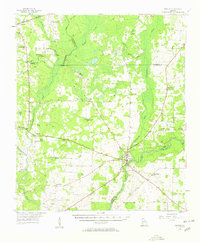 1956 Newton1958 Print · USGSBaker County in the mid-fifties is captured here as a landscape of rural schoolhouses and riverfront commerce. Researchers can locate specific family sites and community centers like New Salem Sch, Travelers Rest, and Mt Airy.
 - 1956 Map of Sylvester, 1958 Print
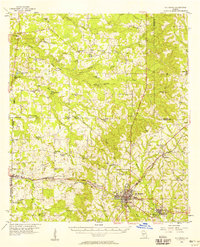 1956 Sylvester1958 Print · USGSWorth County at the height of the mid-fifties is centered on the busy rail-and-road corridor between Sylvester and Poulan. Genealogists and historians can locate dozens of rural landmarks, from the County Prison Farm to community hubs like Porters Corner Sch and Morning Star Ch.2 unique versions available
 - 1956 Map of Sasser, 1958 Print
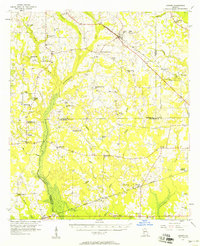 1956 Sasser1958 Print · USGSTerrell and Dougherty counties are mapped here during the mid-fifties, revealing a rural Georgia landscape of swampy creeks and rail-side hamlets. Researchers can locate specific family landmarks like Clarks Mill, the Andrew Jackson Historical Monument, and Mt Mary Cem & Ch.2 unique versions available
 - 1956 Map of Doerun, 1958 Print
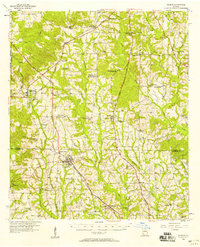 1956 Doerun1958 Print · USGSIn the mid-1950s, the rural borderlands of Colquitt, Worth, and Mitchell counties were connected by a dense rail-and-river network. Genealogists and local historians can trace family landmarks and vanished schools from Doerun to Bridgeboro, including Parkerville Sch and the Evergreen Cem.
 - 1956 Map of Albany, 1958 Print
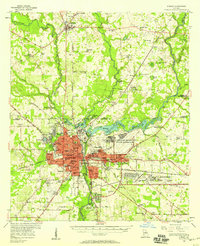 1956 Albany1958 Print · USGSMid-century Albany and the Flint River valley are captured here just as the Cold War military footprint was expanding. Genealogists can trace family landmarks like Radium Springs, the Turner Air Force Base, and Pecan City.2 unique versions available
 - 1958 Map of Waycross
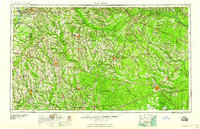 1958 Waycross1958 Print · USGSSoutheast Georgia in the late fifties remains a landscape of deep river basins and vital rail junctions. Genealogists and historians can trace family-named landmarks and rural hubs like Union Church, South Georgia College, and the sprawling Okefenokee Swamp.2 unique versions available
 - 1973 Map of Pretoria, 1974 Print
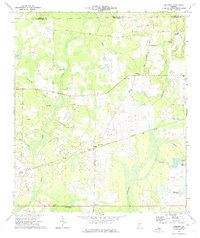 1973 Pretoria1974 Print · USGSDougherty County in the early seventies shows a landscape of rail-connected settlements and winding creek bottoms. Genealogists and local historians can trace family locations near Pretoria, Lockett Crossing, and rural landmarks like Mossy Grove Ch.2 unique versions available
 - 1973 Map of Acree, 1975 Print
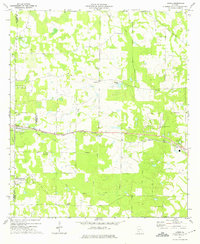 1973 Acree1975 Print · USGSCoastal Georgia's rural landscape is captured here in the early seventies as the railroad still defined the local economy. Genealogists and historians can trace family roots through numerous country churches like Beulah Ch and Salem Ch, or locate the old Seaboard Coast Line rail stops.2 unique versions available
 - 1973 Map of Holt, 1975 Print
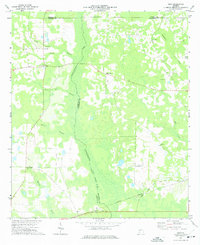 1973 Holt1975 Print · USGSThe rural borders of Calhoun and Dougherty Counties come alive in this early 1970s survey. Researchers can trace the Central of Georgia rail line and locate long-standing community landmarks like Gillionville, Salem Ch, and Holt.
 - 1973 Map of Albany NE, 1975 Print
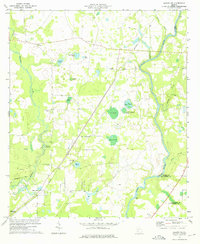 1973 Albany NE1975 Print · USGSLee and Worth counties are captured in the early 1970s, showing a landscape defined by the winding Flint River and a dense network of namesake ponds. You can trace family history at Thundering Springs Cem and Old Mt Horeb Cem, or locate landmarks like Old Piney Grove Ch.2 unique versions available
 - 1973 Map of Doles, 1975 Print
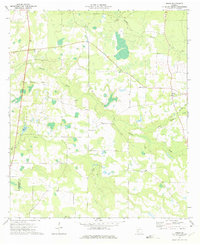 1973 Doles1975 Print · USGSWorth County was a landscape of quiet rural parishes and winding waterways in the early 1970s. Genealogists and local researchers can locate several community centers and landmarks, including Doles, Camp Osborn, and rural churches like St Johns Ch and New Provisor Ch.
 - 1974 Map of Putney, 1976 Print
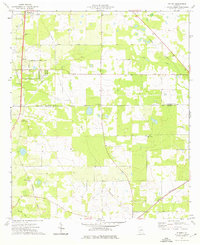 1974 Putney1976 Print · USGSDougherty and Mitchell counties appear here in the mid-seventies, showing a landscape of traditional crossroads and rail-side growth. Researchers can trace rural lineages through numerous country churches like Mt Calvary Ch and New Salem Ch, or follow the historic Stagecoach Road.2 unique versions available
 - 1974 Map of Bermuda, 1976 Print
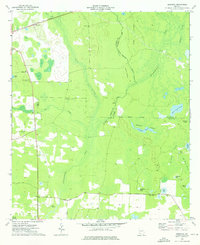 1974 Bermuda1976 Print · USGSSouthwest Georgia's riverine borderlands are captured here in the mid-1970s, showcasing the rural landscapes where Baker, Calhoun, and Dougherty counties meet. Researchers can locate family landmarks like Mt Pleasant Ch or trace the Central of Georgia rail line past Bermuda.
 - 1974 Map of Bridgeboro, 1976 Print
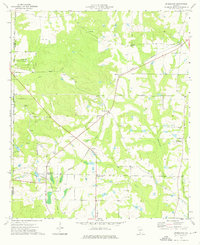 1974 Bridgeboro1976 Print · USGSWorth County agricultural and rail life is well-documented in this mid-seventies survey of the Bridgeboro area. Researchers can trace family history through sites like Rocky Mount Cem or locate the junction of the Georgia Northern railroad at Parkerville.2 unique versions available
 - 1974 Map of Red Store Crossroads, 1976 Print
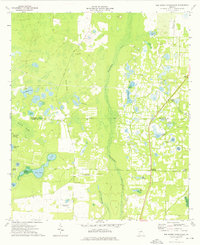 1974 Red Store Crossroads1976 Print · USGSSouthwest Georgia in the mid-1970s was a landscape of cypress swamps and quiet rural hubs like Red Store Crossroads. Genealogists and historians can trace family locations along Tarva Road or near landmarks like Chapel Hill Ch and Whitehill Cem.
 - 1974 Map of Baconton North, 1976 Print
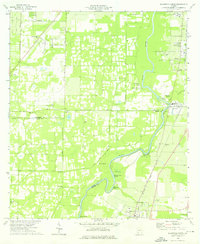 1974 Baconton North1976 Print · USGSThe Flint River basin in the mid-1970s reveals a landscape of river-bend settlements and deep-rooted rural communities. Family historians can trace landmarks like Hard Up Cem, Pleasant Grove Ch, and the rail corridor serving Putney and Baconton.2 unique versions available
 - 1979 Map of Moultrie, 1980 Print
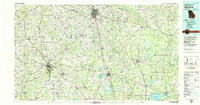 1979 Moultrie1980 Print · USGSSouth Georgia’s agricultural heartland is documented here in the late 1970s, showcasing the intricate rail and river networks of Colquitt and Tift Counties. Researchers can trace historic settlements along the Georgia Northern railroad or locate landmarks like Spence Air Force Auxiliary Field and Banks Lake.2 unique versions available
 - 1981 Map of Camilla, 1982 Print
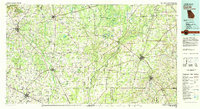 1981 Camilla1982 Print · USGSSouthwest Georgia in the early 1980s is defined by the winding Flint River and the ancient legacy of Kolomoki Mounds State Park. Researchers can trace the agricultural and rail economy through junctions like Blakely, Pelham, and the rail lines of the Central of Georgia.2 unique versions available
Showing maps 1-25 of 89
Top cities of Dougherty County
Frequently asked questions
- What are the different types of historical maps available for Dougherty County?
- What is the oldest map of Dougherty County?
- Where can I purchase historical maps of Dougherty County for my home or office?
- Where can I download high-res historical maps of Dougherty County?
- Are there historical topographic maps available for Dougherty County?
- Is there historical aerial imagery available for Dougherty County?
- Where are historical maps of Dougherty County sourced from?