1900s (20th Century) Maps of Pierce County, Georgia
Explore 26 historic maps of Pierce County from the 1900s (20th Century). These maps offer a rare glimpse into what life looked like during the 1900s — showing old roads, neighborhoods, homes, and landmarks that have changed or disappeared over time.
Whether you're researching your family's past, planning a metal detecting trip, or studying how Pierce County's landscape evolved across the 1900s, these high-resolution maps are a powerful tool for exploring the history of this region.
- Focus on a specific era: All maps on this page are from the 1900s, giving you a focused view of this time period.
- See what’s changed: Compare century-old streets, trails, and buildings to today's modern landscape using overlays and satellite layers.
- Research with precision: Use these maps for genealogy, historical research, land use analysis, or educational projects.
- View, download, or print: Maps are fully viewable online in high resolution, and can be downloaded or printed for your own records.
Start exploring Pierce County's history through authentic maps from the 1900s. This is your window into the past.
Pierce County, GA maps
(26)- 1918 Map of Hortense
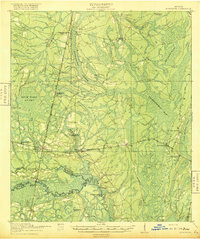 1918 Hortense1918 Print · USGSSoutheast Georgia during the Great War era reveals a landscape shaped by river systems and steam-age railroads. Genealogists can trace family roots through numerous rural landmarks like Pendarvis School, Mt Zion Church, and the river crossing at Rosin Landing.2 unique versions available
 - 1944 Map of Hortense
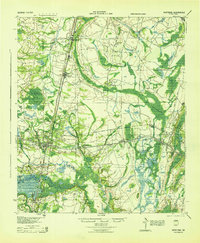 1944 Hortense1944 Print · USGSCoastal Georgia during the mid-forties reveals a landscape defined by the Satilla River and a strategic intersection of two major railroads. Genealogists can trace family roots through rural landmarks like Manningtown, Oak Grove Ch, and Menor Sch.
 - 1946 Map of Brunswick, 1948 Print
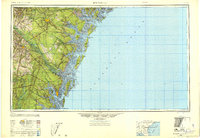 1946 Brunswick1948 Print · USGSCoastal Georgia in the mid-forties reveals a landscape defined by the Camp Stewart Military Reservation and the sprawling barrier islands. Genealogists and historians can trace the rail-and-river network through inland towns like Ludowici and Jesup, or locate coastal landmarks like the St Simon Light.
 - 1948 Map of Brunswick
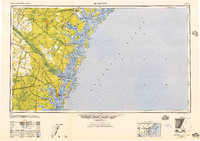 1948 Brunswick1948 Print · USGSCoastal Georgia in the late 1940s is defined here by its labyrinthine barrier islands and the massive footprint of Camp Stewart. Genealogists and historians can trace the rail-tied growth of Jesup and Hinesville or locate coastal landmarks like St Simon Light.
 - 1953 Map of Waycross, 1967 Print
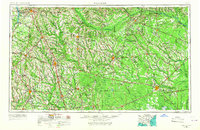 1953 Waycross1967 Print · USGSSouth Georgia's agricultural and rail heartland is captured here in the mid-1950s, showing a vast network of timber and farming towns. Researchers can trace the rail lines connecting Waycross and Tifton or locate landmarks like Jefferson Davis State Park and Lake Blackshear.2 unique versions available
 - 1956 Map of Brunswick, 1968 Print
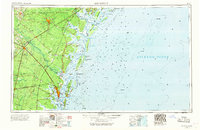 1956 Brunswick1968 Print · USGSThe Georgia coast in the mid-twentieth century is a wild expanse of barrier islands and massive river deltas. You can trace the development of the maritime economy and military presence at Brunswick, or locate historic sites like Fort Frederica National Monument and Harris Neck National Wildlife Refuge.2 unique versions available
 - 1958 Map of Waycross
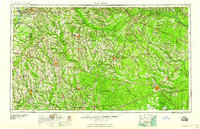 1958 Waycross1958 Print · USGSSoutheast Georgia in the late fifties remains a landscape of deep river basins and vital rail junctions. Genealogists and historians can trace family-named landmarks and rural hubs like Union Church, South Georgia College, and the sprawling Okefenokee Swamp.2 unique versions available
 - 1961 Map of Brunswick
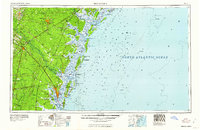 1961 Brunswick1961 Print · USGSThe Georgia coast at the start of the 1960s was a landscape of deep tidal marshes and growing military installations. Genealogists and historians can trace rail-linked towns like Limerick Station or explore coastal landmarks from Fort Frederica National Monument to Sapelo Island.
 - 1967 Map of Hoboken West, 1969 Print
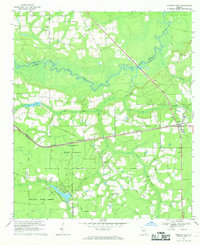 1967 Hoboken West1969 Print · USGSBrantley and Ware counties are shown in the late 1960s, a period defined by the timber industry and the railroad's path through the pine flatwoods. Genealogists can trace family names through numerous rural landmarks like Thrift Cem, St Johns Ch, and the community of Schlatterville.2 unique versions available
 - 1967 Map of Waycross East, 1969 Print
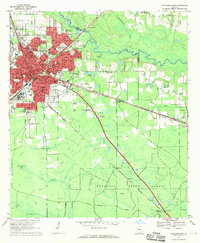 1967 Waycross East1969 Print · USGSWaycross during the late sixties was a thriving railway and educational center at the edge of the Georgia wetlands. Genealogists and historians can trace neighborhood growth through dozens of named schools and cemeteries like Hazzard Hill Cem and Oakland Cemetery.
 - 1971 Map of Dixie Union, 1974 Print
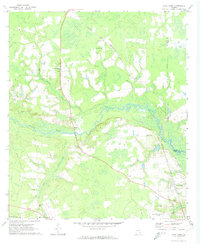 1971 Dixie Union1974 Print · USGSWare County in the early seventies is defined by the winding Satilla River and the rural communities of Dixie Union and Waresboro. Genealogists and local historians can trace old family sites near Jordan Ch or locate the era's local Drive-in Theater.2 unique versions available
 - 1971 Map of Coffee, 1974 Print
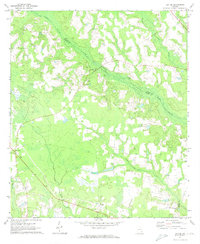 1971 Coffee1974 Print · USGSIn the early 1970s, this portion of Bacon and Appling counties was defined by its winding creek bottoms and scattered rural congregations. Researchers can trace local lineage through sites like New Lacy, Jesus Cem, and Mt Pleasant Ch.
 - 1971 Map of Blackshear East, 1974 Print
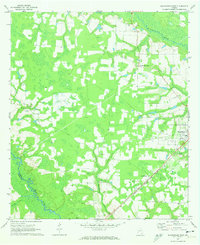 1971 Blackshear East1974 Print · USGSPierce County in the early seventies remains a landscape of rural family settlements and small country churches. Genealogists can trace local roots at the Jot 'Em Down Store, Homestead Ch, and the Seaboard Coast Line rail corridor.2 unique versions available
 - 1971 Map of K'ville, 1974 Print
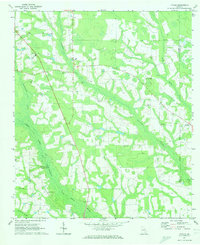 1971 K'ville1974 Print · USGSAppling and Wayne counties meet in this early seventies survey of the Georgia coastal plain. Genealogists and local historians can trace legacy landmarks like Paulk Cem, School No 4, and several country churches including Morris Chapel.2 unique versions available
 - 1971 Map of Patterson, 1974 Print
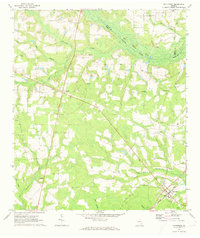 1971 Patterson1974 Print · USGSPierce County during the early seventies reveals a landscape of railroad towns and timbered creek bottoms. Genealogists can trace family landmarks like Aspinwall Cem, Gethsemane Cem, and the rural community surrounding Union Chapel.
 - 1971 Map of Screven, 1974 Print
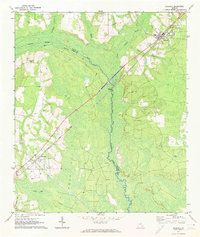 1971 Screven1974 Print · USGSSoutheast Georgia in the early seventies shows the rail-side development of Screven and Offerman amidst the winding Little Satilla River bottomlands. Genealogists can locate several burial sites like Foster Cem and Moody Cem alongside the New Home Ch.2 unique versions available
 - 1971 Map of Blackshear West, 1974 Print
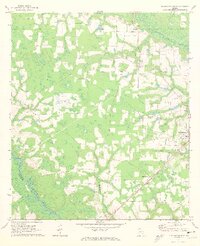 1971 Blackshear West1974 Print · USGSPierce County in the early seventies reveals a landscape of river-bottom lowlands and rural community hubs. Researchers can locate family landmarks like Sweat Cem and Nunn Cem or trace the Seaboard Coast Line through Homestead.2 unique versions available
 - 1971 Map of Mershon, 1974 Print
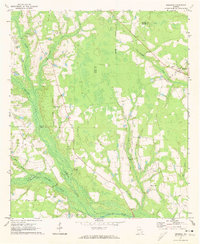 1971 Mershon1974 Print · USGSThe Bacon and Pierce county line comes alive in the early 1970s, showing a landscape defined by the Alabaha River and rural crossroads. Genealogists can trace family names through sites like Mershon Cem, Friendship Ch, and Walkersville.
 - 1971 Map of Patterson SE, 1974 Print
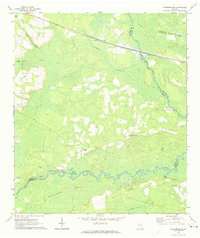 1971 Patterson SE1974 Print · USGSSoutheast of Patterson in the early 1970s, this rural Georgia landscape is defined by the winding Satilla River and its expansive wetlands. Genealogists and local historians can trace family roots through landmarks like Raulerson Cem, Laura Chapel, and the Raulerson Community Center.2 unique versions available
 - 1971 Map of Crawley, 1974 Print
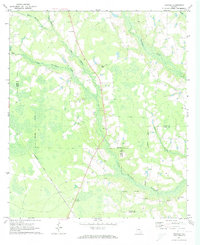 1971 Crawley1974 Print · USGSSoutheast Georgia in the early 1970s is defined here by the rural crossroads and wetlands at the meeting of three counties. Genealogists and historians can trace the Seaboard Coast Line through Crawley and Bolen, or locate family sites like Lee Chapel Cem and Old Pine Grove Ch.2 unique versions available
 - 1978 Map of Hortense
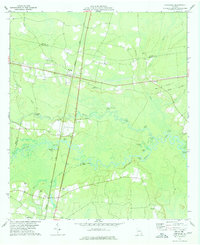 1978 Hortense1978 Print · USGSIn the late 1970s, the rural junction of Hortense and the winding Satilla River defined this corner of Brantley County. Genealogists and local historians can trace small river landings and country churches from Raybon to Needmore, including Satilla Cem and Lewis Ch.
 - 1978 Map of Brunswick
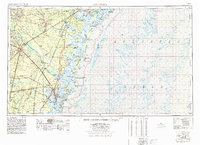 1978 Brunswick1978 Print · USGSThe Georgia coast and its barrier islands are captured in the late 1970s, as I-95 and the rail lines shaped the growth of coastal towns. Genealogists and historians can trace family locations across the islands or locate sites near Fort Stewart, Darien, and Ludowici.2 unique versions available
 - 1978 Map of Waycross, 1982 Print
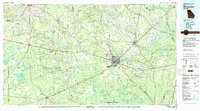 1978 Waycross1982 Print · USGSSoutheast Georgia in the late seventies is a landscape of vast wetlands and busy rail junctions. Genealogists and local historians can trace the Seaboard Coast Line through rural stops like Millwood and Pearson or locate family sites near the Okefenokee Swamp.
 - 1979 Map of Hazlehurst, 1980 Print
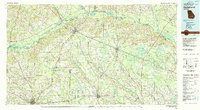 1979 Hazlehurst1980 Print · USGSSoutheast Georgia in the late seventies is defined by the convergence of major rail lines and river basins in Jeff Davis and Appling counties. Genealogists and local historians can trace the development of Hazlehurst and Baxley alongside features like the Pine Grove Pipeline and the Altamaha River wetlands.
 - 1981 Map of Brunswick, 1982 Print
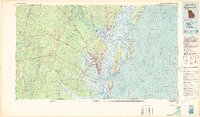 1981 Brunswick1982 Print · USGSThe Georgia coast at the start of the eighties reveals a complex landscape of tidal estuaries, deep-water sounds, and growing island communities. Trace local history through the protected grounds of Fort Frederica National Monument and the old rail stops at Thalmann and Nahunta.3 unique versions available
Showing maps 1-25 of 26
Top cities of Pierce County
Frequently asked questions
- What are the different types of historical maps available for Pierce County?
- What is the oldest map of Pierce County?
- Where can I purchase historical maps of Pierce County for my home or office?
- Where can I download high-res historical maps of Pierce County?
- Are there historical topographic maps available for Pierce County?
- Is there historical aerial imagery available for Pierce County?
- Where are historical maps of Pierce County sourced from?