Old Maps of Quitman County, Georgia
Explore 41 old maps of Quitman County, spanning from 1953 to today. These high-resolution historic maps reveal how streets, neighborhoods, landmarks, and natural features evolved over time — perfect for genealogy, metal detecting, research, and local history exploration.
What you can do with these maps:
- See how Quitman County changed over time: Compare historical maps to modern-day views to trace roads, homesites, rail lines & more.
- View detailed metadata: Each map includes creators, publishers, year, scale, and archive source.
- Overlay maps with satellite & LiDAR: Visualize the past alongside modern tools to explore terrain & human change.
- Trusted historical sources: Maps sourced from the USGS, Library of Congress, and other archives.
- Access maps your way: View online, download high-res files, or order prints for personal or research use.
Start exploring old maps of Quitman County to uncover forgotten places, hidden landmarks, and the deep history beneath your feet.
Quitman County, GA maps
(41)- 1953 Map of Dothan, 1966 Print
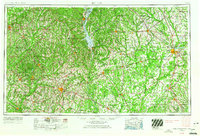 1953 Dothan1966 Print · USGSSoutheast Alabama and Southwest Georgia are captured during a period of massive hydraulic and military expansion in the mid-fifties. Genealogists and historians can trace rural landmarks like Antioch Church and School, the Andrew Jackson Monument, and the early footprint of Fort Rucker Military Reservation.3 unique versions available
 - 1954 Map of Dothan
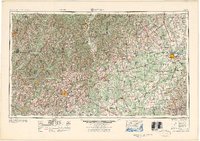 1954 Dothan1954 Print · USGSSoutheast Alabama and Southwest Georgia are seen here in the mid-fifties, during a decade of military expansion and rural transition. Genealogists can trace the location of country schools like Little Zion School or the grounds of Kolomoki Mounds State Park.
 - 1955 Map of Dothan
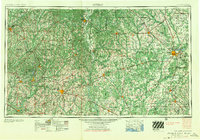 1955 Dothan1955 Print · USGSSoutheast Alabama and Southwest Georgia are captured here in the mid-fifties, showing a landscape of river-port history and growing military bases. Researchers can trace rural life via the Andrew Jackson Monument, Bauxite mines, and the Central of Georgia RR.
 - 1967 Map of Hatcher, 1970 Print
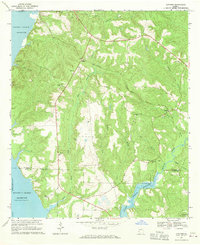 1967 Hatcher1970 Print · USGSCoastal Quitman and Clay Counties appear here in the late sixties as the reservoir reshaped the riverfront landscape. Researchers can locate family landmarks like Ricks Place and Old Pataula Cem, or trace the path of the Central of Georgia railroad.
 - 1967 Map of Georgetown, 1970 Print
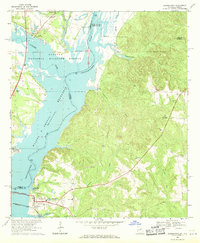 1967 Georgetown1970 Print · USGSThe Quitman County shoreline underwent a dramatic shift in the late sixties as the Chattahoochee River valley was reshaped by new reservoirs. Researchers can trace the submerged geography near Georgetown and locate rural landmarks like Keglar Sch or Bumbleton Courthouse Cem.2 unique versions available
 - 1968 Map of Eufaula North, 1970 Print
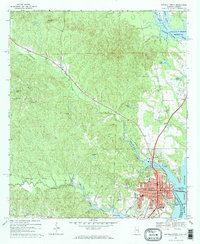 1968 Eufaula North1970 Print · USGSThe Alabama-Georgia borderlands near Eufaula are captured here in the late sixties, just as the reservoir reshaped the riverfront. Researchers can trace family roots at St James Ch, Shorter Cem, and the historic rail corridor of the Central of Georgia.2 unique versions available
 - 1968 Map of Eufaula South, 1970 Print
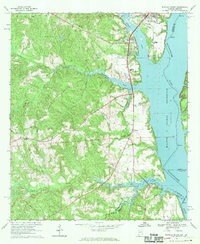 1968 Eufaula South1970 Print · USGSNear the Alabama-Georgia border in the late sixties, the landscape around the reservoir reveals a mix of river industry and deep-rooted rural life. Genealogists and local historians can trace the Old Indian Treaty Bdy and locate landmarks like Bluff City Sch and Epworth Ch.2 unique versions available
 - 1972 Map of Sanford, 1974 Print
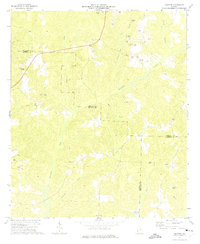 1972 Sanford1974 Print · USGSThe rural borderlands of Stewart and Quitman counties are captured in the early 1970s, showcasing a landscape where industry meets traditional country life. Researchers can trace local congregations at Davis Chapel and Mill Bethel Ch or locate family landmarks like Pearces Pond.
 - 1973 Map of Morris, 1974 Print
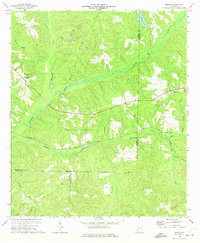 1973 Morris1974 Print · USGSAcross Quitman and Randolph counties in the early seventies, this survey captures a rural landscape shaped by the rail and mining industries. Genealogists and local historians can trace the foundations of Morris, Springvale, and Mt Zion Ch alongside active strip mines.
 - 1981 Map of Albany, 1982 Print
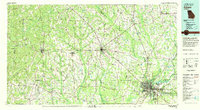 1981 Albany1982 Print · USGSSouthwest Georgia in the early eighties was a region defined by its rail hubs and winding river systems. Here you can trace the agricultural landscape from Albany to Dawson, locating sites like Radium Springs, the U S Naval Reservation, and the historic junction at Shellman.
 - 1981 Map of Troy, 1982 Print
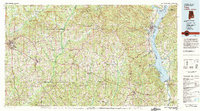 1981 Troy1982 Print · USGSThe Chattahoochee River valley and the wiregrass region of Alabama come alive in the early eighties as the Walter F George Reservoir reshapes the eastern border. Genealogists can trace family roots through historic railroad towns like Brundidge and Louisville or explore the rural surroundings of Blue Springs State Park.
 - 2011 Map of Georgetown, 2011 Print
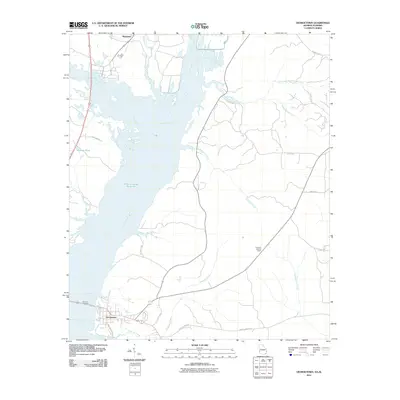 2011 Georgetown2011 Print · USGSThe Georgia-Alabama borderland is shown in the early twenty-first century as the Chattahoochee River flows through the Walter F George Reservoir. Researchers can trace local landmarks like the Quitman Lookout Tower, the Vandiver Causeway, and the historic landing at Watson's Lndg.
 - 2011 Map of Hatcher, 2011 Print
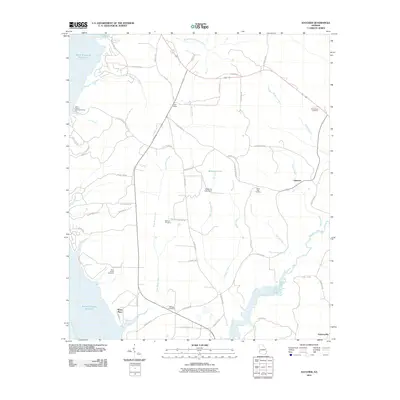 2011 Hatcher2011 Print · USGSQuitman County at the turn of the decade shows a landscape shaped by the Walter F George Reservoir and a network of traditional rural settlements. Genealogists and historians can trace family locations near the Old Pataula Cemetery, Saint Paul Cemetery, and the community of Hatcher.
 - 2011 Map of Eufaula South, 2011 Print
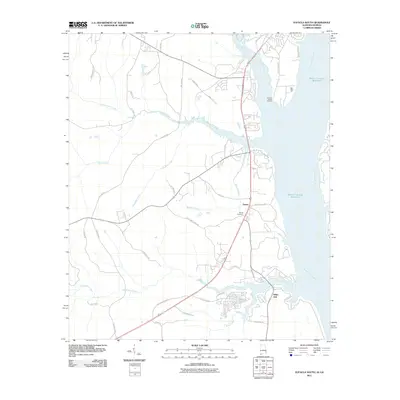 2011 Eufaula South2011 Print · USGSBarbour County’s riverfront comes into focus in this early twenty-first-century survey of the Alabama-Georgia border. Genealogists and local historians can locate Sardis Cemetery and trace the development of riverside communities like Terese and White Oak.2 unique versions available
 - 2011 Map of Eufaula North, 2011 Print
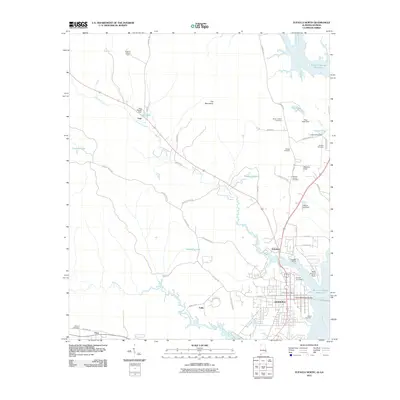 2011 Eufaula North2011 Print · USGSThe riverfront city of EUFAULA and its northern surroundings are detailed here in the early twenty-first century. Researchers can trace family history through numerous burial grounds like Fairview Cemetery and McGee Cemetery or locate landmarks such as Weedon Field.2 unique versions available
 - 2011 Map of Morris, 2011 Print
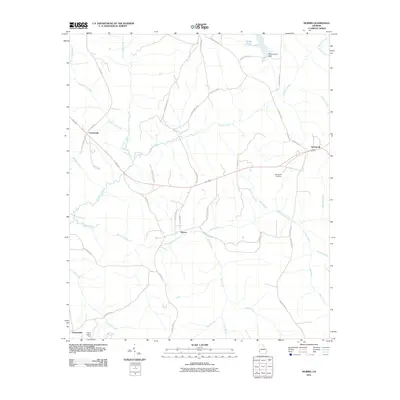 2011 Morris2011 Print · USGSQuitman County at the turn of the decade is defined by its quiet rural settlements and the winding waters of Pataula Creek. Genealogists and local historians can trace family-named roads and remote landmarks like Springvale Cemetery and the Perkins Lookout Tower.
 - 2011 Map of Sanford, 2011 Print
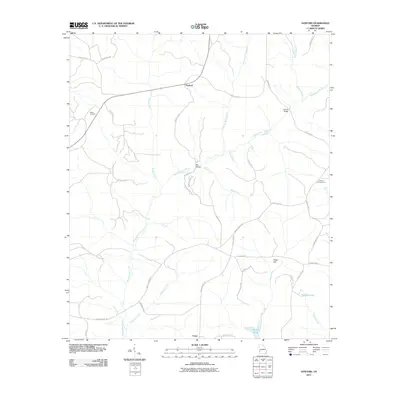 2011 Sanford2011 Print · USGSStewart County at the start of the 2010s was a landscape of quiet crossroads and winding creek branches. Researchers can trace family history through sites like Hogan Cemetery, the settlement of Union, and crossings at Ray Bridge.
 - 2014 Map of Hatcher, 2014 Print
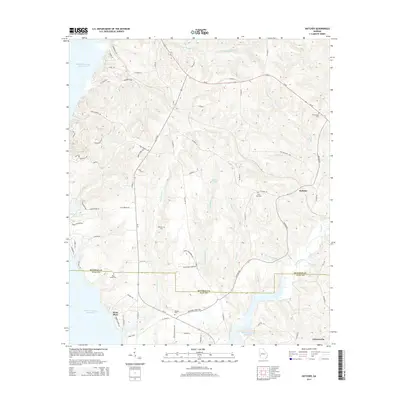 2014 Hatcher2014 Print · USGSThe borderlands of Quitman and Clay counties are shown here as they appeared in the early twenty-first century, bounded by the Walter F George Reservoir. Local historians can trace family roots at Old Pataula Cem and Saint Paul Cem, or locate small settlements like Hatcher and Garnersville.
 - 2014 Map of Georgetown, 2014 Print
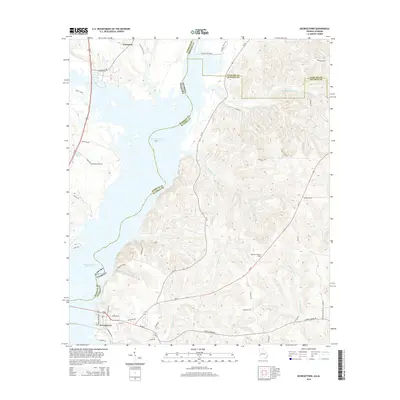 2014 Georgetown2014 Print · USGSThe Alabama and Georgia borderlands meet along the Chattahoochee in the early 2010s, centered on the reservoir and the town of Georgetown. Researchers can trace local landmarks like the Quitman Lookout Tower and old river access points such as Watsons Lndg.
 - 2014 Map of Morris, 2014 Print
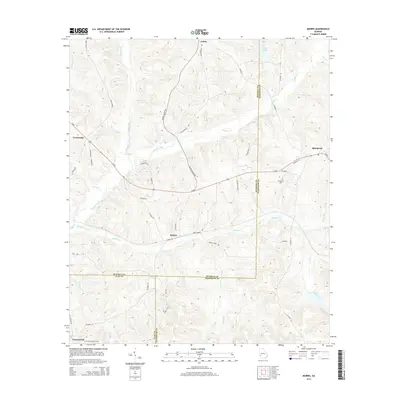 2014 Morris2014 Print · USGSThe tri-county junction of Quitman, Clay, and Randolph counties comes into focus in this early twenty-first-century survey. Local researchers can trace family lands near Morris, locate the Springvale Cem, or follow the winding course of Pataula Creek.
 - 2014 Map of Sanford, 2014 Print
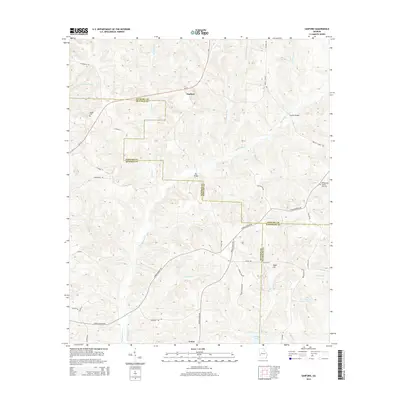 2014 Sanford2014 Print · USGSStewart and Quitman counties meet in this 2014 survey of southwestern Georgia's rural creek valleys and crossroads. Researchers can locate family landmarks like Hogan Cem and County Line Cem or trace the routes of Lower Lumpkin Rd and Union Church Rd.
 - 2014 Map of Eufaula South, 2014 Print
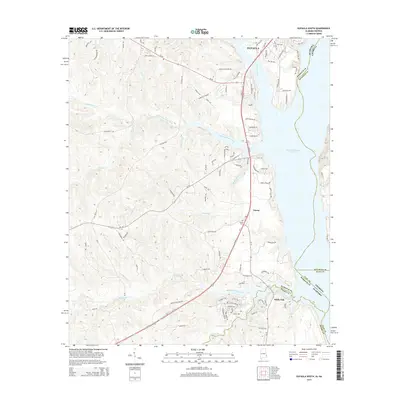 2014 Eufaula South2014 Print · USGSThe Alabama-Georgia borderlands south of Eufaula are defined by the wide waters of the reservoir in the mid-2010s. Researchers can trace rural lineages through Sardis Cem and the small communities of Terese and White Oak.
 - 2014 Map of Eufaula North, 2014 Print
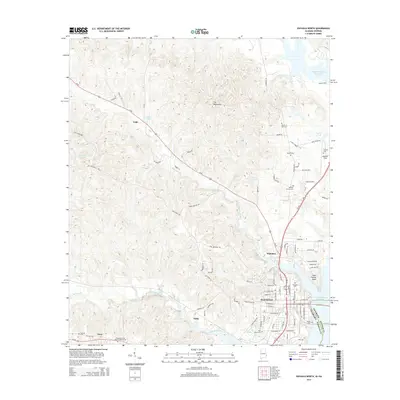 2014 Eufaula North2014 Print · USGSThe riverfront and uplands north of Eufaula are shown here in the mid-2010s, where the Walter F George Reservoir meets the Alabama-Georgia state line. Researchers can trace numerous local landmarks and burial sites, including Weedon Field, Hoboken, and the Fairview Cem.
 - 2017 Map of Morris, 2017 Print
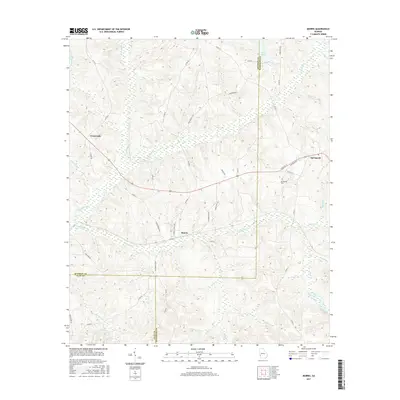 2017 Morris2017 Print · USGSThe tri-county border of Quitman, Clay, and Randolph counties is revealed in this modern survey of southwest Georgia. Researchers can trace rural lineages through family-named routes and local landmarks like Springvale Cem, Morris, and the waters of Pataula Creek.
 - 2017 Map of Sanford, 2017 Print
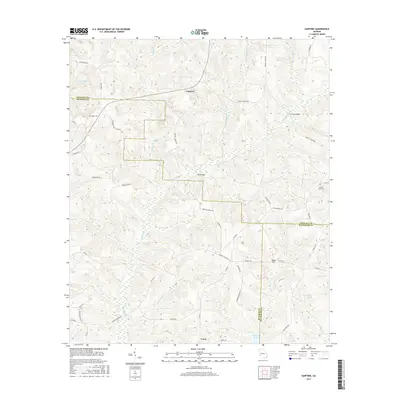 2017 Sanford2017 Print · USGSStewart, Quitman, and Randolph counties meet here in a landscape of rural creek bottoms and quiet crossroads. Trace family roots at Hogan Cem or County Line Cem, and follow old routes to Sanford and the crossing at Ray Bridge.
Showing maps 1-25 of 41
Top cities of Quitman County
Frequently asked questions
- What are the different types of historical maps available for Quitman County?
- What is the oldest map of Quitman County?
- Where can I purchase historical maps of Quitman County for my home or office?
- Where can I download high-res historical maps of Quitman County?
- Are there historical topographic maps available for Quitman County?
- Is there historical aerial imagery available for Quitman County?
- Where are historical maps of Quitman County sourced from?