Old Maps of Webster County, Georgia for Hiking & Exploration
Hike through history with 62 historic maps of Webster County. Explore old trails, ghost towns, and forgotten backroads — perfect for outdoor adventurers and local explorers.
- Rediscover forgotten places: Map out old mining camps, roads, and footpaths that no longer exist on modern maps.
- Layer with modern tools: Combine with LiDAR or satellite views to plan hikes through historical terrain.
- Made for exploration: Popular among hikers, overlanders, and local history lovers.
Use these maps to find adventure and explore the hidden past of Webster County.
Webster County, GA maps
(62)- 1953 Map of Dothan, 1966 Print
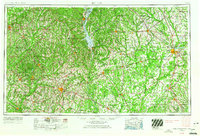 1953 Dothan1966 Print · USGSSoutheast Alabama and Southwest Georgia are captured during a period of massive hydraulic and military expansion in the mid-fifties. Genealogists and historians can trace rural landmarks like Antioch Church and School, the Andrew Jackson Monument, and the early footprint of Fort Rucker Military Reservation.3 unique versions available
 - 1954 Map of Dothan
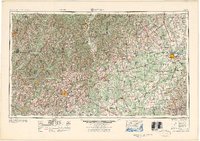 1954 Dothan1954 Print · USGSSoutheast Alabama and Southwest Georgia are seen here in the mid-fifties, during a decade of military expansion and rural transition. Genealogists can trace the location of country schools like Little Zion School or the grounds of Kolomoki Mounds State Park.
 - 1955 Map of Dothan
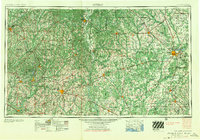 1955 Dothan1955 Print · USGSSoutheast Alabama and Southwest Georgia are captured here in the mid-fifties, showing a landscape of river-port history and growing military bases. Researchers can trace rural life via the Andrew Jackson Monument, Bauxite mines, and the Central of Georgia RR.
 - 1955 Map of Phenix City, 1964 Print
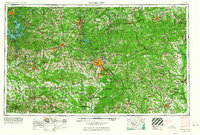 1955 Phenix City1964 Print · USGSPost-war Alabama and Georgia meet along the Chattahoochee River as industry and military installations expand. Trace the rail lines of the Central of Georgia through towns like Opelika, Tuskegee, and Alexander City.3 unique versions available
 - 1957 Map of Phenix City
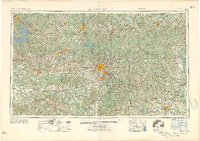 1957 Phenix City1957 Print · USGSThe Alabama-Georgia borderlands are captured here in the mid-fifties, centered on the bustling river crossing at Phenix City and Columbus. Researchers can trace the mid-century footprint of the Fort Benning Military Reservation or locate smaller textile and railroad towns like Langdale and Camp Hill.
 - 1958 Map of Phenix City
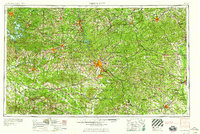 1958 Phenix City1958 Print · USGSThe Alabama-Georgia borderlands thrive during the late fifties, anchored by the river-driven industry of Columbus and Phenix City. Researchers can trace the mid-century footprints of Fort Benning, Auburn, and the textile towns of Fairfax and Lanett.
 - 1972 Map of Preston, 1974 Print
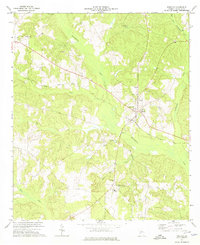 1972 Preston1974 Print · USGSPreston and the surrounding Webster County countryside appear in the early 1970s as a landscape defined by traditional rail corridors and rural parishes. Genealogists and historians can trace community roots at the Enterprise Cem, Shiloh Ch, and along the Kinchafoonee Creek.
 - 1972 Map of Parrott, 1974 Print
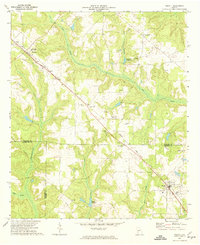 1972 Parrott1974 Print · USGSThe rail-and-creek landscape of Southwest Georgia in the early seventies shows the intersection of three counties and their rural townships. Genealogists can trace family landmarks like Foremans Cem, Green Point Ch, and the school grounds of Greenfield Academy.
 - 1972 Map of Richland, 1974 Print
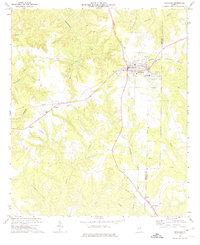 1972 Richland1974 Print · USGSRichland and the surrounding Georgia countryside are shown in the early seventies as a thriving rail-centered hub near the Stewart and Webster county line. Researchers can locate family landmarks including Harmony Cem, Upper Sardis Ch, and the community of Randall.2 unique versions available
 - 1972 Map of Benevolence, 1974 Print
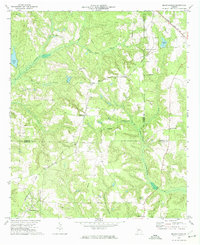 1972 Benevolence1974 Print · USGSSouthwest Georgia in the 1970s shows a landscape of small crossroads and country parishes. Genealogists can trace family footprints near Benevolence or locate rural landmarks like Mt Pleasant Ch and the Seaboard Coast Line.
 - 1973 Map of Church Hill, 1974 Print
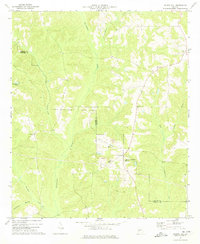 1973 Church Hill1974 Print · USGSThe borderlands of Marion and Webster Counties are documented here in the early seventies, showing a landscape defined by traditional rural communities and emerging industry. Researchers can locate specific family landmarks like Old Union Cem, Evans Chapel, and the active Strip Mine near Church Hill.2 unique versions available
 - 1973 Map of Plains, 1975 Print
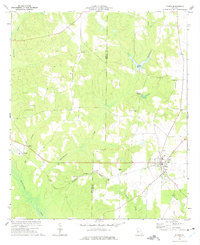 1973 Plains1975 Print · USGSThe rural agricultural landscape of Sumter County is captured here in the early seventies, centered on the community of Plains. Genealogists and historians can trace rail-side hamlets like Archery, old burial grounds like Lebanon Cem, and several local landmarks including Youngs Millpond.2 unique versions available
 - 1973 Map of Bottsford, 1975 Print
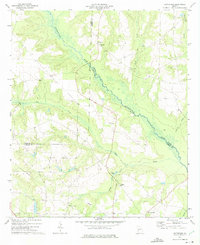 1973 Bottsford1975 Print · USGSWest Georgia's rural landscape at the start of the 1970s is captured here as the borders of three counties meet. Researchers can trace family sites and local history through numerous landmarks like Bottsford, Providence Cem, and Wallers Ch.
 - 1973 Map of Draneville, 1975 Print
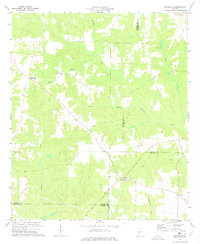 1973 Draneville1975 Print · USGSThe rural crossroads of Marion County are preserved here during the 1970s, showing a landscape of family farms and creek-bottom timber. Genealogists can trace local landmarks like Mt Carmel Ch, the Mt Carmel Cem, and the settlement at Friendship.
 - 1973 Map of Brooklyn, 1975 Print
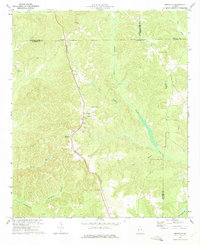 1973 Brooklyn1975 Print · USGSStewart County at the start of the 1970s is captured here in a moment of rural transition, centered on the Seaboard Coast Line corridor. Genealogists can trace family names and landmarks like Pierson or Slaughter Creek Cemetery, and locate churches such as Red Hill Ch.
 - 1981 Map of Albany, 1982 Print
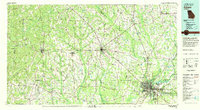 1981 Albany1982 Print · USGSSouthwest Georgia in the early eighties was a region defined by its rail hubs and winding river systems. Here you can trace the agricultural landscape from Albany to Dawson, locating sites like Radium Springs, the U S Naval Reservation, and the historic junction at Shellman.
 - 1981 Map of Americus, 1982 Print
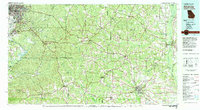 1981 Americus1982 Print · USGSWest Georgia and East Alabama appear here during the early 1980s, showcasing the transition from military reservation to agricultural heartland. Researchers can trace the Central of Georgia rail lines through towns like Plains, Ellaville, and the historic site of Andersonville.
 - 2011 Map of Brooklyn, 2011 Print
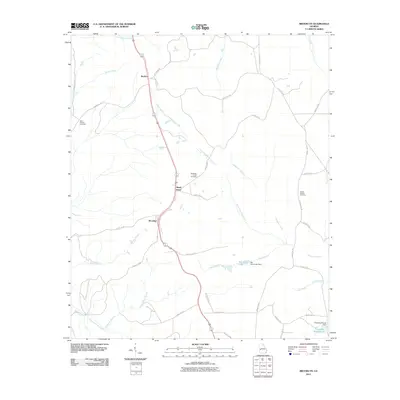 2011 Brooklyn2011 Print · USGSThe rural settlements of Brooklyn and Renfroe are documented here in the early twenty-first century, showing the established road networks and creek systems of the Georgia interior. Researchers can locate family landmarks like Saint Phillip's Cemetery and Van Cleve Lake.
 - 2011 Map of Richland, 2011 Print
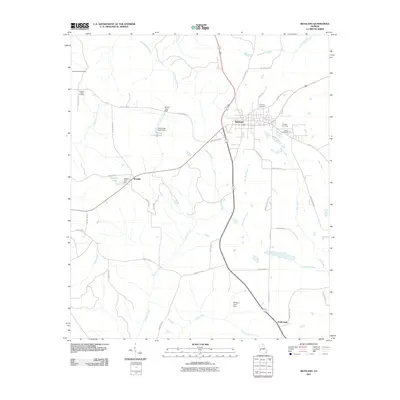 2011 Richland2011 Print · USGSRichland and the surrounding Stewart County countryside are captured here in the early twenty-first century. Genealogists and local historians can trace family roots through Pleasant Valley Cemetery, Whitt Cemetery, and the old rail connections near Randall.
 - 2011 Map of Plains, 2011 Print
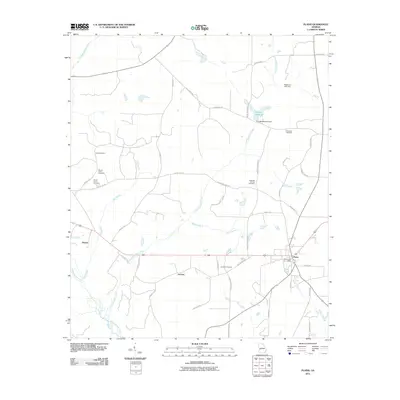 2011 Plains2011 Print · USGSThe agricultural heart of Sumter County is captured here in the early 2000s, centered on the community of Plains. Local historians can trace family land via Davis Cemetery, explore the rural settlement of Archery, or follow the course of Choctahatchee Creek.
 - 2011 Map of Preston, 2011 Print
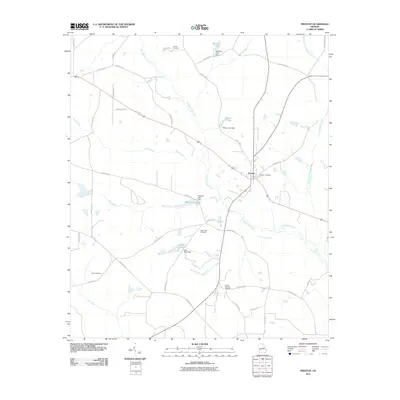 2011 Preston2011 Print · USGSPreston and the surrounding Webster County countryside are shown here in the early twenty-first century, centered on the vital waters of Kinchafoonee Creek. Researchers can trace local family history through numerous rural burial grounds such as Lowrey Cemetery, Askew Cemetery, and Poplar Springs Cemetery.
 - 2011 Map of Draneville, 2011 Print
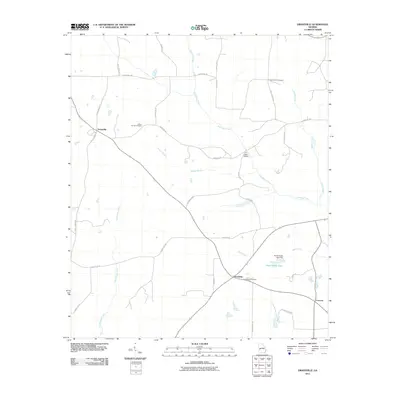 2011 Draneville2011 Print · USGSWestern Sumter County is captured here in the early twenty-first century, showing a rural landscape shaped by winding creek systems. Researchers can trace family history through the Mount Carmel and Friendship Cemetery or locate landmarks like the Ira Kelly Bridge.
 - 2011 Map of Church Hill, 2011 Print
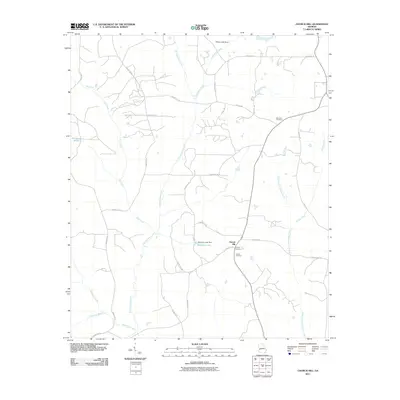 2011 Church Hill2011 Print · USGSMarion County, Georgia, is shown here in the early twenty-first century, a landscape of winding creeks and quiet rural settlements. Genealogists can locate family landmarks like Old Union Cemetery, Smyrna Cemetery, and the community of Church Hill.
 - 2011 Map of Bottsford, 2011 Print
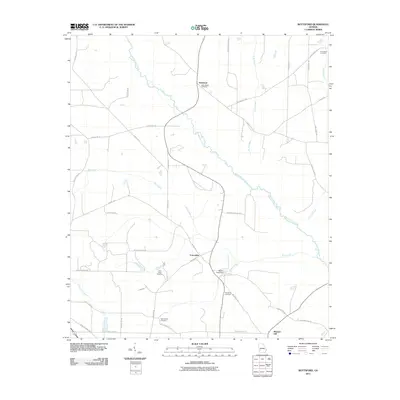 2011 Bottsford2011 Print · USGSSumter County in the early twenty-first century maintains a deeply rural character shaped by winding creeks and family-named roads. Genealogists and local historians can locate several burial sites like Providence Cemetery or trace the rural geography of Cottondale and Bottsford.
 - 2011 Map of Parrott, 2011 Print
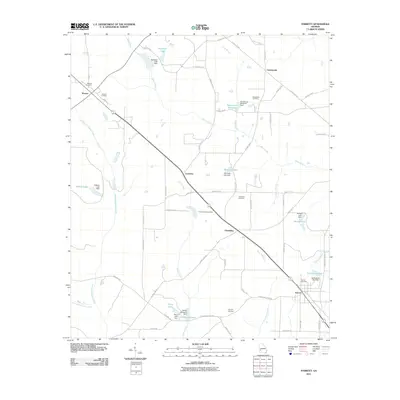 2011 Parrott2011 Print · USGSTerrell County farmland and local millponds are mapped here during the early twenty-first century. Researchers can trace rural lineages through sites like Macedonia Cemetery or explore the hydrography of Veneys Millpond and Ichawaynochaway Creek.
Showing maps 1-25 of 62
Top cities of Webster County
Frequently asked questions
- What are the different types of historical maps available for Webster County?
- What is the oldest map of Webster County?
- Where can I purchase historical maps of Webster County for my home or office?
- Where can I download high-res historical maps of Webster County?
- Are there historical topographic maps available for Webster County?
- Is there historical aerial imagery available for Webster County?
- Where are historical maps of Webster County sourced from?