Old Maps of Wainaku, Hawaii for Academic Research
Study the evolution of Wainaku with 20 high-resolution historic maps. Whether you're teaching, researching, or modeling changes in land use, these maps provide essential visual documentation of urban, environmental, and geographic change.
- Analyze long-term change: Track patterns in development, transportation, and natural features.
- Ideal for environmental or urban studies: Support academic projects with primary historical map data.
- Use in the classroom or lab: Educators and researchers rely on these maps to bring historical context to life.
These maps are a powerful tool for teaching, research, and visualizing how Wainaku has changed over the decades.
Wainaku, HI maps
(20)- 1915 Map of Honomu
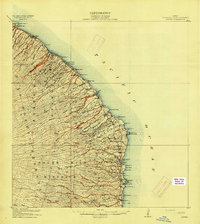 1915 Honomu1915 Print · USGSThe Hamakua and Hilo coastlines appear in incredible detail in this early territorial survey of Hawaii. Genealogists and historians can trace the foundations of plantation life at Honomu and Papaaloa, or locate long-standing landmarks like Akaka Falls and the Pohakupuka School.3 unique versions available
 - 1917 Map of Hilo
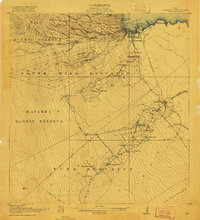 1917 Hilo1917 Print · USGSThe Hilo region during the Great War era shows a landscape shaped by sugar production and volcanic history. Researchers can trace the Hilo R. R. through plantation hubs like Olaa Plantation Mill and early settlements including Mountain View and Elevenmile Homestead.
 - 1932 Map of Hilo
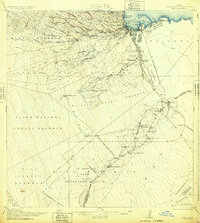 1932 Hilo1932 Print · USGSCoastal Hawaii and the Puna district appear here at the height of the plantation era, before major mid-century modernization. Researchers can trace the layout of sugar camps and early rail lines, locating the Olaa Plantation Mill, the Hilo Air Port, and the track of the Lava Flow of 1881.2 unique versions available
 - 1954 Map of Hawaii North
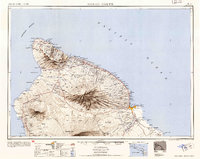 1954 Hawaii North1954 Print · USGSThe Big Island in the mid-fifties shows a landscape of active volcanic history and a peak sugar-mill economy. Trace the route of the Hawaii Consolidated Railway, locate the Olaa Plantation Mill, and see the extent of the Lava flow of 1881 near Hilo.
 - 1959 Map of Hawaii North
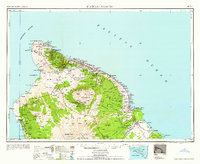 1959 Hawaii North1959 Print · USGSThe northern half of Hawaii Island in the late fifties shows a landscape shaped by historic volcanic activity and a thriving sugar and ranching economy. Researchers can trace historic lava flows alongside local landmarks like Upolu Point Airport, Huehue Ranch, and the Pacific Sugar Mill.
 - 1961 Map of Hawaii North
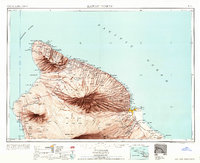 1961 Hawaii North1961 Print · USGSThe Big Island's northern reaches are shown here in the early sixties, during the peak of the sugar era and before modern resort development. Researchers can trace the Hawaii Consolidated railroad, locate the Ahu a Umi Heiau Ruins, and explore sugar industry landmarks like the Pacific Sugar Mill.2 unique versions available
 - 1963 Map of Hilo, 1964 Print
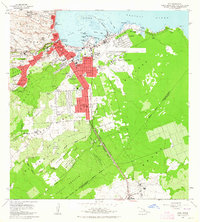 1963 Hilo1964 Print · USGSHilo and its surrounding homesteads are captured in detail during the early sixties, showing the city's expansion against the backdrop of the Panaewa Forest Reserve. Researchers can trace old family footprints in the Waiakea Homesteads, locate the Sugar Mill, or find St Josephs High Sch and Rainbow Falls.2 unique versions available
 - 1966 Map of Papaikou, 1967 Print
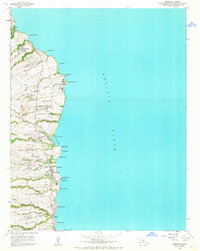 1966 Papaikou1967 Print · USGSThe Hamakua Coast of Hawaii Island is shown here during the height of the plantation era, characterized by coastal sugar mills and upland flumes. Local historians can trace the development of Pepeekeo Mill and the specific boundaries of Kulaimano Homesteads and Kaieie Homesteads.
 - 1975 Map of Hawaii, 1977 Print
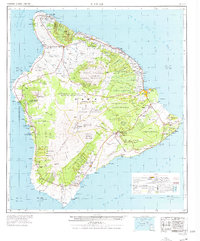 1975 Hawaii1977 Print · USGSThe Big Island in the mid-seventies is captured here as a landscape of volcanic giants and coastal sugar communities. Genealogists and historians can locate former plantation sites like Pepeekeo Mill or trace the routes of the Mamalahoa Highway through Kamuela.
 - 1977 Map of Hilo, 1981 Print
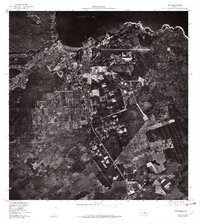 1977 Hilo1981 Print · USGSHilo at the end of the 1970s is shown in striking aerial detail, capturing the city's transition from a plantation hub to a modern urban center. Researchers can trace the development of the city grid, the industrial harbor at Hilo Bay, and the expanding footprint of Hilo.
 - 1980 Map of Hawaii County Sheet 2, 1985 Print
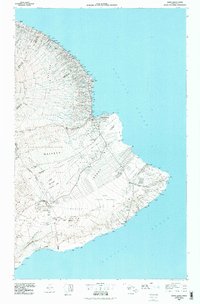 1980 Hawaii County Sheet 21985 Print · USGSThe eastern coast of the Big Island is captured here in the early eighties, showcasing the intersection of active volcanic landforms and historic plantation towns. Researchers can trace family roots through settlements like Laupahoehoe and Papaikou, or explore the road networks around Kilauea Crater and General Lyman Field.
 - 1981 Map of Hilo
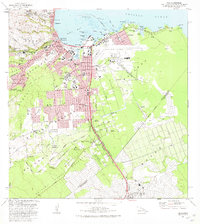 1981 Hilo1981 Print · USGSCoastal Hawaii comes into focus in the early eighties as Hilo transitions from its plantation roots to a modern regional hub. Researchers can trace family history through Homelani Memorial Park or locate industrial sites like the Puna Sugar Company Mill.2 unique versions available
 - 1994 Map of Papaikou, 1998 Print
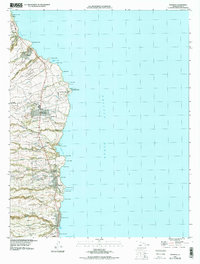 1994 Papaikou1998 Print · USGSThe Hamakua Coast’s plantation heritage and homestead settlements are captured here in the mid-nineties. Trace the industrial footprint of the Pepeekeo Mill, locate family sites at Andrade Camp, or explore the grounds of the Mauna Kea Memorial Park.
 - 1995 Map of Hilo, 1998 Print
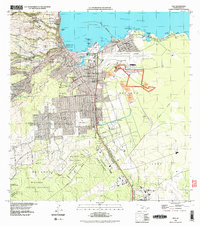 1995 Hilo1998 Print · USGSHilo's coastal and industrial landscape comes into focus during the mid-nineties, showing the city's relationship with its volcanic history. Researchers can trace the path of the Lava Flow of 1881 or locate local landmarks like the Puna Sugar Company Mill and 8 1/2 Mile Camp.
 - 2013 Map of Papaikou, 2013 Print
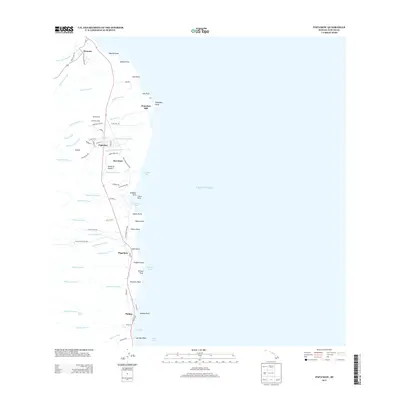 2013 Papaikou2013 Print · USGSThe Hamakua Coast’s industrial and agricultural roots are on display in this modern survey of the Pepeekeo area. Genealogists and historians can trace old company housing at Andrade Camp, the central Pepeekeo Mill, and the coastal hamlets of Honomu and Pāpaʻikou.
 - 2013 Map of Hilo, 2013 Print
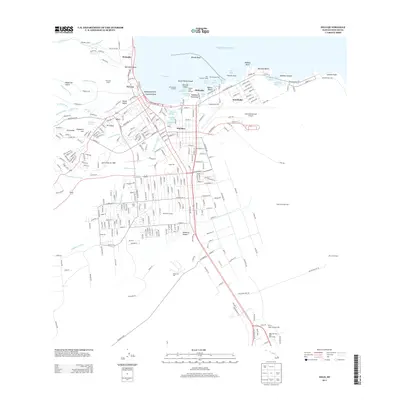 2013 Hilo2013 Print · USGSHilo's coastal landscape and urban footprint are captured here in the early twenty-first century, showing the intersection of modern infrastructure and geologic history. Trace the path of the Lava Flow of 1881 and locate former plantation sites like Eight and One Half Mile Camp or 'Amauulu Camp.
 - 2017 Map of Hilo, 2017 Print
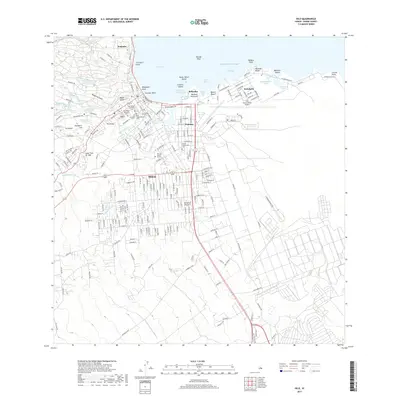 2017 Hilo2017 Print · USGSHilo and the eastern shores of Hawaii are captured here in the late twenty-teens, showing a landscape shaped by both modern industry and historic volcanic events. Researchers can trace local heritage at Homelani Cem and explore the geography of the Lava Flow of 1881 and Waiākea Peninsula.
 - 2017 Map of Papaikou, 2017 Print
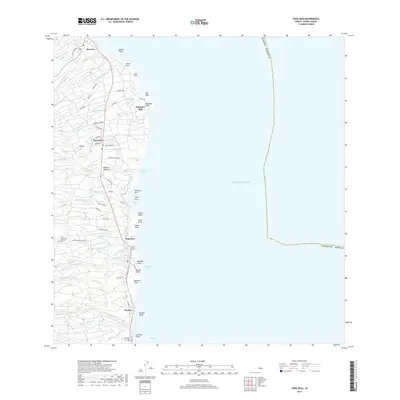 2017 Papaikou2017 Print · USGSThe Hamakua Coast of the Big Island appears here in the late 2010s, showing the enduring geography of plantation-era towns. Researchers can trace local history through sites like Pepeekeo Mill, Alae Cem, and the winding route of Old Mamalahoa Hwy.
 - 2024 Map of Hilo, 2024 Print
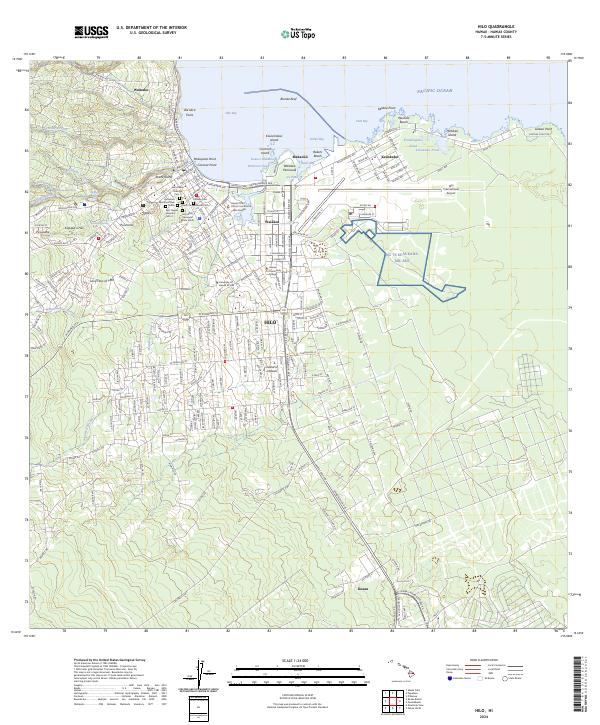 2024 Hilo2024 Print · USGSHilo's coastal landscape and urban growth are documented here in the early twenty-first century. Genealogists and historians can locate specific sites like Homelani Memorial Park, the Lava Flow of 1881, and the NG TS Keaukaha Mil Res.
 - 2024 Map of Papaikou, 2024 Print
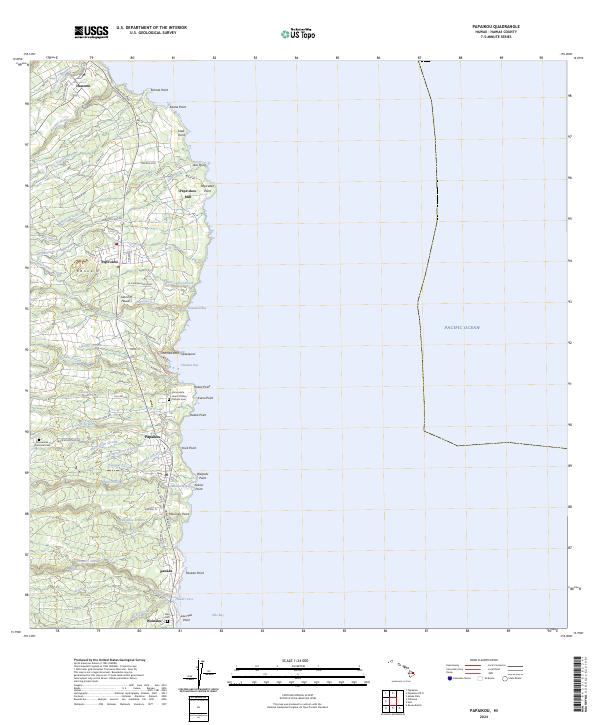 2024 Papaikou2024 Print · USGSThe Hamakua Coast comes alive in this contemporary survey, showing the transition from historic plantation centers to modern residential communities. Genealogists and local historians can trace family sites at Alae Cem, the Pepe'ekeo Mill, and Honomu.
End of results
Showing maps 1-20 of 20
Top cities near Wainaku
Frequently asked questions
- What are the different types of historical maps available for Wainaku?
- What is the oldest map of Wainaku?
- Where can I purchase historical maps of Wainaku for my home or office?
- Where can I download high-res historical maps of Wainaku?
- Are there historical topographic maps available for Wainaku?
- Is there historical aerial imagery available for Wainaku?
- Where are historical maps of Wainaku sourced from?