Old Maps of Shelley, Idaho for Academic Research
Study the evolution of Shelley with 33 high-resolution historic maps. Whether you're teaching, researching, or modeling changes in land use, these maps provide essential visual documentation of urban, environmental, and geographic change.
- Analyze long-term change: Track patterns in development, transportation, and natural features.
- Ideal for environmental or urban studies: Support academic projects with primary historical map data.
- Use in the classroom or lab: Educators and researchers rely on these maps to bring historical context to life.
These maps are a powerful tool for teaching, research, and visualizing how Shelley has changed over the decades.
Shelley, ID maps
(33)- 1948 Map of Woodville, 1954 Print
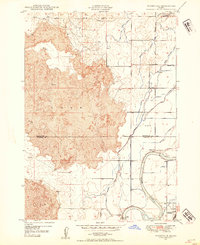 1948 Woodville1954 Print · USGSThe eastern Snake River Plain in the late 1940s reveals a landscape split between volcanic fields and irrigation. Genealogists and historians can trace family-named waterworks like the Olson Canal and Hanson Canal near the settlement of Woodville.
 - 1948 Map of Idaho Falls South, 1965 Print
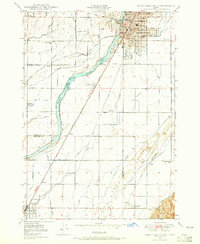 1948 Idaho Falls South1965 Print · USGSIn the late 1940s, the area south of Idaho Falls was a thriving agricultural valley defined by a sophisticated irrigation network and the SNAKE RIVER. Genealogists and local historians can trace rural school districts like Stanton Sch and York Sch, alongside landmarks such as the LDS Temple and Fielding Memorial Cem.3 unique versions available
 - 1950 Map of Woodville
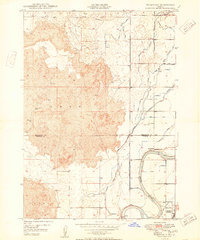 1950 Woodville1950 Print · USGSSoutheast Idaho at mid-century reveals a landscape divided between the ancient Lava flows and a burgeoning agricultural network. Researchers can trace the development of irrigation systems like the Great Western Canal and locate the Woodville Cem near the banks of the Snake River.
 - 1950 Map of Idaho Falls South
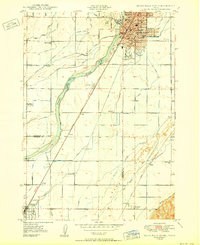 1950 Idaho Falls South1950 Print · USGSThe Snake River Plain south of Idaho Falls reveals an intricate mid-century network of irrigation canals and rural school districts. Genealogists can locate family landmarks like New Sweden Cemetery, the LDS Temple, and the Riverdale Sch (Aband'd).
 - 1950 Map of Goshen, 1976 Print
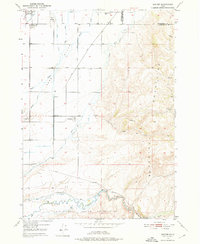 1950 Goshen1976 Print · USGSIn the early 1950s, the Bingham County countryside was a complex network of rail and irrigation. Genealogists and local historians can trace family roots through the Goshen community, rural landmarks like the Jameston Sch, and the Union Pacific corridor.
 - 1952 Map of Goshen
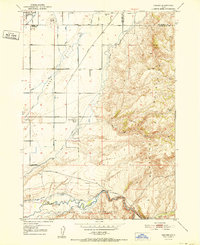 1952 Goshen1952 Print · USGSBingham County agriculture and irrigation are captured here in the early 1950s as water management reshaped the Snake River Plain. Trace the vital network of the Highline Canal and Idaho Canal alongside landmarks like Jameston Sch and the Snake River.
 - 1955 Map of Firth, 1957 Print
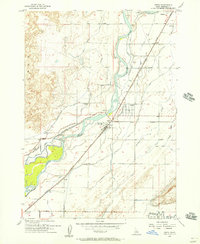 1955 Firth1957 Print · USGSBingham County agricultural life in the mid-fifties centered on the rail-and-river corridor between Shelley and Firth. Local historians can trace the intricate network of the Great Western Canal, the Hillcrest Cemetery, and the Basalt rail siding.2 unique versions available
 - 1955 Map of Idaho Falls, 1963 Print
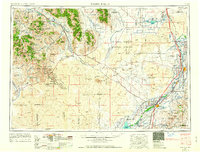 1955 Idaho Falls1963 Print · USGSThe Snake River Plain and its surrounding volcanic peaks are captured in the late fifties, showing the region's unique mix of nuclear research and high-desert ranching. Trace the industrial footprint of the National Reactor Testing Station or find old mining sites like Empire Mine.5 unique versions available
 - 1958 Map of Idaho Falls
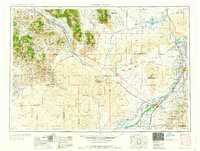 1958 Idaho Falls1958 Print · USGSEastern Idaho in the late fifties showcases the rapid expansion of agricultural and scientific outposts across its volcanic plains. Researchers can locate remote sites like Atomic City, mineral interests at White Knob Mine, and the cultural grounds of St Marys Mission.2 unique versions available
 - 1959 Map of Woodville, 1979 Print
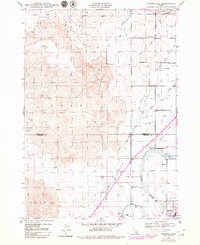 1959 Woodville1979 Print · USGSThe Snake River Plain in the mid-twentieth century reveals an intricate landscape of irrigation and volcanic terrain. Researchers can trace the development of Woodville and Shelley alongside extensive water networks like the Great Western Canal and Sidehill Canal.
 - 1976 Map of Idaho Falls South, 1981 Print
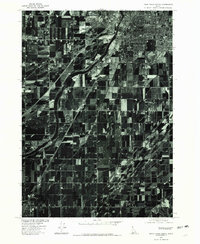 1976 Idaho Falls South1981 Print · USGSAgricultural development along the Snake River is captured in detail during the mid-seventies just south of Idaho Falls. Local historians can trace the irrigation patterns of the Great Western Canal and the early layout of Shelly.
 - 1978 Map of Blackfoot, 1997 Print
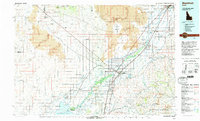 1978 Blackfoot1997 Print · USGSThe Snake River Valley in the late 1970s shows a landscape of volcanic lava flows meeting intensive irrigation. Genealogists and local historians can trace the irrigation canals and rail towns from Atomic City to the Fort Hall Indian Reservation and Gay Mine.
 - 1998 Map of Goshen, 2002 Print
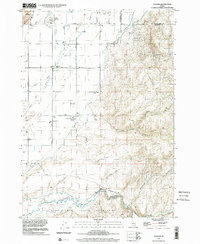 1998 Goshen2002 Print · USGSBingham County and Bonneville County meet here at the close of the twentieth century, where irrigation canals transform the high desert into fertile farmland. Local historians can trace early community sites like Goshen and Shelley, or locate the Jamestown Sch and landmarks within the Fort Indian Hall Indian Reservation.
 - 2010 Map of Idaho Falls South, 2010 Print
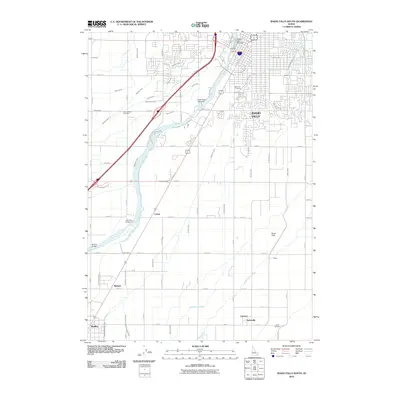 2010 Idaho Falls South2010 Print · USGSThe Snake River corridor south of Idaho Falls reveals a high-desert landscape transformed by a sophisticated network of canals and dams. Genealogists and researchers can trace local roots through Rose Hill Cemetery, Taylorville, and family-named landmarks like Bennett Bridge.
 - 2010 Map of Firth, 2010 Print
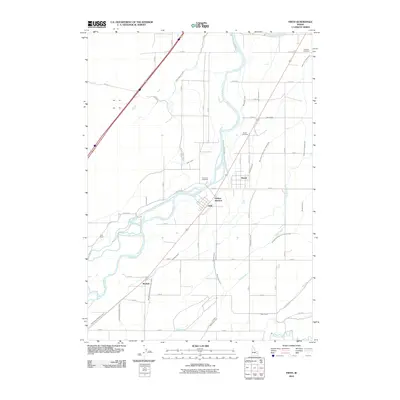 2010 Firth2010 Print · USGSBingham County’s agricultural heartland is documented here in the early twenty-first century as the Snake River feeds an intricate network of desert canals. Genealogists can locate family-named sites like Neil Ranch and the Hillcrest Cemetery or trace the early foundations of Firth and Basalt.
 - 2010 Map of Woodville, 2010 Print
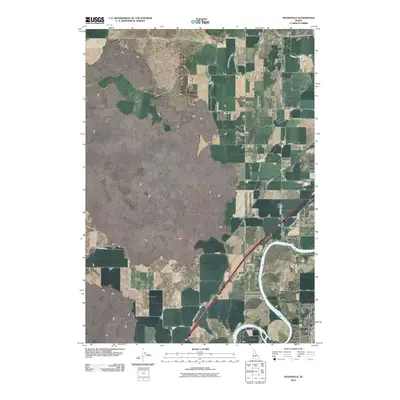 2010 Woodville2010 Print · USGSThe rural landscape near Shelley and Woodville, Idaho, is defined by the winding Snake River and an extensive irrigation network as seen in the early twenty-first century. Genealogists and local historians can trace the Woodville Cemetery, the Shelley Bridge, and major waterways like the Oakland Canal.
 - 2010 Map of Goshen, 2010 Print
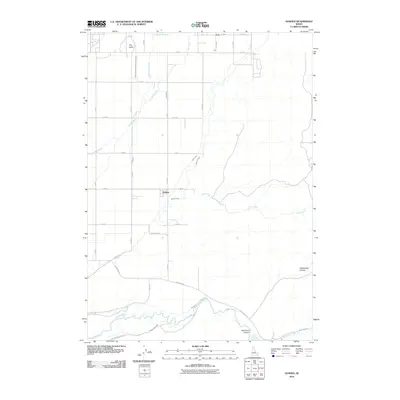 2010 Goshen2010 Print · USGSBingham County agricultural life in the early twenty-first century is centered on the vital waters of the Blackfoot River. Genealogists and historians can trace the irrigation network from The Butte down to Wolverine Canyon via the Highline Canal and Idaho Canal.
 - 2013 Map of Woodville, 2013 Print
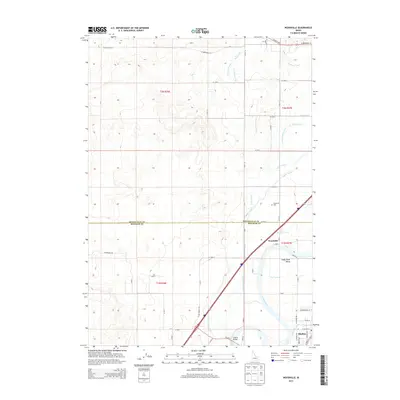 2013 Woodville2013 Print · USGSBingham and Bonneville counties were defined by their complex irrigation networks in the early twenty-first century. Genealogists and historians can trace the development of Woodville and Shelley alongside critical water features like the Great Western Canal and Woodville Cem.
 - 2013 Map of Goshen, 2013 Print
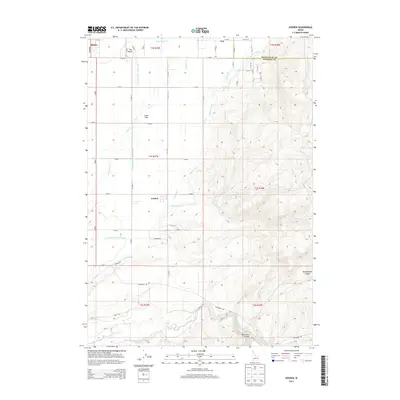 2013 Goshen2013 Print · USGSThe rural landscape between the Blackfoot River and Shelley is revealed in this early twenty-first-century survey. Genealogists and local historians can trace irrigation networks like the Little Indian Ditch and Jensen Lateral that shaped the settlement of Goshen.
 - 2013 Map of Firth, 2013 Print
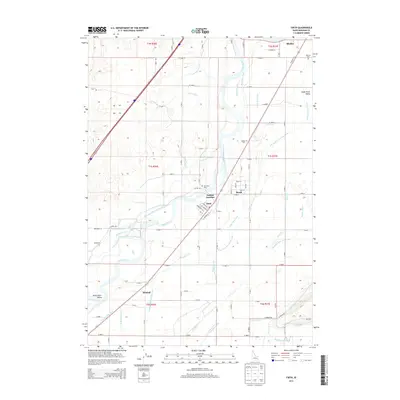 2013 Firth2013 Print · USGSThe Snake River Valley in the early twenty-first century is defined by its intricate irrigation networks and riverside towns. Researchers can trace local lineages through Riverview Cemetery or explore the canal-side layouts of Firth, Basalt, and Goshen Junction.
 - 2013 Map of Idaho Falls South, 2013 Print
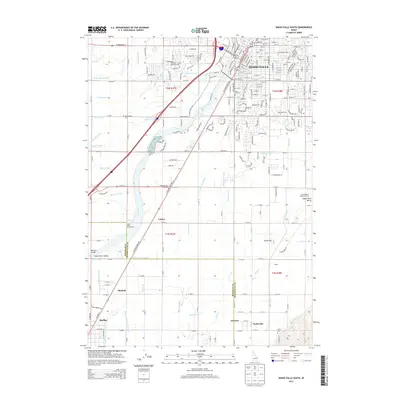 2013 Idaho Falls South2013 Print · USGSThe Snake River Valley south of Idaho Falls is depicted here in the early twenty-first century, showing a landscape defined by irrigation and rail. Researchers can trace the routes of the Union Pacific and locate established sites like Rose Hill Cem and Taylorville.
 - 2017 Map of Woodville, 2017 Print
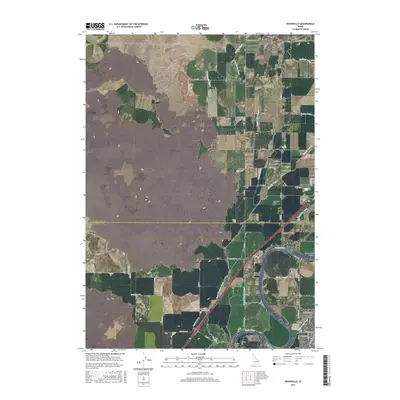 2017 Woodville2017 Print · USGSIn the fertile plains south of Idaho Falls, this 2017 study details the complex irrigation network feeding local agriculture. Genealogists and researchers can trace the settlement of Woodville, locate the Woodville Cem, and follow the path of the Great Western Canal.
 - 2017 Map of Firth, 2017 Print
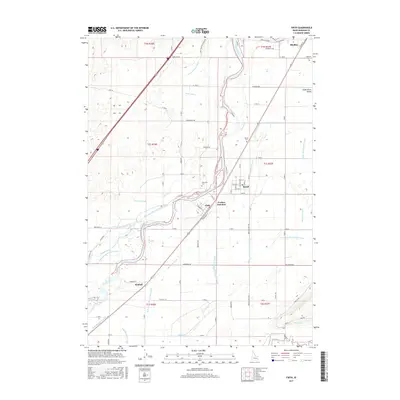 2017 Firth2017 Print · USGSBingham County's agricultural heartland is on display in this contemporary survey of the Snake River Valley near the Snake River. Genealogists and local historians can trace the irrigation networks and settlements that shaped the region, from the Riverview Cem to the early junctions at Goshen Junction and Kimball.
 - 2017 Map of Idaho Falls South, 2017 Print
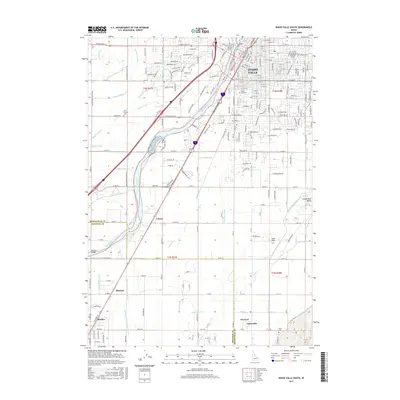 2017 Idaho Falls South2017 Print · USGSThe Snake River valley south of Idaho Falls is seen here in the late 2010s as a landscape of intensive irrigation and historic rural settlements. Researchers can trace the path of the Union Pacific or locate local landmarks like Rose Hill Cem and the Bennett Bridge.
 - 2017 Map of Goshen, 2017 Print
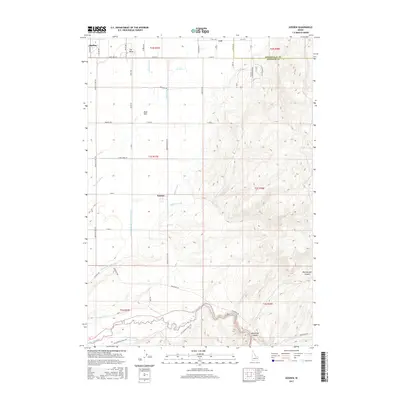 2017 Goshen2017 Print · USGSEastern Idaho's irrigation and canyon country are shown here in detail during the twenty-tens. Genealogists and researchers can trace local water rights and land use through the Highline Canal, Wolverine Canyon, and the settlement at Goshen.
Showing maps 1-25 of 33
Top cities near Shelley
- Idaho Falls historical maps
- Ammon historical maps
- Blackfoot historical maps
- Iona historical maps
- Ucon historical maps
- Firth historical maps
See more
Frequently asked questions
- What are the different types of historical maps available for Shelley?
- What is the oldest map of Shelley?
- Where can I purchase historical maps of Shelley for my home or office?
- Where can I download high-res historical maps of Shelley?
- Are there historical topographic maps available for Shelley?
- Is there historical aerial imagery available for Shelley?
- Where are historical maps of Shelley sourced from?