Old Maps of Camas County, Idaho for Hiking & Exploration
Hike through history with 209 historic maps of Camas County. Explore old trails, ghost towns, and forgotten backroads — perfect for outdoor adventurers and local explorers.
- Rediscover forgotten places: Map out old mining camps, roads, and footpaths that no longer exist on modern maps.
- Layer with modern tools: Combine with LiDAR or satellite views to plan hikes through historical terrain.
- Made for exploration: Popular among hikers, overlanders, and local history lovers.
Use these maps to find adventure and explore the hidden past of Camas County.
Camas County, ID maps
(209)- 1892 Map of Camas Prairie
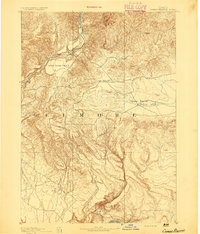 1892 Camas Prairie1892 Print · USGSElmore County during the territorial era is documented here through its high plateaus and river systems just before the turn of the century. Genealogists and historians can trace early settlements like Pine Grove and the natural landmarks of Camas Prairie and the Snake River.
 - 1893 Map of Camas Prairie
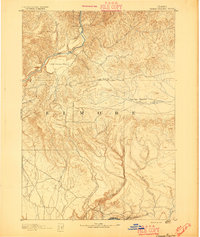 1893 Camas Prairie1893 Print · USGSElmore County was a land of high plateaus and river canyons in the years before major irrigation projects. Genealogists and researchers can trace the early layout of Little Camas Prairie and High Prairie, or locate the 1890s settlement at Pine Grove.4 unique versions available
 - 1894 Map of Rocky Bar
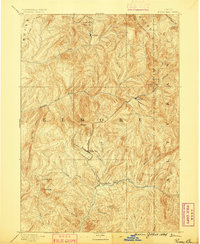 1894 Rocky Bar1894 Print · USGSElmore County was a landscape of high-altitude mining camps and river forks in the 1890s. Genealogists and researchers can trace the early layout of remote mountain outposts like Atlanta and Rocky Bar or the banks of the South Fork Boise River.5 unique versions available
 - 1900 Map of Sawtooth
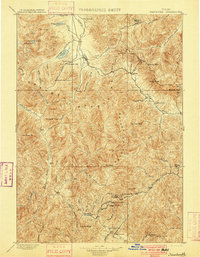 1900 Sawtooth1900 Print · USGSThe high Idaho backcountry was a hub of hard-rock mining and remote outposts during the late 1890s. Genealogists and historians can trace the foundations of silver-era camps like Carrietown and Vienna or locate industrial sites like the Silver King Mine and Columbia Mill.4 unique versions available
 - 1955 Map of Hailey, 1968 Print
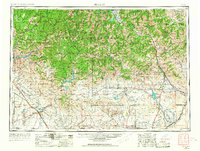 1955 Hailey1968 Print · USGSCentral Idaho in the mid-fifties reveals a landscape transitioning from deep-rooted silver mining to a burgeoning outdoor economy. Researchers can trace the legacy of the Union Pacific line, the remote Triumph Mine, and original airfield layouts at Mountain Home Air Force Base.4 unique versions available
 - 1957 Map of Fairfield, 1958 Print
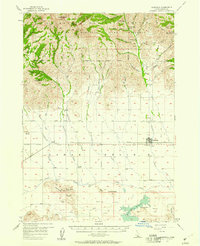 1957 Fairfield1958 Print · USGSCamas County life in the late 1950s centered on the ranching and rail infrastructure surrounding Fairfield. Genealogists and historians can trace the foundations of local settlements through Punkin Corner, Corral, and the Richard Allen Mine tucked into the mountain gulches.2 unique versions available
 - 1957 Map of Thorn Creek, 1959 Print
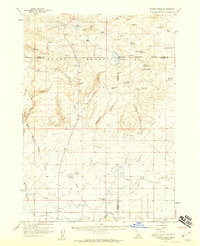 1957 Thorn Creek1959 Print · USGSThe Bennett Hills of southern Idaho are captured here in the late fifties, showcasing a landscape of high-desert ranching and complex irrigation. Genealogists and local historians can locate the Thorn Creek School, trace the Milner Gooding Canal, and explore the geologically unique Little City of Rocks.2 unique versions available
 - 1957 Map of Davis Mountain, 1959 Print
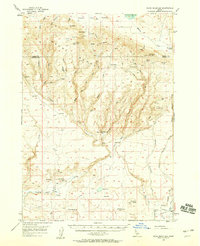 1957 Davis Mountain1959 Print · USGSCamas and Gooding counties were defined by isolated ranching outposts and rugged volcanic topography during the late fifties. Genealogists and historians can trace pioneer footprints at Emigrant Cemetery or locate remote sites like Dean Camp and the Chalk Mine.2 unique versions available
 - 1957 Map of Bellevue, 1959 Print
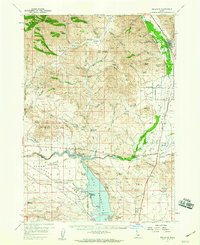 1957 Bellevue1959 Print · USGSThe Wood River Valley and Bennett Hills are captured here in the late fifties, showing a landscape defined by mining, ranching, and the Union Pacific rail line. Genealogists can trace family-named sites like Stewart Ranch, find the Timmerman Cem, or locate the historic Apache Mill.2 unique versions available
 - 1957 Map of Blaine, 1959 Print
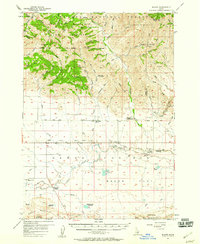 1957 Blaine1959 Print · USGSCamas County is captured here in the late fifties as a high-altitude agricultural and mining hub. Researchers can trace family history through the Manard Cemetery, several rural schoolhouses like Willow Creek School, and the Union Pacific rail stops at Blaine and Macon.3 unique versions available
 - 1958 Map of King Hill, 1960 Print
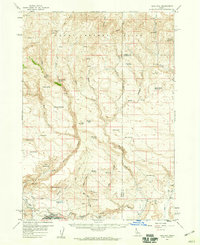 1958 King Hill1960 Print · USGSKing Hill and the southern slopes of the Mount Bennett Hills are captured here in the late fifties, showcasing a landscape shaped by the railroad and irrigation. Researchers can trace the Union Pacific line and locate local landmarks like the Cem, Indian Writing Water Hole, and Walker Reservoir.2 unique versions available
 - 1959 Map of Hailey
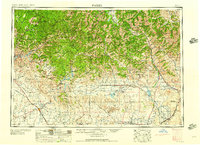 1959 Hailey1959 Print · USGSThe Sawtooth range and high desert plains of Southern Idaho are captured here during a period of mining and military growth. Genealogists and historians can locate mining sites like Triumph Mine, early settlements such as Idaho City, and the Mountain Home Air Force Base.2 unique versions available
 - 1962 Map of Hailey
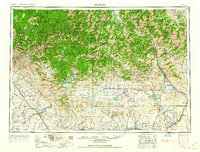 1962 Hailey1962 Print · USGSCentral Idaho in the early sixties showcases a landscape of high-altitude ranching and mining at the foot of the Sawtooth Mountains. Genealogists and historians can trace the rail-and-river economy through the Union Pacific Railroad corridor and explore old mining sites like the Triumph Mine or Silver Star Queens Mine.
 - 1963 Map of Deer Mountain, 1964 Print
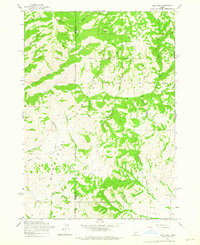 1963 Deer Mountain1964 Print · USGSCamas County's high-country wilderness is shown here in the early sixties, a landscape of the Sawtooth National Forest defined by complex drainage systems and remote trails. You can trace early access routes like the High Trail and locate landmarks such as Deer Mountain and Cold Spring Ridge.3 unique versions available
 - 1963 Map of Hill City, 1965 Print
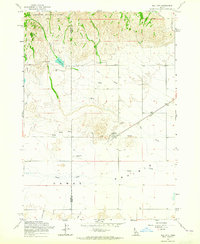 1963 Hill City1965 Print · USGSThe Idaho high desert meets the foothills in the 1960s, showing the intersection of ranching and rail. Genealogists and historians can trace the Union Pacific tracks through Hill City, locating the Hill City Cem and County Line Sch.
 - 1964 Map of Frenchman Creek, 1965 Print
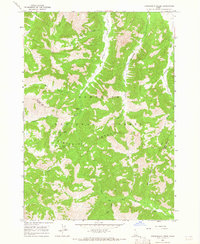 1964 Frenchman Creek1965 Print · USGSThe Sawtooth Range in the mid-1960s reveals a high-country landscape still bearing the deep imprints of its mining heritage. You can trace the remnants of local industry at Vienna, the Vienna Mine, and nearby Ruins along the headwaters of the Salmon River.3 unique versions available
 - 1964 Map of Ross Peak, 1966 Print
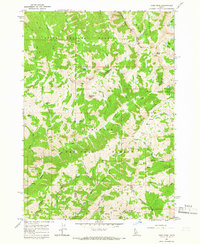 1964 Ross Peak1966 Print · USGSThe high Idaho wilderness of the mid-sixties is mapped here through its intricate trail networks and remote mining claims. Researchers can trace old routes along Willow Creek and locate historic operations like the Red Horse Mine and multiple Prospects.3 unique versions available
 - 1964 Map of Jumbo Mtn, 1966 Print
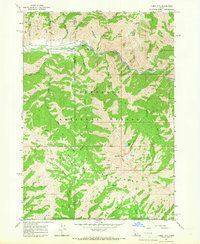 1964 Jumbo Mtn1966 Print · USGSThe Sawtooth National Forest landscape during the mid-sixties reveals a transition from river-bottom activity to high-mountain surveillance. Outdoor enthusiasts and historians can trace routes along the South Fork Boise River to the Iron Mtn Lookout and Baumgartner Campground.3 unique versions available
 - 1964 Map of Marshall Peak, 1966 Print
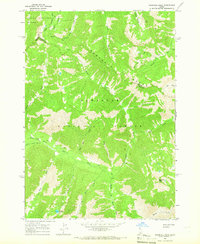 1964 Marshall Peak1966 Print · USGSThe Idaho backcountry in the mid-1960s was a landscape of high alpine peaks and isolated mining claims. Genealogists and historians can locate remote operations like the Silver King Mine and Pilgrim Mine or trace trails through the Ross Fork Basin.2 unique versions available
 - 1970 Map of Sydney Butte, 1973 Print
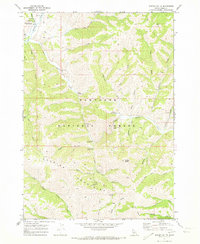 1970 Sydney Butte1973 Print · USGSThe Sawtooth National Forest near the Camas county line is shown here in the 1970s, at a time of mountain recreation and legacy mining. Researchers can trace remote sites like the Five Points Mine, Big Smoky Guard Station, and the PACK TRAIL through Couch Summit.
 - 1970 Map of Paradise Peak, 1973 Print
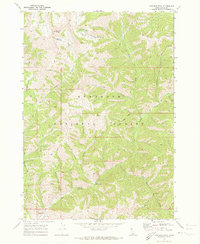 1970 Paradise Peak1973 Print · USGSCamas County, Idaho, is depicted in the early 1970s as a remote backcountry territory within the Sawtooth National Forest. Researchers can locate seasonal outposts and landmarks like Skillern Hot Springs, Headquarters Camp, and Paradise Peak.
 - 1970 Map of Newman Peak, 1973 Print
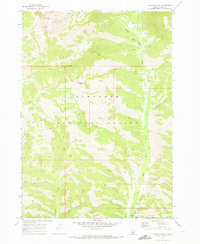 1970 Newman Peak1973 Print · USGSThe Sawtooth Range in the early 1970s was a landscape of remote mines and wilderness trails. Genealogists and historians can trace the paths of early miners at the Old Sam Mine, El Oro Mine, and Axolotl Mine near the South Boise River.2 unique versions available
 - 1970 Map of Dollarhide Mtn, 1973 Print
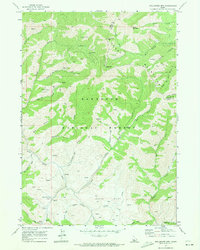 1970 Dollarhide Mtn1973 Print · USGSThe Idaho backcountry in the early seventies reveals a landscape shaped by high-country mining and seasonal ranching. Local historians can trace the legacy of remote camps and mineral claims like Carrietown, the Silver Star Mine, and Gooding Cow Camp.
 - 1970 Map of Galena, 1973 Print
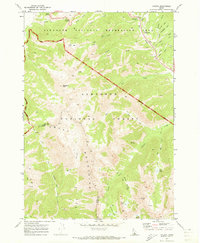 1970 Galena1973 Print · USGSThe high central Idaho backcountry is documented here during the early 1970s, as the Sawtooth region transitioned into a major recreation area. Outdoor researchers and genealogists can trace early routes over Galena Summit, find the Galena Pioneer Cem, or follow old pack trails to Miner Lake.3 unique versions available
 - 1970 Map of Baker Peak, 1973 Print
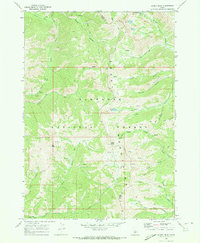 1970 Baker Peak1973 Print · USGSThe Smoky Mountains of Camas and Blaine Counties are shown in great detail during the early 1970s. Explorers and historians can trace the high-altitude Pack Trail network connecting landmarks like Baker Peak, Baker Lake, and the aptly named Lost Shirt Trail.2 unique versions available
Showing maps 1-25 of 209
Top cities of Camas County
Frequently asked questions
- What are the different types of historical maps available for Camas County?
- What is the oldest map of Camas County?
- Where can I purchase historical maps of Camas County for my home or office?
- Where can I download high-res historical maps of Camas County?
- Are there historical topographic maps available for Camas County?
- Is there historical aerial imagery available for Camas County?
- Where are historical maps of Camas County sourced from?