Old Maps of Standrod, Idaho for Metal Detecting
Plan your next treasure hunt with 12 historic maps of Standrod. Find old homesites, ghost towns, trails, and gathering spots that may be lost to time — perfect for identifying promising metal detecting locations.
- Locate forgotten sites: Uncover places like long-lost settlements, abandoned rail lines, or gathering spots.
- Plan better hunts: Use map overlays combined with LiDAR or satellite views to narrow in on historically rich areas.
- Made for detectorists: Thousands of hobbyists use these maps to discover relics, coins, and hidden history.
Use these historic maps to boost your research and find new opportunities beneath the surface of Standrod.
Standrod, ID maps
(12)- 1954 Map of Brigham City, 1968 Print
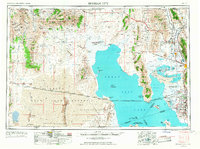 1954 Brigham City1968 Print · USGSNorthern Utah and the edges of the Great Salt Lake are captured here during the mid-fifties, showing the region's transition from pioneer rail hubs to modern military ranges. Researchers can find old sidings like Lemay Siding, the Golden Spike Monument, and settlements like Washakie.4 unique versions available
 - 1958 Map of Brigham City
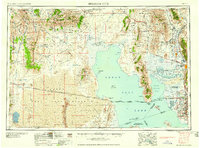 1958 Brigham City1958 Print · USGSNorthern Utah in the late fifties shows a landscape of extremes, from the salt flats to the bustling Bear River Valley. Trace historical routes like the Old Immigrant Trail and locate local landmarks such as the Brigham Sugar Mill and Booth Valley School.
 - 1959 Map of Park Valley, 1960 Print
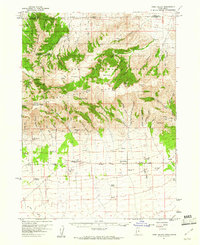 1959 Park Valley1960 Print · USGSIn the late 1950s, the Utah-Idaho border region was a landscape of high peaks and foothill ranching communities. Genealogists and local historians can trace the foundations of Park Valley and Rosette or locate high-country landmarks like the One Mile Guard Sta.3 unique versions available
 - 1962 Map of Brigham City
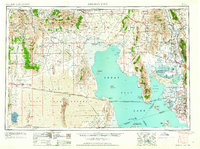 1962 Brigham City1962 Print · USGSNorthern Utah in the early sixties reveals a landscape of vast salt flats and growing towns along the Wasatch Front. Researchers can trace the Southern Pacific line past the Golden Spike Monument or locate landmarks like Indian Cave and Donner-Reed Pass.
 - 1987 Map of Grouse Creek
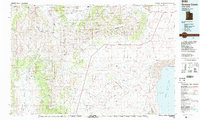 1987 Grouse Creek1987 Print · USGSHigh desert ranching and transcontinental rail lines define this late-eighties portrait of the Utah-Idaho borderlands. Researchers can trace the Southern Pacific Railroad through Lucin or locate mountain settlements like Yost and Park Valley.2 unique versions available
 - 1990 Map of Standrod
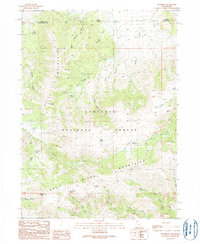 1990 Standrod1990 Print · USGSCrossing the Utah-Idaho border in the 1980s, this area reveals a high-country landscape of ranching and forestry. Researchers can trace resource history through an Open Pit Mine, the Standrod settlement, and numerous water sources like Fisher Lake.
 - 2001 Map of Standrod, 2006 Print
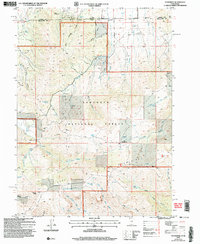 2001 Standrod2006 Print · USGSThe borderlands of Box Elder County at the turn of the 21st century reveal a rugged landscape of high-mountain mining and ranching infrastructure. Researchers can locate remote resource sites like Open Pit Mines near Standrod and family-named landmarks such as Barnette Hollow and George Peak.
 - 2011 Map of Standrod, 2011 Print
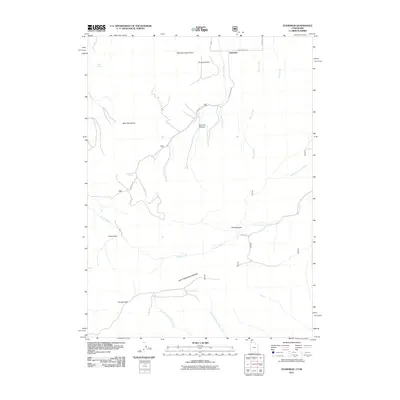 2011 Standrod2011 Print · USGSCrossing the Idaho-Utah border in the early twenty-first century, this map captures the high-country ranching and water resources of the Raft River area. Researchers can trace historic family-named landmarks like Mike Bernetta Hollow or find remote water sources such as Dipping Vat Spring and Pine Creek Spring.
 - 2014 Map of Standrod, 2014 Print
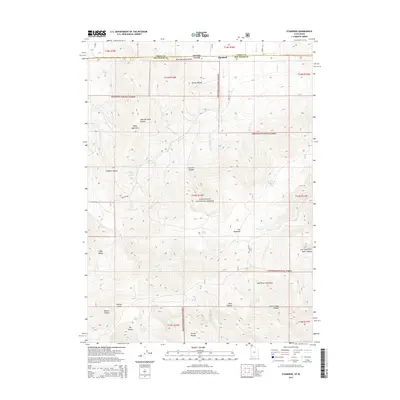 2014 Standrod2014 Print · USGSThe high-desert borderlands of Idaho and Utah are captured here in the early twenty-first century. Researchers can trace the rugged drainage systems around Standrod, exploring historic locations like George Peak, The Meadows, and Sawmill Canyon.
 - 2017 Map of Standrod, 2017 Print
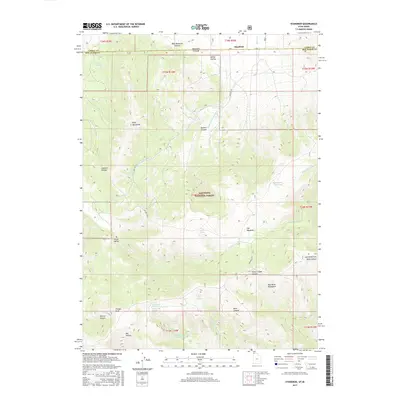 2017 Standrod2017 Print · USGSThe high mountain border between Idaho and Utah comes into focus in this late 2010s survey of the Standrod area. Genealogists and local historians can trace the remote roads and water sources like One Mile Rd, Dipping Vat Spring, and Little Valley.
 - 2020 Map of Standrod, 2020 Print
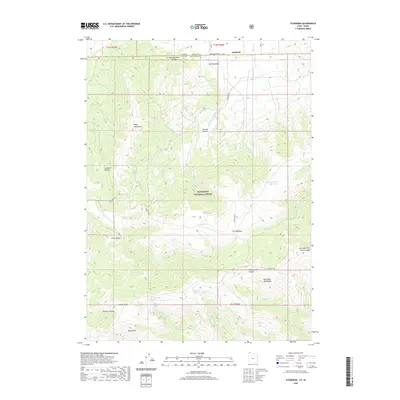 2020 Standrod2020 Print · USGSStandrod sits on the Idaho-Utah border in this contemporary record of the Raft River Mountains and the Sawtooth National Forest. Researchers can trace remote high-country water sources and terrain features like Dipping Vat Spring, George Peak, and Mike Bernetta Hollow.
 - 2023 Map of Standrod, 2023 Print
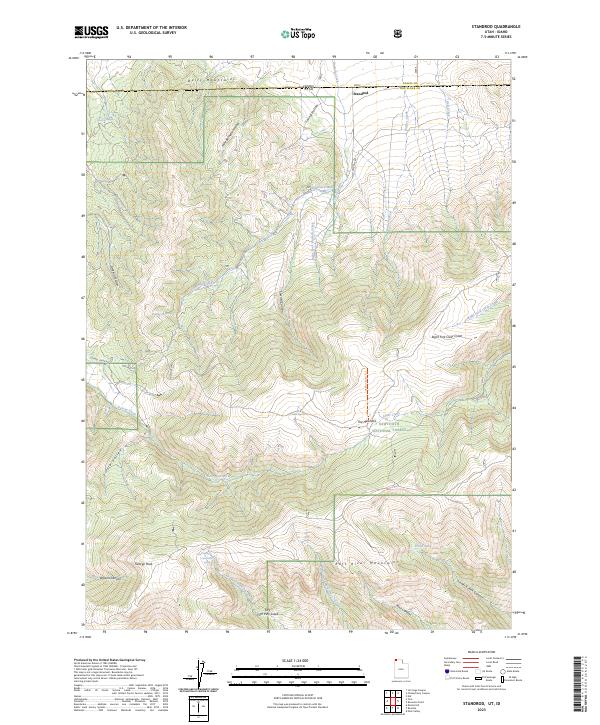 2023 Standrod2023 Print · USGSThe high borderlands of Box Elder County and Idaho are captured here in the 2020s as a complex landscape of peaks and alpine springs. Local researchers can trace family-named landmarks and historical water sources like Mike Bennetta Hollow, Standrod, and Dipping Vat Spring.
End of results
Showing maps 1-12 of 12
Frequently asked questions
- What are the different types of historical maps available for Standrod?
- What is the oldest map of Standrod?
- Where can I purchase historical maps of Standrod for my home or office?
- Where can I download high-res historical maps of Standrod?
- Are there historical topographic maps available for Standrod?
- Is there historical aerial imagery available for Standrod?
- Where are historical maps of Standrod sourced from?