Old Maps of Lost River, Idaho for Hiking & Exploration
Hike through history with 37 historic maps of Lost River. Explore old trails, ghost towns, and forgotten backroads — perfect for outdoor adventurers and local explorers.
- Rediscover forgotten places: Map out old mining camps, roads, and footpaths that no longer exist on modern maps.
- Layer with modern tools: Combine with LiDAR or satellite views to plan hikes through historical terrain.
- Made for exploration: Popular among hikers, overlanders, and local history lovers.
Use these maps to find adventure and explore the hidden past of Lost River.
Lost River, ID maps
(37)- 1935 Map of MacKay
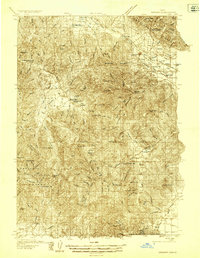 1935 MacKay1935 Print · USGSCuster County was a rugged center of mining and irrigation in the mid-1930s. Genealogists and historians can trace high-altitude homesteads and industry through Mackay, the Star O Hope Mine, and rural schools like Franklin Sch.
 - 1940 Map of Mackay
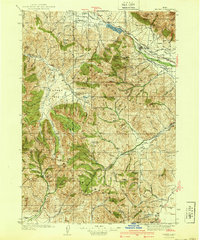 1940 Mackay1940 Print · USGSCuster and Butte counties are captured here in the late 1930s, showing a landscape defined by irrigation ditches and high-altitude mining. You can trace the development of the Big Lost River valley, finding early schools like Barton Sch and remote mountain sites like Leadbelt Mine.2 unique versions available
 - 1955 Map of Idaho Falls, 1963 Print
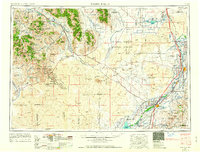 1955 Idaho Falls1963 Print · USGSThe Snake River Plain and its surrounding volcanic peaks are captured in the late fifties, showing the region's unique mix of nuclear research and high-desert ranching. Trace the industrial footprint of the National Reactor Testing Station or find old mining sites like Empire Mine.5 unique versions available
 - 1958 Map of Idaho Falls
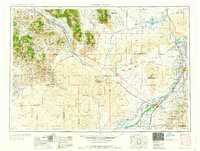 1958 Idaho Falls1958 Print · USGSEastern Idaho in the late fifties showcases the rapid expansion of agricultural and scientific outposts across its volcanic plains. Researchers can locate remote sites like Atomic City, mineral interests at White Knob Mine, and the cultural grounds of St Marys Mission.2 unique versions available
 - 1960 Map of Grouse, 1961 Print
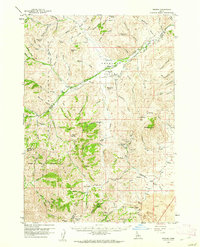 1960 Grouse1961 Print · USGSAntelope Valley in the early 1960s was a landscape of remote mountain ranches and fading mining camps. Researchers can trace the heritage of vanished settlements at Martin (Site) or locate family landmarks like the Brockie Ranch and Antelope Cem.2 unique versions available
 - 1960 Map of Mackay, 1962 Print
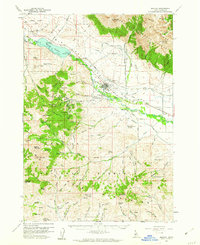 1960 Mackay1962 Print · USGSMackay and the Big Lost River Valley are shown at a peak of mining and rail activity in the early sixties. Researchers can trace the legacy of the Empire Mine and Darlington Shaft or locate historic burials at Battleground Cem and Nigger Hill Cem.2 unique versions available
 - 1969 Map of Darlington, 1973 Print
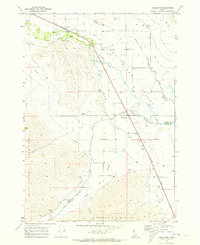 1969 Darlington1973 Print · USGSThe Big Lost River Valley in the late sixties reveals a landscape defined by complex irrigation and small rail-side settlements. Genealogists and historians can trace water rights and local landmarks like the Darlington Cem, the Union Ditch, and the aptly named Appendicitis Hill.2 unique versions available
 - 1972 Map of Appendicitis Hill, 1977 Print
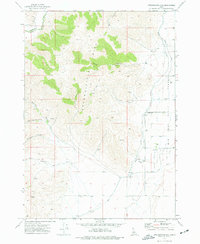 1972 Appendicitis Hill1977 Print · USGSThe high desert of Butte County during the early 1970s shows a landscape of mountain canyons meeting the irrigated valley floor. Trace local genealogy and ranching history through the Lost River Cem, the Corral, and Sorensen Spring along the river.
 - 1988 Map of Arco, 1989 Print
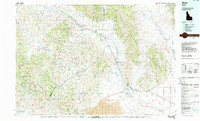 1988 Arco1989 Print · USGSThe Big Lost River Valley thrived as a high-altitude ranching and agricultural hub in the late eighties. Researchers can trace the Union Pacific line to Arco or locate smaller rural communities like Houston, Moore, and Butte City.
 - 1991 Map of Big Blind Canyon
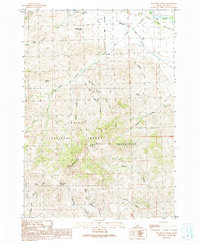 1991 Big Blind Canyon1991 Print · USGSCuster County’s high country is captured here during the early nineties, centered on the dramatic rise from the Big Lost River Valley into the White Mountains. Genealogists and researchers can locate the Houston Cemetery and trace early land use through named sites like Fallini Spring and Slaughterhouse Springs.
 - 1991 Map of Miller Peak
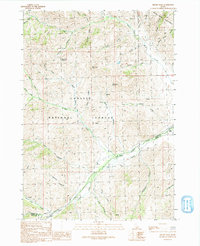 1991 Miller Peak1991 Print · USGSCuster and Butte County high country is shown here in the 1990s as a landscape of forest management and early prospecting. Trace the paths of 4WD tracks through Bear Creek Summit and locate landmarks like the Antelope FS Station or the Prospect near Iron Bog Creek.
 - 1991 Map of Grouse
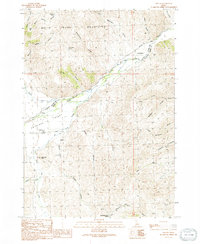 1991 Grouse1991 Print · USGSAntelope Valley and the high Idaho desert are captured here in the early nineties, showing a landscape of deep canyons and seasonal waterways. Genealogists and local historians can locate Grouse, trace the Antelope Cem, and explore the rugged White Knob Mountains.
 - 2010 Map of Grouse, 2010 Print
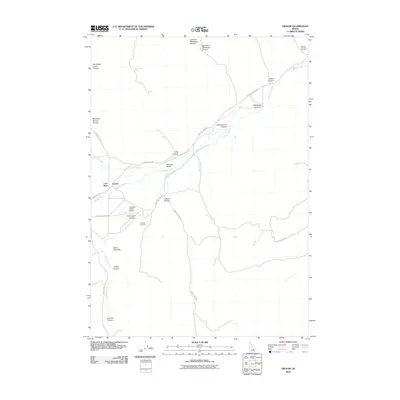 2010 Grouse2010 Print · USGSCuster County ranching country is captured here in the early twenty-first century as it spans the high Antelope Valley. Trace local history through landmarks like the Antelope Cemetery, the settlement of Grouse, and the Antelope Valley Airport.
 - 2010 Map of Appendicitis Hill, 2010 Print
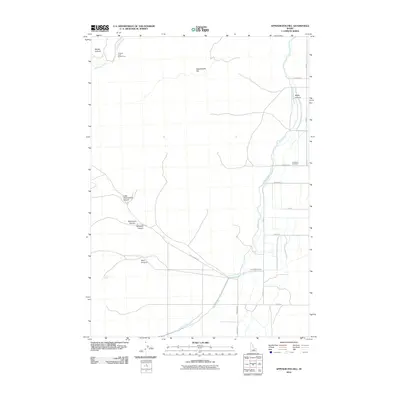 2010 Appendicitis Hill2010 Print · USGSLost River, Idaho, is documented here in the early twenty-first century as a land of canal irrigation and deep canyon drainages. Genealogists and local researchers can locate the Lost River Cemetery and trace water routes from Antelope Creek to the Blaine Canal.
 - 2011 Map of Big Blind Canyon, 2011 Print
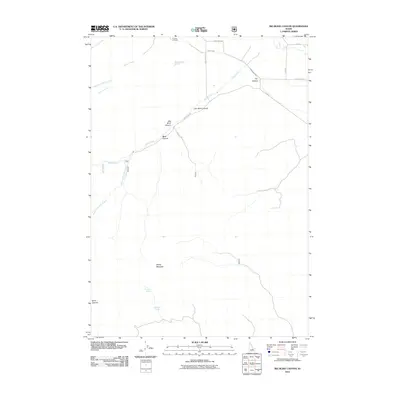 2011 Big Blind Canyon2011 Print · USGSCuster County's high-elevation drainages and remote peaks are documented here in the early twenty-first century. Researchers can locate Houston Cemetery or trace the irrigation paths of Darlington Ditch and the rugged Whisky Rd.
 - 2011 Map of Miller Peak, 2011 Print
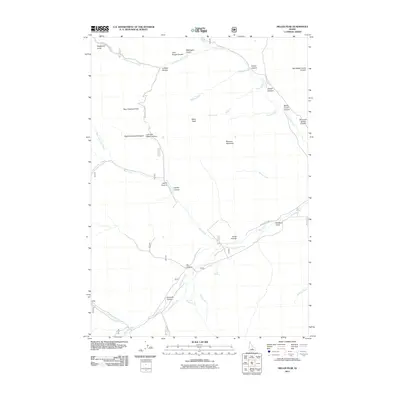 2011 Miller Peak2011 Print · USGSCuster County’s high country is captured here during the early twenty-first century, showing the remote peaks and drainages of the Lost River area. Researchers can trace historic forest routes and ranching landmarks like Box Bailey Corral Canyon, Flower Garden, and Big Spring.
 - 2011 Map of Darlington, 2011 Print
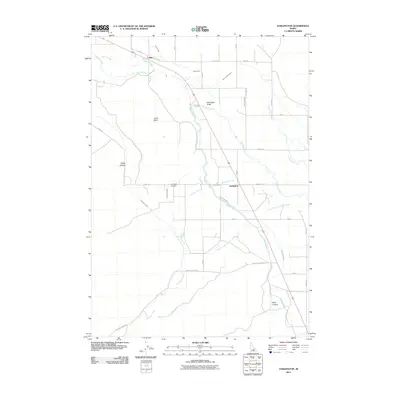 2011 Darlington2011 Print · USGSCuster County ranching and farming communities are documented in this 2011 survey of the Big Lost River valley. Researchers can trace irrigation networks like the Blaine Canal and locate family landmarks such as Darlington Cemetery and the settlement of Leslie.
 - 2013 Map of Miller Peak, 2013 Print
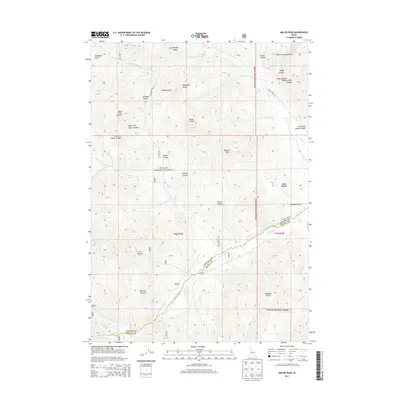 2013 Miller Peak2013 Print · USGSThe high wilderness of the White Knob Mountains is captured here during the early twenty-first century. Researchers can trace remote terrain features like Bear Creek Summit, Flower Garden, and the winding Antelope Creek Rd.
 - 2013 Map of Big Blind Canyon, 2013 Print
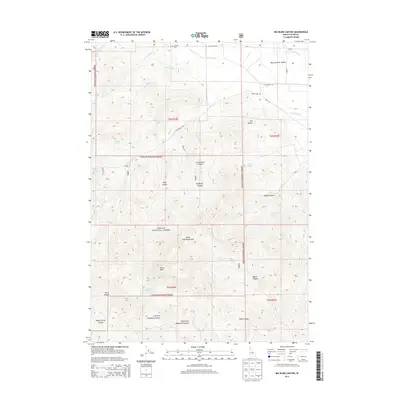 2013 Big Blind Canyon2013 Print · USGSLost River Valley and the White Knob Mountains are shown here in the early twenty-first century as they meet at the edge of the Challis National Forest. You can trace the local irrigation network via the Rodger Ditch and find landmarks like Houston Cem or Slaughterhouse Springs.
 - 2013 Map of Grouse, 2013 Print
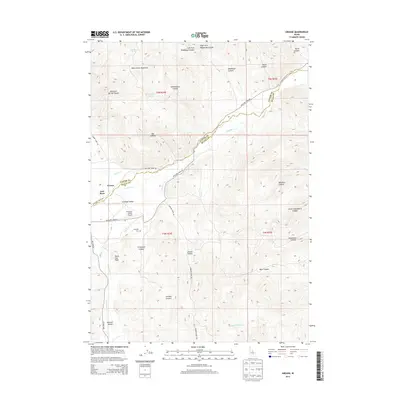 2013 Grouse2013 Print · USGSThe high valleys of Custer and Butte Counties are captured here in the early twenty-first century as the traditional ranching landscape of the Lost River area endures. Genealogists and local historians can trace the foundations of the community at Grouse, the Antelope Cem, and the high-altitude Antelope Valley Airport.
 - 2013 Map of Appendicitis Hill, 2013 Print
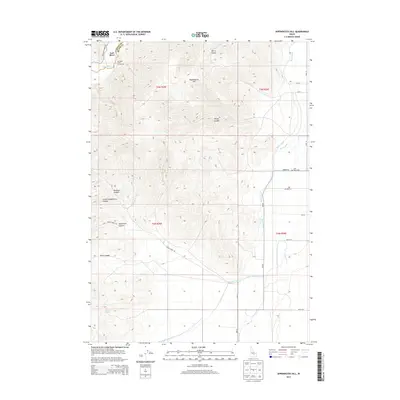 2013 Appendicitis Hill2013 Print · USGSThe high desert terrain of Custer and Butte counties is captured here in the early twenty-first century, showing the intersection of irrigation and wilderness. Researchers can trace land use through the Moore Canal network and locate landmarks like the Lost River Cemetery and Appendicitis Hill.
 - 2013 Map of Darlington, 2013 Print
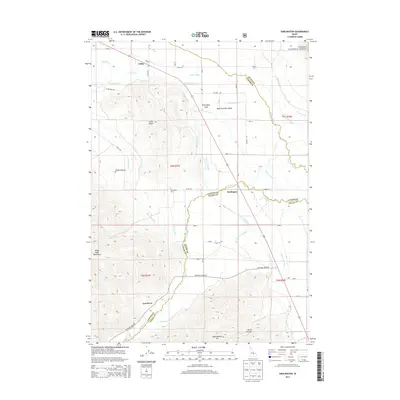 2013 Darlington2013 Print · USGSThe ranching and irrigation corridor of the Big Lost River Valley is captured here in the early twenty-first century. Genealogists and local historians can trace the settlement patterns of Leslie and Darlington, or locate the Darlington Cem and family-named landmarks like Leslie Butte.
 - 2017 Map of Miller Peak, 2017 Print
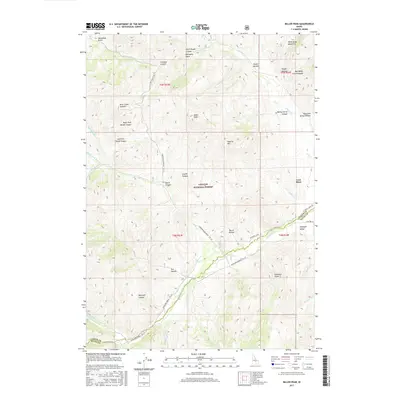 2017 Miller Peak2017 Print · USGSThe high peaks of the White Knob Mountains are meticulously mapped here in the late 2010s. Modern researchers can trace mountain access via Copper Basin Road and locate remote landmarks like Miller Peak, Big Spring, and Bear Creek Summit.
 - 2017 Map of Appendicitis Hill, 2017 Print
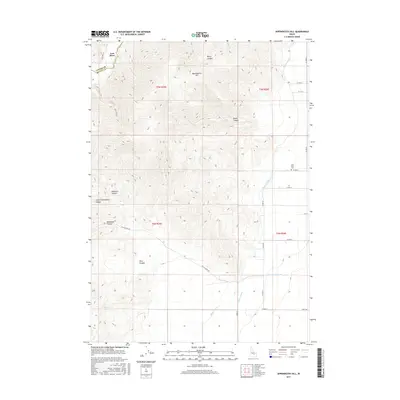 2017 Appendicitis Hill2017 Print · USGSCuster and Butte counties are defined by high-country ranching and complex irrigation in the late 2010s. Researchers can trace the layout of the Lost River settlement, locate the Lost River Cem, and follow the vital Blaine Canal through the valley.
 - 2017 Map of Big Blind Canyon, 2017 Print
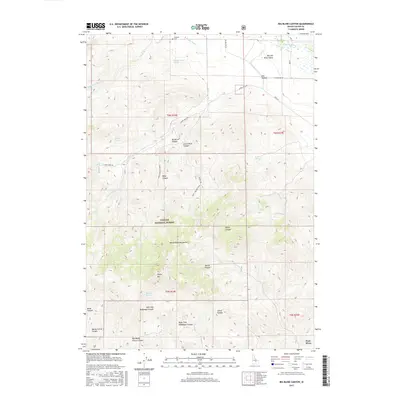 2017 Big Blind Canyon2017 Print · USGSCuster County’s high mountain terrain and fertile river basins are captured here during the late twenty-tens. Genealogists and hikers can trace the Houston Cem or follow old routes like the Bedy Canyon Trail and Whisky Rd.
Showing maps 1-25 of 37
Top cities near Lost River
Frequently asked questions
- What are the different types of historical maps available for Lost River?
- What is the oldest map of Lost River?
- Where can I purchase historical maps of Lost River for my home or office?
- Where can I download high-res historical maps of Lost River?
- Are there historical topographic maps available for Lost River?
- Is there historical aerial imagery available for Lost River?
- Where are historical maps of Lost River sourced from?