Old Maps of Arbon Valley, Idaho
Explore 29 old maps of Arbon Valley, spanning from 1934 to today. These high-resolution historic maps reveal how streets, neighborhoods, landmarks, and natural features evolved over time — perfect for genealogy, metal detecting, research, and local history exploration.
What you can do with these maps:
- See how Arbon Valley changed over time: Compare historical maps to modern-day views to trace roads, homesites, rail lines & more.
- View detailed metadata: Each map includes creators, publishers, year, scale, and archive source.
- Overlay maps with satellite & LiDAR: Visualize the past alongside modern tools to explore terrain & human change.
- Trusted historical sources: Maps sourced from the USGS, Library of Congress, and other archives.
- Access maps your way: View online, download high-res files, or order prints for personal or research use.
Start exploring old maps of Arbon Valley to uncover forgotten places, hidden landmarks, and the deep history beneath your feet.
Arbon Valley, ID maps
(29)- 1934 Map of Michaud, 1957 Print
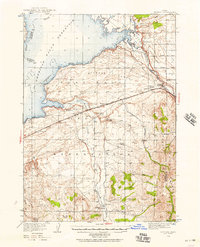 1934 Michaud1957 Print · USGSThe Fort Hall Indian Reservation was undergoing significant changes in the 1930s as the American Falls Reservoir reshaped the valley. Genealogists and historians can trace the paths of the Oregon Trail, locate the Indian Cem, and find old rail stops at Schiller and Michaud.
- 1937 Map of Michaud
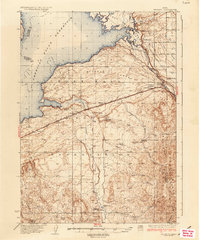 1937 Michaud1937 Print · USGSThe Fort Hall Indian Reservation and its mid-century transportation networks are documented here just as the aviation age was taking flight. Genealogists and historians can trace family-named sites and early infrastructure like the Indian School, Indian Cem, and the path of the Old Oregon Trail.
- 1954 Map of Pocatello, 1963 Print
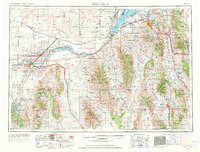 1954 Pocatello1963 Print · USGSSoutheast Idaho in the mid-1950s reveals a landscape shaped by massive water reclamation and mountain forests. Researchers can trace the development of the Fort Hall Indian Reservation or locate specific landmarks like the Arbon P O and Emerson School.4 unique versions available
- 1958 Map of Pocatello
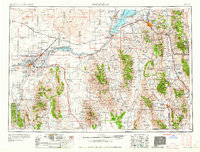 1958 Pocatello1958 Print · USGSSoutheastern Idaho in the late fifties was a landscape of expanding reservoirs and historic trails. Genealogists and historians can trace the Old Oregon Trail, locate the Bannock Creek Indian Day School, and study the many Union Pacific rail sidings.2 unique versions available
- 1971 Map of Schiller, 1974 Print
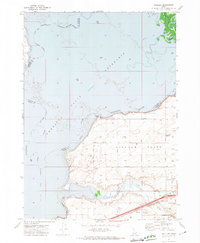 1971 Schiller1974 Print · USGSPower County, Idaho, is captured here in the early 1970s as the regional economy revolved around the Snake River shoreline and the Michaud Flats. Genealogists and historians can trace the Union Pacific rail line, the rural settlement of Schiller, and the Indian Cem within the Fort Hall Indian Reservation.
- 1971 Map of Wheatgrass Bench, 1974 Print
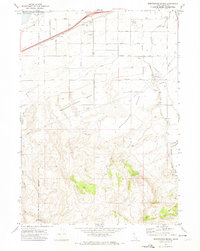 1971 Wheatgrass Bench1974 Print · USGSIn the early 1970s, the border of the Fort Hall Indian Reservation met a landscape of rising benches and essential water infrastructure. Trace historical sites like the Sun Dance Ground, the local Cem, and the industrial Big Siphon Wasteway.
- 1971 Map of Michaud Creek, 1974 Print
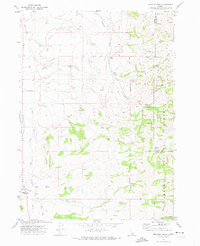 1971 Michaud Creek1974 Print · USGSPower and Bannock counties meet in this early 1970s landscape of high-desert canyons and reservation lands. Researchers can trace the boundary of the Fort Hall Indian Reservation and locate specific landmarks like Eagletail Rock, the local Cem, and Outlaw Spring.2 unique versions available
- 1971 Map of Michaud, 1974 Print
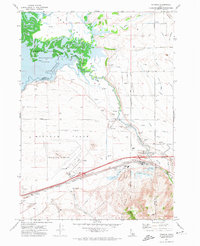 1971 Michaud1974 Print · USGSPower County and the Fort Hall Indian Reservation meet here in the early seventies as the Portneuf River feeds the reservoir. Genealogists and historians can trace family-named roads and sites like Reider Cemetery, Indian Cem, and the settlement of Michaud.4 unique versions available
- 1984 Map of Pocatello
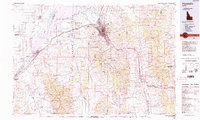 1984 Pocatello1984 Print · USGSSoutheast Idaho in the early eighties centers on the industrial and rail corridor between Pocatello and the Snake River. Genealogists and historians can trace routes through the Fort Hall Indian Reservation or locate family sites near American Falls and Lava Hot Springs.2 unique versions available
- 2010 Map of Michaud, 2010 Print
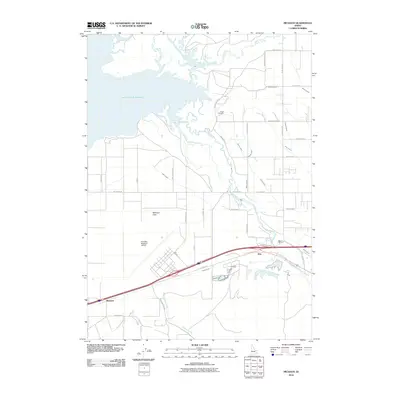 2010 Michaud2010 Print · USGSSoutheast Idaho's agricultural and transit corridors come into focus at the edge of the American Falls Reservoir during the early 2010s. Researchers can trace the legacy of local irrigation through the Taghee Canal and locate historical landmarks like the Indian Cemetery.
- 2010 Map of Schiller, 2010 Print
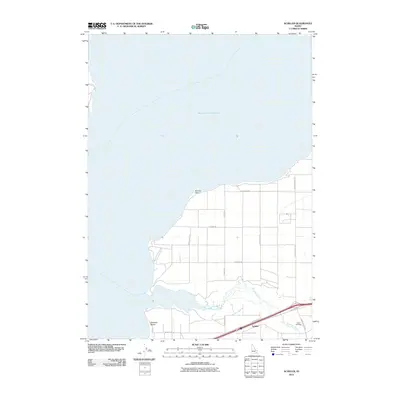 2010 Schiller2010 Print · USGSThe agricultural and shoreline landscape near Pocatello is captured here in the early 2000s, defined by the reach of the reservoir. Researchers can locate the Indian Cemetery and the prominent General Mills Grain Elevator in the settlement of Schiller.
- 2010 Map of Wheatgrass Bench, 2010 Print
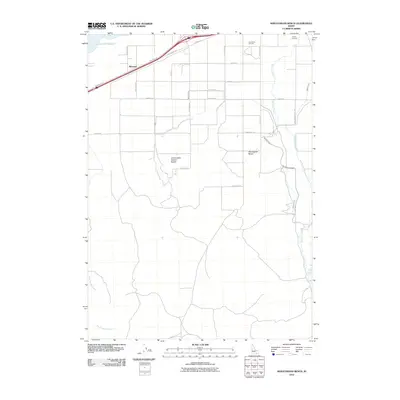 2010 Wheatgrass Bench2010 Print · USGSArbon Valley irrigation systems and rural settlements are documented here during the early twenty-first century. Researchers can trace land use through features like the Bannock Canal, the Sun Dance Ground, and the Compressor Station Bench.
- 2011 Map of Michaud Creek, 2011 Print
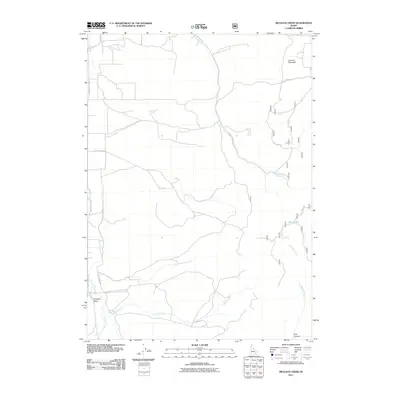 2011 Michaud Creek2011 Print · USGSThe high desert landscape of Power County, Idaho, is recorded here at the start of the twenty-first century. Local history enthusiasts can trace the old corridors of the Arbon Valley Hwy and locate remote landmarks like Horse Lake and Eagletail Rock.
- 2013 Map of Wheatgrass Bench, 2013 Print
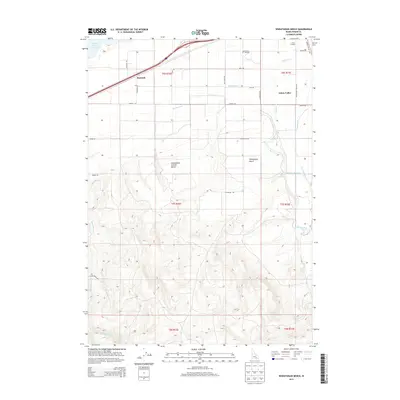 2013 Wheatgrass Bench2013 Print · USGSThe Arbon Valley of southeastern Idaho is showcased here in the early 21st century, revealing a landscape defined by ranching and extensive irrigation. Researchers can trace the path of Bannock Creek, locate the Sun Dance Ground, and study the water networks of the Bannock Canal and Bannock Drain.
- 2013 Map of Michaud, 2013 Print
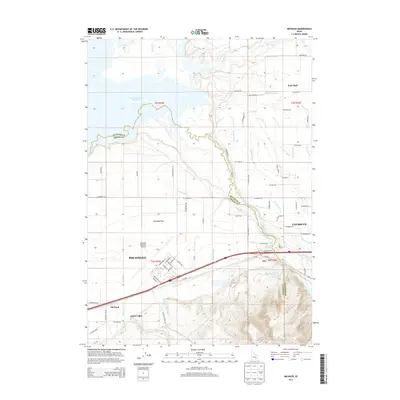 2013 Michaud2013 Print · USGSThe northern edge of Pocatello and the vast American Falls Reservoir area are shown here during a period of modern growth. Researchers can trace the complex irrigation networks of the Taghee Canal or locate local landmarks like the Pocatello Regional Airport and Batiste Springs.
- 2013 Map of Schiller, 2013 Print
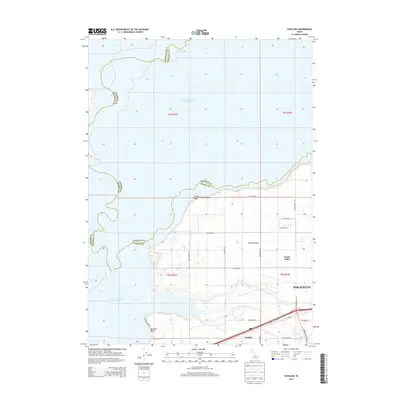 2013 Schiller2013 Print · USGSWest of the growing city in the early 2010s, this area shows the intersection of the American Falls Reservoir with the Arbon Valley. Researchers can trace the layout of Schiller or locate waterfront features like Bronco Beach and Rainbow Beach.
- 2013 Map of Michaud Creek, 2013 Print
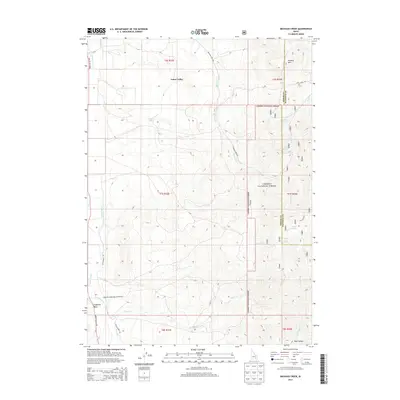 2013 Michaud Creek2013 Print · USGSArbon Valley and the neighboring foothills of the Caribou National Forest are shown here as they appeared in the early 2010s. Researchers can trace irrigation networks like the Toghee Canal and locate local landmarks such as Eagletail Rock and Horse Lake.
- 2017 Map of Michaud, 2017 Print
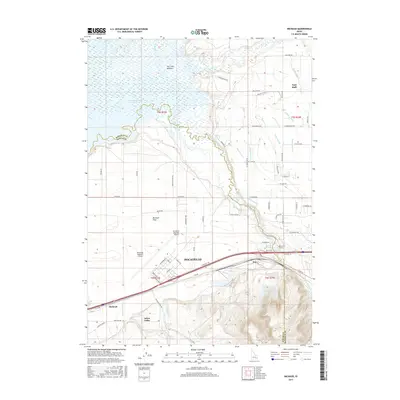 2017 Michaud2017 Print · USGSPocatello and the surrounding wetlands of the Portneuf River basin appear in fine detail in the late 2010s. Researchers can trace the intersection of the Pocatello Regional Airport with local landmarks like Batiste Springs and the rural settlement of Don.
- 2017 Map of Michaud Creek, 2017 Print
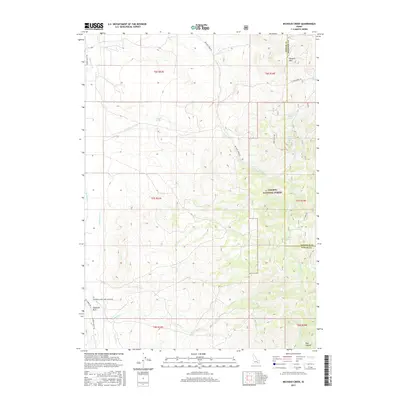 2017 Michaud Creek2017 Print · USGSThe Arbon Valley and eastern mountains are captured here in the late twenty-teens, showing the intersection of forest lands and agricultural irrigation. Researchers can trace the path of the Taghee Canal and locate landmarks like Eagletail Rock and Horse Lake.
- 2017 Map of Schiller, 2017 Print
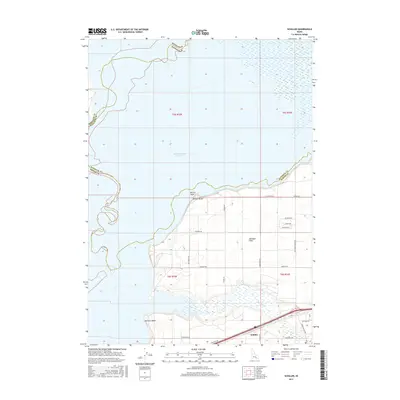 2017 Schiller2017 Print · USGSBannock County at the edge of the Snake River plain shows a landscape defined by water and agriculture in the 2010s. Researchers can trace rural settlement patterns near Schiller, the shoreline at Bronco Beach, and the course of Bannock Cr.
- 2017 Map of Wheatgrass Bench, 2017 Print
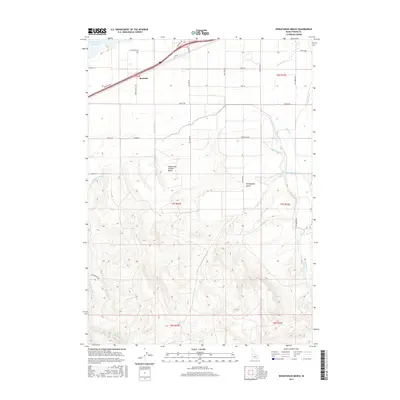 2017 Wheatgrass Bench2017 Print · USGSArbon Valley irrigation and high-bench topography are detailed in this recent survey. Local historians and land researchers can trace the reach of the Bannock Canal, Big Siphon Wasteway, and the settlement at Bannock.
- 2020 Map of Michaud, 2020 Print
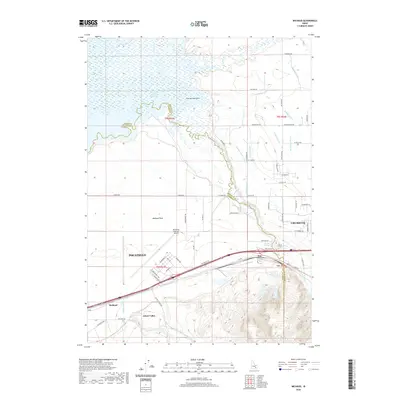 2020 Michaud2020 Print · USGSThe western edge of Pocatello meets the Snake River Plain in this recent Idaho survey. Local researchers can trace the reach of the Portneuf River and explore the development around Chubbuck, Arbon Valley, and the Pocatello Regional Airport.
- 2020 Map of Schiller, 2020 Print
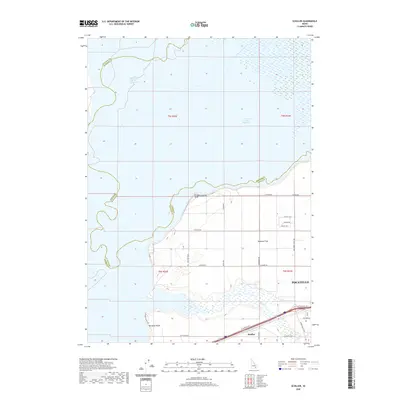 2020 Schiller2020 Print · USGSThe Snake River plain meets the growing edge of the city in the early twenty-first century. Researchers can trace the rural infrastructure of Michaud Flats and shoreline access points at Rainbow Beach and Schiller as they relate to Pocatello.
- 2020 Map of Michaud Creek, 2020 Print
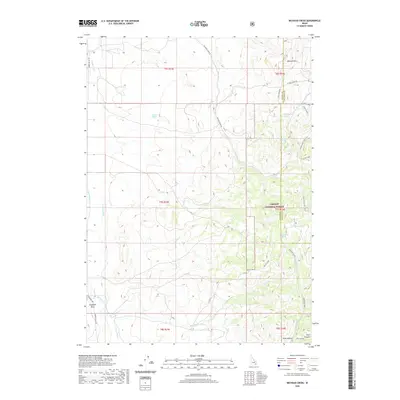 2020 Michaud Creek2020 Print · USGSArbon Valley and the western slopes of the Caribou National Forest are shown in detail during the early twenty-first century. Researchers can trace the path of the Tyhee Canal and locate remote features like Eagletail Rock, Horse Lake, and Wildcat Spring.
- 2020 Map of Wheatgrass Bench, 2020 Print
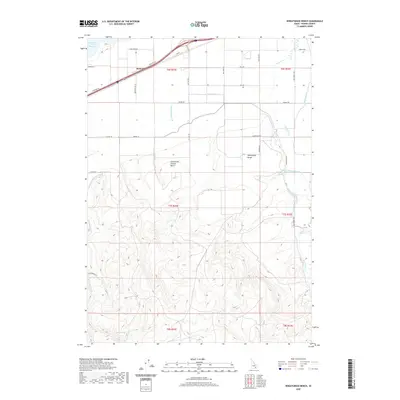 2020 Wheatgrass Bench2020 Print · USGSArbon Valley agriculture and upland terrain are mapped here in the early twenty-first century. Researchers can trace the extensive irrigation network including Owl Canal and Taghee Canal, or locate local landmarks like Bannock and Arbon Xing.
Showing maps 1-25 of 29
Top cities near Arbon Valley
Frequently asked questions
- What are the different types of historical maps available for Arbon Valley?
- What is the oldest map of Arbon Valley?
- Where can I purchase historical maps of Arbon Valley for my home or office?
- Where can I download high-res historical maps of Arbon Valley?
- Are there historical topographic maps available for Arbon Valley?
- Is there historical aerial imagery available for Arbon Valley?
- Where are historical maps of Arbon Valley sourced from?