Old Maps of Stanford Township, Illinois for Academic Research
Study the evolution of Stanford Township with 29 high-resolution historic maps. Whether you're teaching, researching, or modeling changes in land use, these maps provide essential visual documentation of urban, environmental, and geographic change.
- Analyze long-term change: Track patterns in development, transportation, and natural features.
- Ideal for environmental or urban studies: Support academic projects with primary historical map data.
- Use in the classroom or lab: Educators and researchers rely on these maps to bring historical context to life.
These maps are a powerful tool for teaching, research, and visualizing how Stanford Township has changed over the decades.
Stanford Township, IL maps
(29)- 1948 Map of Flora, 1963 Print
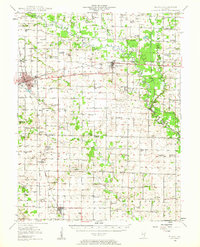 1948 Flora1963 Print · USGSClay and Wayne counties are shown at their mid-century peak of rural development, centered on the BALTIMORE AND OHIO RR corridor. Local historians can trace dozens of vanished schoolhouses and country churches, from West Seminary Sch to the South Freedom Ch.
 - 1949 Map of Flora
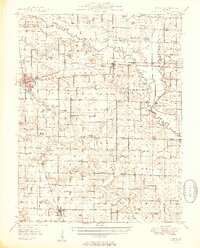 1949 Flora1949 Print · USGSSouthern Illinois during the late 1940s was a landscape defined by the winding Little Wabash River and the busy Baltimore and Ohio RR. Researchers can trace the cultural roots of the region through dozens of local landmarks like Lathrop Chapel, Long Prairie Sch, and Oil Wells near Cisne.2 unique versions available
 - 1958 Map of Belleville, 1973 Print
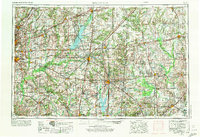 1958 Belleville1973 Print · USGSSouthern Illinois during the mid-twentieth century reveals a landscape of industrial growth and massive new reservoirs. Genealogists and historians can trace the paths of the Illinois Central RR through towns like Centralia or locate landmarks such as Emerald Mound and the Looking Glass Prairie.3 unique versions available
 - 1962 Map of Belleville
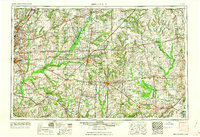 1962 Belleville1962 Print · USGSSouthern Illinois in the late fifties reveals a landscape of industrial growth and ancient landmarks before the full expansion of the interstate system. Genealogists can trace family names and rural post offices near Centralia, Salem, and the historic Monks Mound.
 - 1970 Map of Clay City, 1971 Print
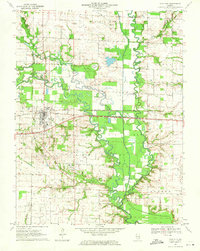 1970 Clay City1971 Print · USGSClay County at the dawn of the seventies is defined here by the intersection of river transport and petroleum industry. Genealogists can trace family landmarks like Hanna Cem and South Freedom Ch alongside the busy Baltimore and Ohio rail line.2 unique versions available
 - 1970 Map of Enterprise, 1971 Print
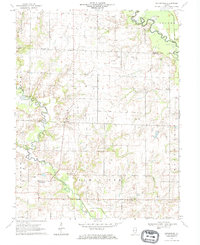 1970 Enterprise1971 Print · USGSWayne and Clay counties are shown here in the 1970s, a period when the local economy was shaped by the Clay City Oil Field and river bottom farming. Researchers can locate numerous family burial sites and rural landmarks like Enterprise, Laird Cem, and Patterson Ch.
 - 1970 Map of Flora, 1971 Print
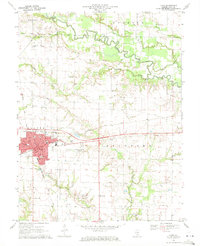 1970 Flora1971 Print · USGSClay County at the start of the 1970s reveals a landscape of railroad hubs and active oil fields. Researchers can trace the Baltimore and Ohio line through Flora or locate rural landmarks like Beulah Church and the Clay City Oil Field.
 - 1970 Map of Cisne, 1972 Print
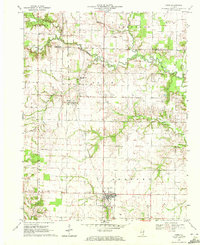 1970 Cisne1972 Print · USGSCisne and the surrounding Wayne County countryside are captured here in the early 1970s, showcasing a landscape where the railroad and oil industry met. Genealogists and local historians can locate several rural burial grounds like Stine Cem and Madden Cem or trace the Baltimore and Ohio rail line past Rinard.
 - 1986 Map of Olney
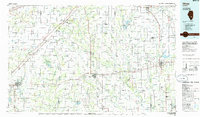 1986 Olney1986 Print · USGSSouth-central Illinois in the mid-eighties shows a landscape of small agricultural towns linked by historic rail lines and prairie preserves. Trace family roots and vanished rail stops near Kinmundy, the Prairie Chicken Sanctuary, and Salem.2 unique versions available
 - 2012 Map of Cisne, 2012 Print
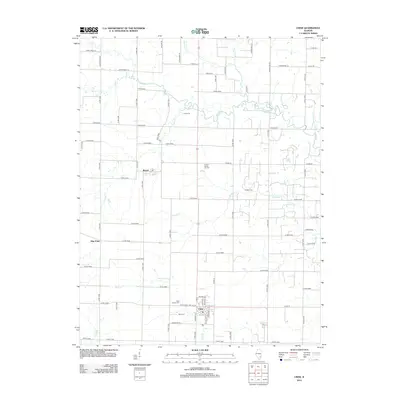 2012 Cisne2012 Print · USGSWayne County is documented here at the start of the 2010s, showcasing the agricultural grid surrounding the village of Cisne. Researchers can locate several legacy burial sites including Stine Cem and Pruitt Cem, or trace the Rinard North Oil Field near Rinard.
 - 2012 Map of Enterprise, 2012 Print
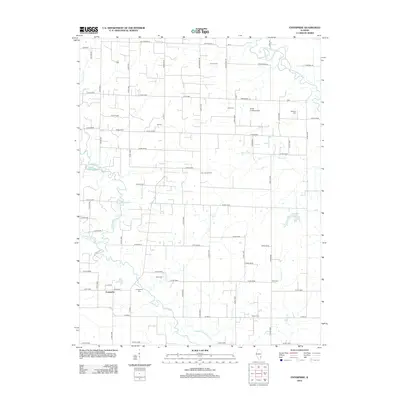 2012 Enterprise2012 Print · USGSEnterprise and the surrounding Clay County countryside appear here in the early twenty-first century. Genealogists and local historians can trace numerous family-named burial sites like Wright Cem and Barth Cem, alongside the industrial Clay City Oil Field.
 - 2012 Map of Clay City, 2012 Print
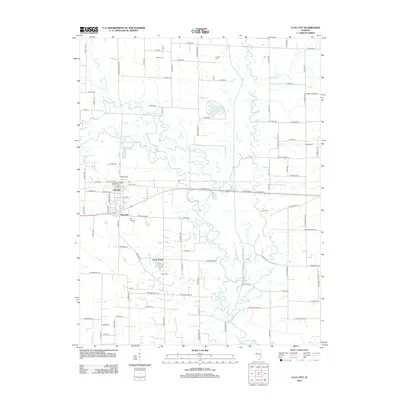 2012 Clay City2012 Print · USGSClay County at the start of the 2010s reveals a landscape where the Little Wabash River still dictates the local geography. Researchers can identify family history markers at Travis Cem, trace the settlement at Camp Travis, or explore the environs of Clay City.
 - 2012 Map of Flora, 2012 Print
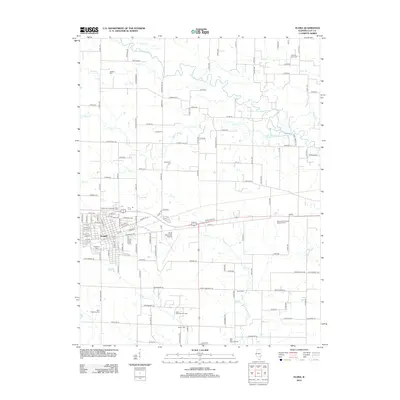 2012 Flora2012 Print · USGSFlora and the surrounding Clay County countryside are captured here just over a decade ago, showcasing the region's blend of aviation, oil, and agriculture. Researchers can locate numerous local burial sites including Elmwood Cem, Saint Stephens Cem, and the West Seminary Oil Field.
 - 2015 Map of Clay City, 2015 Print
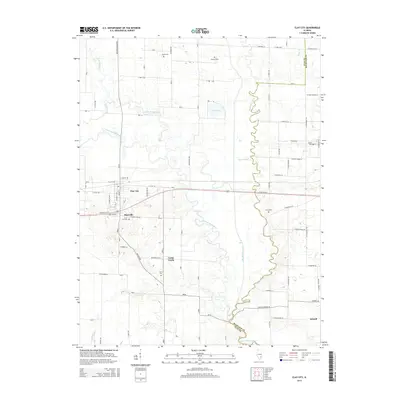 2015 Clay City2015 Print · USGSClay City and the surrounding river bottomlands are captured here in the mid-2010s. Researchers can locate family landmarks like Travis Cem and Hanna Cem or trace the winding course of the Little Wabash River past Maysville and Camp Travis.
 - 2015 Map of Cisne, 2015 Print
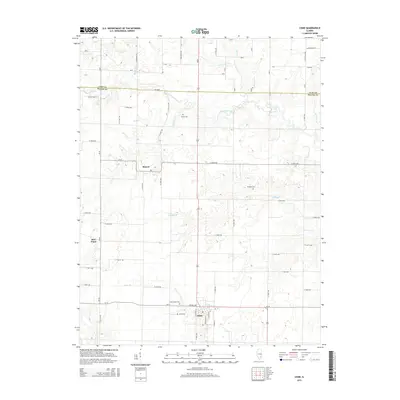 2015 Cisne2015 Print · USGSSouthern Illinois agricultural life in Wayne County is captured here at a time when small rural hubs remained central to the community. Genealogists can locate family burial sites like Cisne Family Cem and Stine Cem or trace the winding course of the Elm River.
 - 2015 Map of Enterprise, 2015 Print
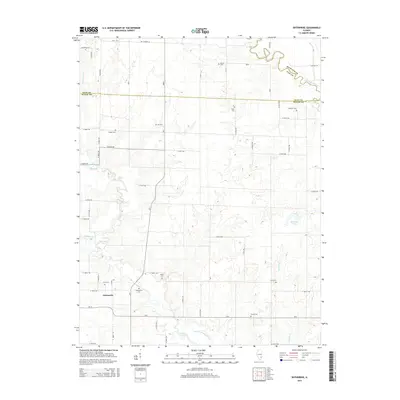 2015 Enterprise2015 Print · USGSSouthern Illinois farm country is shown here in the mid-2010s, spanning the border of Clay and Wayne Counties. Researchers can trace numerous family burial sites and rural landmarks, including Zif Cem, Robinson Lake, and the settlement of Enterprise.
 - 2015 Map of Flora, 2015 Print
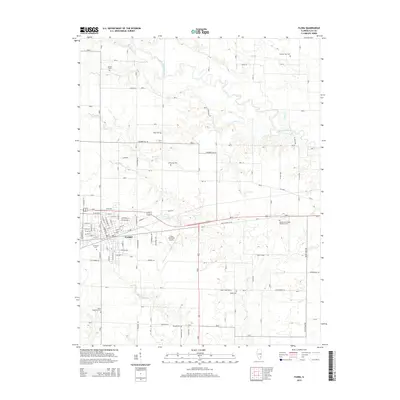 2015 Flora2015 Print · USGSClay County at the mid-point of the 2010s reveals a landscape where the city of Flora and its Flora Municipal Airport neighbor quiet rural cemeteries. Genealogists can trace family burial sites across the countryside, from Rusk Cem to Mount Zion-United Brethren Cem.
 - 2018 Map of Clay City, 2018 Print
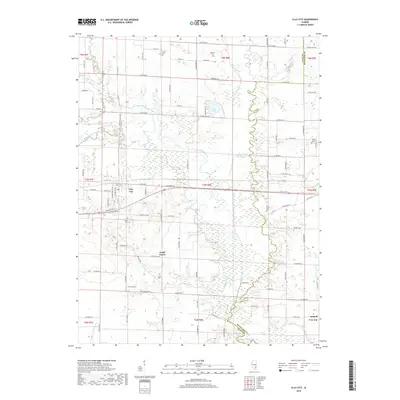 2018 Clay City2018 Print · USGSClay County at the end of the twenty-tens reveals a landscape defined by the winding Little Wabash River and its many tributaries. Genealogists and local researchers can trace old family burial sites like Hanna Cem and Travis Cem or locate the rural communities of Camp Travis and Schnell.
 - 2018 Map of Cisne, 2018 Print
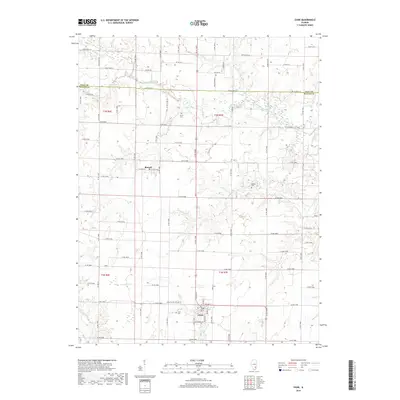 2018 Cisne2018 Print · USGSWayne County agriculture and small-town life are captured here in the late twenty-tens, showing the rural grid surrounding Cisne and Rinard. Genealogists can locate family burial sites like Cisne Family Cem and Pruitt Cem near the banks of the Elm River.
 - 2018 Map of Flora, 2018 Print
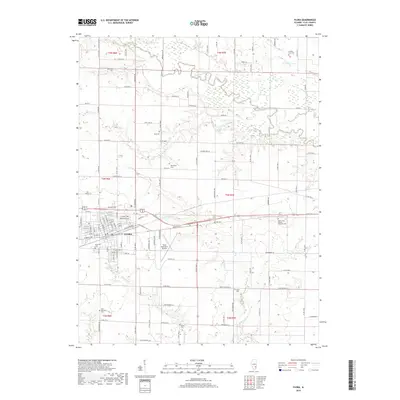 2018 Flora2018 Print · USGSThe city of Flora and its surrounding Clay County townships are shown here during the late 2010s, where the prairie grid meets the Little Wabash River. Genealogists can locate several historic burial sites, including McCawley Cem, Saint Stephens Cem, and Rusk Cem.
 - 2018 Map of Enterprise, 2018 Print
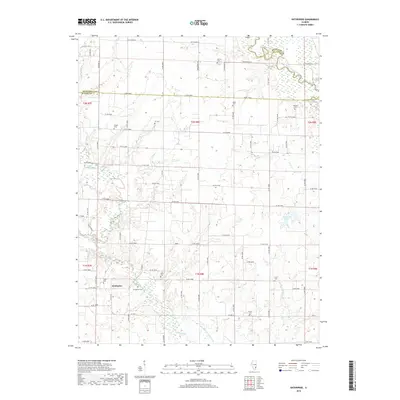 2018 Enterprise2018 Print · USGSEnterprise and the surrounding townships in Southern Illinois are captured here in the late twenty-teens, showing a landscape of fertile bottomlands and family heritage. Genealogists can locate several burial sites including Zif Cemetery, Williams Cemetery, and Barth Cemetery near the banks of the Little Wabash River.
 - 2021 Map of Cisne, 2021 Print
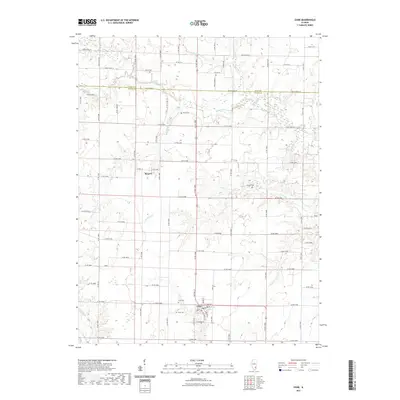 2021 Cisne2021 Print · USGSBedford Township and the village of Cisne are captured here in the early twenty-first century, showing a landscape defined by agriculture and river drainage. Genealogists can locate family sites at Stine Cemetery, Madden Cemetery, and Rinard.
 - 2021 Map of Clay City, 2021 Print
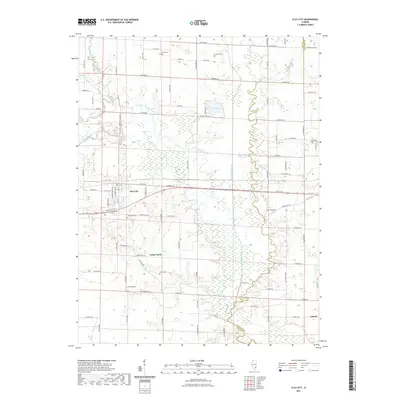 2021 Clay City2021 Print · USGSClay County's rural township centers and river bottomlands come to life in this contemporary survey of the area around Clay City. Genealogists can trace local roots through several family burial grounds, including Leonard Cem and Hanna Cem, while following the winding course of the Little Wabash River.
 - 2021 Map of Enterprise, 2021 Print
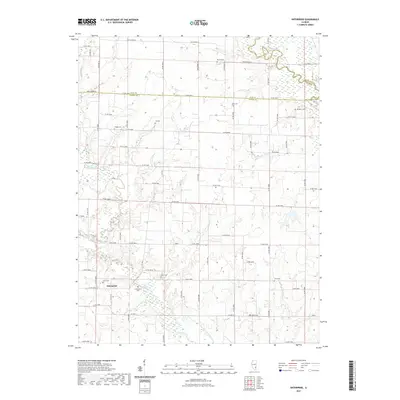 2021 Enterprise2021 Print · USGSClay County, Illinois, is documented here in the early twenty-first century as a landscape of rural crossroads and river bottoms. Family historians can locate numerous burial grounds such as Zif Cem, Wells Cem, and the settlement of Enterprise.
 - 2021 Map of Flora, 2021 Print
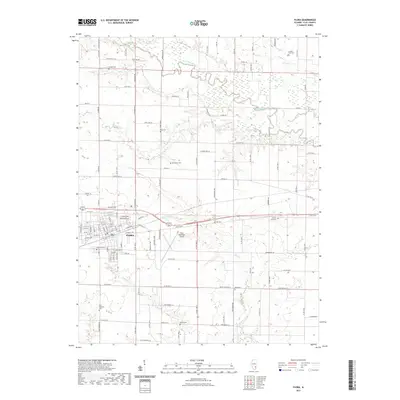 2021 Flora2021 Print · USGSFlora and the winding Little Wabash River valleys are documented here in the early twenty-first century. Family historians can trace numerous rural burial sites like Jenkins Cemetery, McCawley Cemetery, and Foster Hill Cemetery.
Showing maps 1-25 of 29
Top cities near Stanford Township
- Flora historical maps
- Louisville historical maps
- Clay City historical maps
- Noble historical maps
- Cisne historical maps
- Xenia historical maps
See more
Frequently asked questions
- What are the different types of historical maps available for Stanford Township?
- What is the oldest map of Stanford Township?
- Where can I purchase historical maps of Stanford Township for my home or office?
- Where can I download high-res historical maps of Stanford Township?
- Are there historical topographic maps available for Stanford Township?
- Is there historical aerial imagery available for Stanford Township?
- Where are historical maps of Stanford Township sourced from?