Old Maps of Wheaton, Illinois for Hiking & Exploration
Hike through history with 42 historic maps of Wheaton. Explore old trails, ghost towns, and forgotten backroads — perfect for outdoor adventurers and local explorers.
- Rediscover forgotten places: Map out old mining camps, roads, and footpaths that no longer exist on modern maps.
- Layer with modern tools: Combine with LiDAR or satellite views to plan hikes through historical terrain.
- Made for exploration: Popular among hikers, overlanders, and local history lovers.
Use these maps to find adventure and explore the hidden past of Wheaton.
Wheaton, IL maps
(42)- 1908 Map of Wheaton
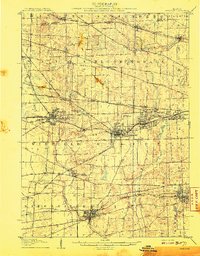 1908 Wheaton1908 Print · USGSDuPage County was a hub of steam and electric rail travel in the years following the turn of the century. Genealogists and historians can trace the early footprints of Naperville, Downers Grove, and Wheaton, alongside notable sites like the Wheaton Driving Park.5 unique versions available
 - 1948 Map of Wheaton, 1956 Print
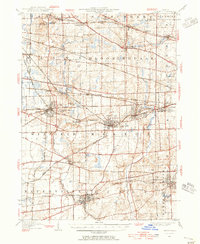 1948 Wheaton1956 Print · USGSDuPage County at the dawn of the post-war boom shows a landscape of growing towns connected by a dense network of steam and electric rails. Researchers can trace the early footprints of Naperville, Wheaton, and Downers Grove alongside smaller stops like Ontarioville and Eola.
 - 1953 Map of Naperville, 1955 Print
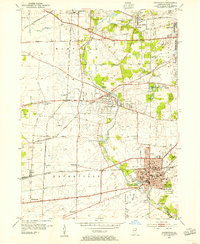 1953 Naperville1955 Print · USGSDuPage County was transitioning from a rural rail corridor to a suburban heartland in the early 1950s. Genealogists and historians can trace old schoolhouse sites like Round Grove Sch and landmarks including North Central College and the Winfield Sanitarium.
 - 1953 Map of West Chicago, 1955 Print
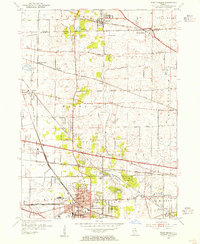 1953 West Chicago1955 Print · USGSThe rail corridors of DuPage County intersect at West Chicago in the early fifties, showing a landscape of small rural schools and emerging suburbs. Trace family history at the Old Ontarioville Cem or the Oak Glen Sch (Abandoned).
 - 1953 Map of Lombard, 1955 Print
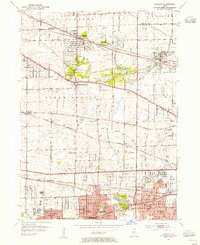 1953 Lombard1955 Print · USGSDuPage County was undergoing rapid postwar growth when this mid-century survey was conducted, showing the expansion of towns along major rail lines. Researchers can find numerous parochial schools and cemeteries like Sacred Heart Sch, St Pauls Cem, and the historic Old Mill.
 - 1954 Map of Wheaton, 1955 Print
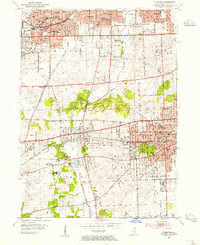 1954 Wheaton1955 Print · USGSDuPage County was undergoing significant suburban expansion in the early fifties as transit networks matured. Researchers can locate numerous parochial sites and schools like St Joseph Orphanage, Wheaton College, and Loretto Convent.
 - 1954 Map of Wheaton, 1960 Print
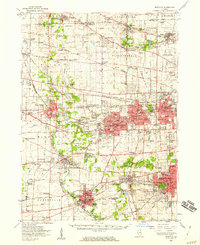 1954 Wheaton1960 Print · USGSDuPage County transitions from its agricultural roots to a bustling suburban corridor during the mid-fifties. Genealogists and historians can trace institutional landmarks like the Zace Sanitarium, Old Ontarioville Cem, and Sacred Heart Academy before later development.2 unique versions available
 - 1958 Map of Aurora, 1969 Print
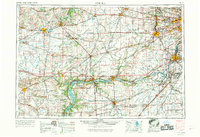 1958 Aurora1969 Print · USGSNorthern Illinois in the late fifties shows a landscape of powerful river industry and expanding transport corridors. Genealogists and historians can trace the development of Aurora and Joliet or locate sites like the Elwood Ordnance Plant and Starved Rock.3 unique versions available
 - 1961 Map of Aurora
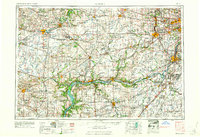 1961 Aurora1961 Print · USGSNorthern Illinois at the height of the post-war era reveals a landscape of massive industrial works and thriving river towns. Genealogists and historians can trace the paths of the Lincoln Highway or locate long-standing landmarks like the Green River Ordnance Plant and Starved Rock State Park.
 - 1962 Map of West Chicago, 1963 Print
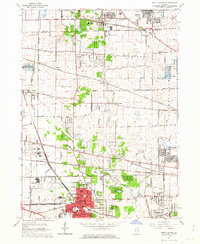 1962 West Chicago1963 Print · USGSMid-century DuPage County is captured here at a peak of rail activity, with five major lines crossing the prairies and developing towns. Genealogists and local historians can trace family plots at Old Ontarioville Cemetery or locate landmarks like Wheaton College Academy and the Munger rail stop.4 unique versions available
 - 1962 Map of Naperville, 1964 Print
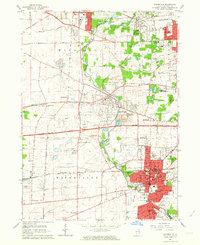 1962 Naperville1964 Print · USGSMid-century DuPage County shows a landscape transitioning from quiet river towns to bustling suburbs connected by the new East-West Tollway. Genealogists and historians can trace institutional roots at North Central College, the Winfield Sanitarium, and Naperville Cem.4 unique versions available
 - 1962 Map of Wheaton, 1964 Print
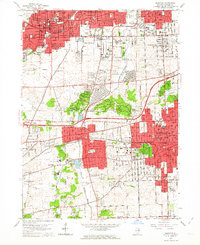 1962 Wheaton1964 Print · USGSMid-century DuPage County shows a landscape of rapid suburbanization and well-established village centers. Trace the growth of Wheaton and Lisle alongside institutions like St Procopius College, the Morton Arboretum, and local Wheaton Cemetery.5 unique versions available
 - 1962 Map of Lombard, 1964 Print
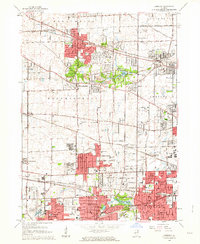 1962 Lombard1964 Print · USGSMid-century DuPage County shows a landscape in transition from rural pockets to thriving suburbs connected by the Chicago Great Western railroad. Trace local roots through landmarks like Glenbard West High Sch, Mitchell Field, and St Pauls Cem.3 unique versions available
 - 1985 Map of Aurora, 1989 Print
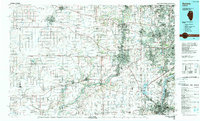 1985 Aurora1989 Print · USGSNortheastern Illinois is captured in the mid-1980s as suburban growth began to bridge the gap between the Fox River cities and the outer prairies. Researchers can trace the development of Naperville and Aurora or locate rural landmarks like Fairview Cem and the Illinois and Michigan Canal.
 - 1993 Map of Lombard
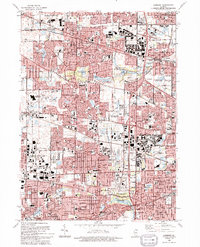 1993 Lombard1993 Print · USGSDuPage County communities like Lombard and Glen Ellyn are shown in the early nineties during a period of intense suburban maturity. Genealogists and local historians can trace parish sites like St Johns Cem and Sacred Heart Ch alongside the protected grounds of Churchill Woods Co For Presv.
 - 1993 Map of Wheaton, 1994 Print
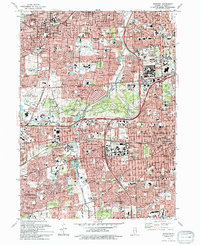 1993 Wheaton1994 Print · USGSDuPage County enters a period of significant suburban density in the early nineties as major transit corridors reshape the landscape. Local historians can trace the growth of Wheaton and Lisle, identifying landmarks like Wheaton College and the Morton Arboretum.
 - 1993 Map of Naperville, 1994 Print
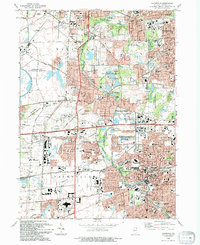 1993 Naperville1994 Print · USGSThe western suburbs of Chicago are seen here in the early nineties during a period of intense suburban development. Genealogists and historians can trace local family landmarks and institutional growth at North Central College, Assumption Cem, and Fermi National Accelerator Laboratory.
 - 1993 Map of West Chicago, 1994 Print
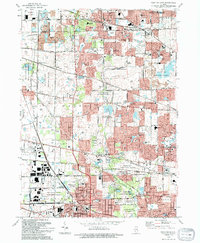 1993 West Chicago1994 Print · USGSWest Chicago and the DuPage County borderlands show a landscape of suburban expansion and forest preservation in the early 1990s. Genealogists and local historians can trace rail-side settlements like Ontarioville, Munger, and Prince Crossing.
 - 1998 Map of Naperville, 2002 Print
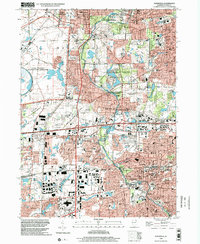 1998 Naperville2002 Print · USGSNaperville and Wheaton undergo significant suburban expansion in the late 1990s as modern transit and scientific hubs reshape the DuPage County landscape. Researchers can trace local development through landmarks like North Central College, Cantigny Park, and the Fermi National Accelerator Laboratory.
 - 1998 Map of West Chicago, 2002 Print
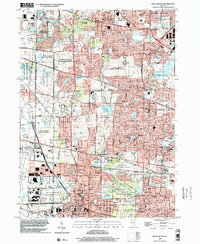 1998 West Chicago2002 Print · USGSDuPage County at the close of the twentieth century shows a complex network of forest preserves and suburban growth. Researchers can trace local history through sites like Wayne Twp Cem, the McAuley Sch, and the rail junction at Munger.
 - 1998 Map of Wheaton, 2002 Print
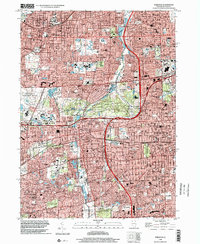 1998 Wheaton2002 Print · USGSDuPage County at the turn of the millennium shows a landscape of deep-rooted suburban communities and sprawling green spaces. Genealogists and local historians can locate legacy institutions like Wheaton College, the Wheaton Cemetery, and the Morton Arboretum.
 - 1998 Map of Lombard, 2002 Print
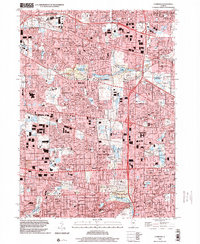 1998 Lombard2002 Print · USGSDuPage County at the close of the century shows a mature suburban landscape where historic rail hubs meet modern forest preserves. Genealogists and local historians can trace the foundations of Glen Ellyn and Addison via landmarks like St Pauls Cem and the Chicago and North Western railroad.
 - 2012 Map of Naperville, 2012 Print
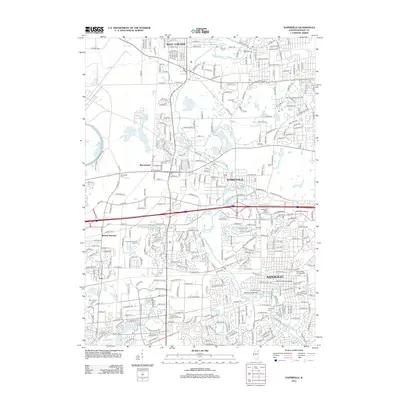 2012 Naperville2012 Print · USGSThe DuPage County suburbs are shown in a period of dense modern expansion during the early 2010s. Researchers can trace local heritage sites from North Central College to the historic Naperville Cem and the expansive Fermi National Accelerator Lab.
 - 2012 Map of Wheaton, 2012 Print
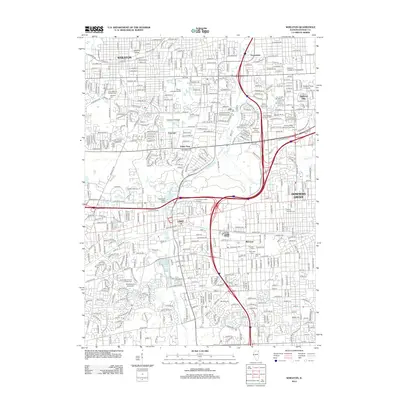 2012 Wheaton2012 Print · USGSThe western Chicago suburbs are shown in a period of significant institutional and commercial density. Researchers can trace the footprints of Wheaton College, College of DuPage, and historic burial grounds like Pierce Downer Cem and Blodgett Cem.
 - 2012 Map of Lombard, 2012 Print
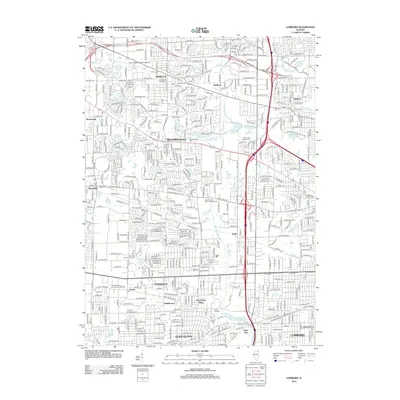 2012 Lombard2012 Print · USGSThe western Chicago suburbs of Glen Ellyn and Bloomingdale appear here in a period of significant density and growth. Local historians can trace old community centers and cemeteries like Freiennigreit Cem, Gretna, and the Schaumburg Regional Airport.
Showing maps 1-25 of 42
Top cities near Wheaton
- Chicago historical maps
- Aurora historical maps
- Naperville historical maps
- Elgin historical maps
- Schaumburg historical maps
- Arlington Heights historical maps
See more
Top neighborhoods of Wheaton
Frequently asked questions
- What are the different types of historical maps available for Wheaton?
- What is the oldest map of Wheaton?
- Where can I purchase historical maps of Wheaton for my home or office?
- Where can I download high-res historical maps of Wheaton?
- Are there historical topographic maps available for Wheaton?
- Is there historical aerial imagery available for Wheaton?
- Where are historical maps of Wheaton sourced from?