Old Maps of New Boston, Illinois for Metal Detecting
Plan your next treasure hunt with 25 historic maps of New Boston. Find old homesites, ghost towns, trails, and gathering spots that may be lost to time — perfect for identifying promising metal detecting locations.
- Locate forgotten sites: Uncover places like long-lost settlements, abandoned rail lines, or gathering spots.
- Plan better hunts: Use map overlays combined with LiDAR or satellite views to narrow in on historically rich areas.
- Made for detectorists: Thousands of hobbyists use these maps to discover relics, coins, and hidden history.
Use these historic maps to boost your research and find new opportunities beneath the surface of New Boston.
New Boston, IL maps
(25)- 1935 Map of Keithsburg
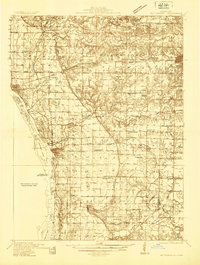 1935 Keithsburg1935 Print · USGSMercer County during the mid-thirties reveals a landscape of river towns and railroad junctions along the Mississippi. Genealogists and local historians can trace rural roots at Peniel Ch, Brick Cem, and numerous schoolhouses like Hazel Dell Sch.4 unique versions available
 - 1941 Map of Keithsburg
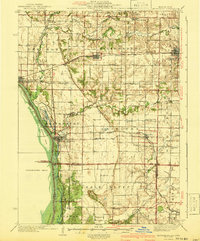 1941 Keithsburg1941 Print · USGSThe Mississippi River front in Mercer County thrived during the early 1940s as a hub of rail and river commerce. Genealogists can trace family footprints through dozens of rural landmarks, from Peniel Ch to schoolhouses like Prouty Sch and Lee Sch.2 unique versions available
 - 1946 Map of Wapello, 1954 Print
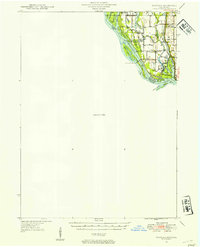 1946 Wapello1954 Print · USGSThe riverfront town of New Boston and the surrounding islands are captured in the mid-1940s as the Mississippi River meets the Iowa River. Researchers can trace the era's local rural life at Swan Lake Sch, Pin Oak Sch, and the engineering at Lock and Dam No 17.2 unique versions available
 - 1949 Map of Wapello
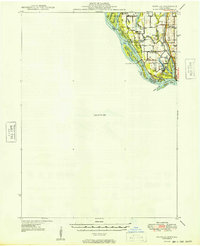 1949 Wapello1949 Print · USGSThe riverfront of Mercer County and the Mississippi border appear here in the late 1940s, just after the war. Local historians can trace the river's path through Lock and Dam No 17, find rural schoolhouses like Bay View Sch, or locate the Ferry at the mouth of the Iowa River.2 unique versions available
 - 1953 Map of Toolesboro, 1958 Print
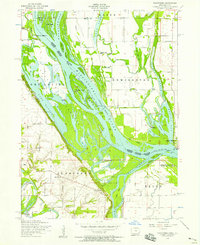 1953 Toolesboro1958 Print · USGSThe Mississippi River valley along the Iowa-Illinois border comes alive in the 1950s, showcasing a landscape of shifting sloughs and river commerce. Genealogists and historians can trace family roots through Mallory Cemetery or locate the site of the New Boston Ferry and local landmarks like Pin Oak School.2 unique versions available
 - 1953 Map of Joy, 1958 Print
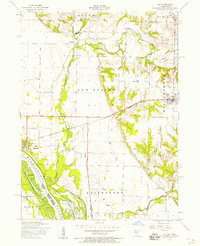 1953 Joy1958 Print · USGSMercer County, Illinois, is captured in the early 1950s as the rail and river landscape of New Boston and Joy continued to evolve. Researchers can locate rural landmarks like Lone Star School, Shields Cemetery, and the path of the dismantled railroad.2 unique versions available
 - 1958 Map of Davenport, 1968 Print
 1958 Davenport1968 Print · USGSEastern Iowa and western Illinois thrive along the river during the late fifties, defined by the industrial Quad Cities and a robust rail network. Genealogists can trace family roots through settlements like Oasis and Stanwood or along the Cedar River.2 unique versions available
 - 1961 Map of Davenport
 1961 Davenport1961 Print · USGSThe Quad Cities and the eastern Iowa riverlands are captured here in the early sixties, showing the region's transition into a modern industrial and transit hub. Genealogists and historians can trace the paths of major railroads and find river landmarks like Rock Island Arsenal, Huron Island, and the Coralville Reservoir.
 - 1962 Map of Davenport
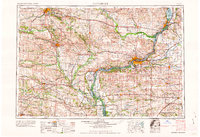 1962 Davenport1962 Print · USGSThe Quad Cities and the Mississippi River corridor are shown at their industrial peak just before the interstate era fully transformed the region. Researchers can trace the sprawling rail networks of the Chicago Rock Island and Pacific and find landmarks like the Rock Island Arsenal and Wild Cat Den State Park.
 - 1984 Map of Muscatine, 1985 Print
 1984 Muscatine1985 Print · USGSThe Mississippi River corridor and Iowa prairie meet in the 1980s, showcasing a landscape of river navigation and agricultural heartland. Genealogists and researchers can locate old schools and landmarks like Maharishi International University, Elm Grove Cem, and Lock & Dam No 16.2 unique versions available
 - 1984 Map of Aledo, 1985 Print
 1984 Aledo1985 Print · USGSThe Mississippi River borderlands and Illinois heartland are captured here in the mid-eighties as industry and agriculture overlap. Trace the Hennepin Canal, the historic Swedish colony at Bishop Hill, and the rail corridors of the Burlington Northern.
 - 1989 Map of Aledo
 1989 Aledo1989 Print · USGSWestern Illinois and eastern Iowa are shown here during the late twentieth century, when the river-and-rail economy still defined the Quad Cities and the surrounding prairie. Researchers can trace historic settlements like Bishop Hill and Millersburg alongside active routes like the Chicago Rock Island & Pacific RR.
 - 1991 Map of Joy, 1992 Print
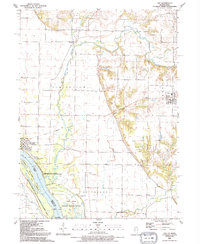 1991 Joy1992 Print · USGSMercer County, Illinois, is documented here in the early 1990s, showing the agricultural plains and the intricate wetlands of the Mississippi River. Genealogists can locate family landmarks like Shields Cem and Davis Cem or trace the Old Railroad Grade through Arpee.
 - 1992 Map of Toolesboro
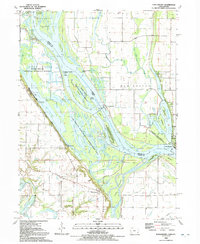 1992 Toolesboro1992 Print · USGSThe confluence of the Iowa and Mississippi Rivers comes to life in the early nineties, revealing a sprawling landscape of wetlands and river islands. Researchers can trace the heritage of Toolesboro, locate the Mallory Cem, and explore the banks of Lake Odessa.
 - 2010 Map of Joy, 2010 Print
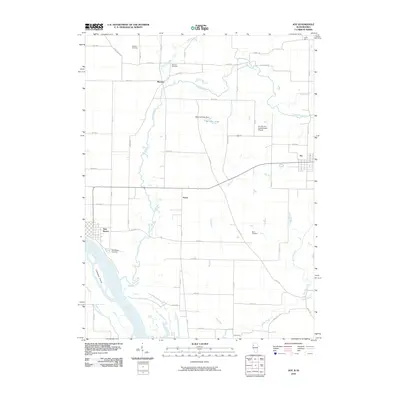 2010 Joy2010 Print · USGSMercer County's riverfront and agricultural heartland are shown here in the early twenty-first century as the Edwards River meets the Mississippi River. Researchers can trace rural lineages at New Boston Cemetery and Mannon Cemetery or locate landmarks like Lloyd Hall.
 - 2012 Map of Toolesboro, 2012 Print
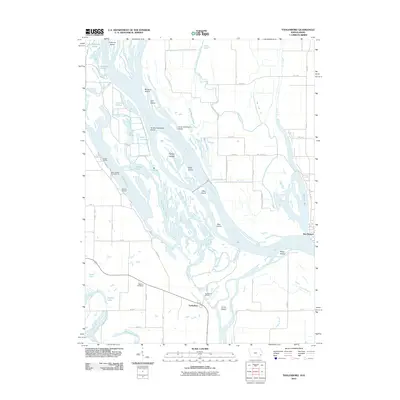 2012 Toolesboro2012 Print · USGSThe confluence of the Iowa and Mississippi rivers is captured here just over a decade ago, showing a landscape defined by island networks and managed wetlands. Researchers can locate the Mallory Cemetery, the riverfront at New Boston, and the vast waters of Lake Odessa.
 - 2012 Map of Joy, 2012 Print
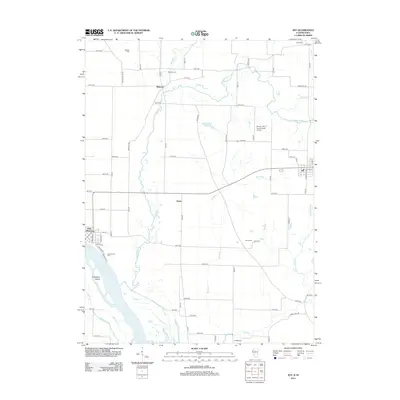 2012 Joy2012 Print · USGSMercer County sits at the intersection of river life and agriculture in this 2012 study of the Illinois-Iowa border. You can trace family history at Shields Cem and New Boston Cem or explore the riverfronts of New Boston and the village of Joy.
 - 2013 Map of Toolesboro, 2013 Print
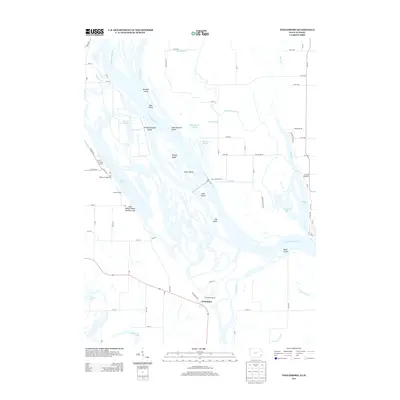 2013 Toolesboro2013 Print · USGSThe confluence of the Iowa and Mississippi Rivers comes to life in the early 21st century, showing a shifting landscape of islands and sloughs. Genealogists and river historians can trace landmarks like Toolesboro and Sturgeon Bay, or explore the backwaters of Lake Odessa and Otter Island.
 - 2015 Map of Joy, 2015 Print
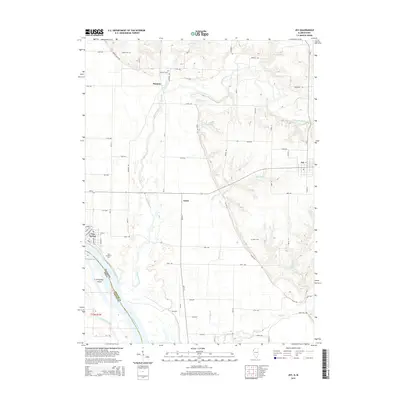 2015 Joy2015 Print · USGSMercer County's riverfront and agricultural interior come into focus in the mid-2010s, centered on the historic river town of New Boston. Researchers can trace local lineage through several rural burial grounds, including New Boston Cem and Shields Cem, or locate the quiet settlements of Arpee and Mannon.
 - 2015 Map of Toolesboro, 2015 Print
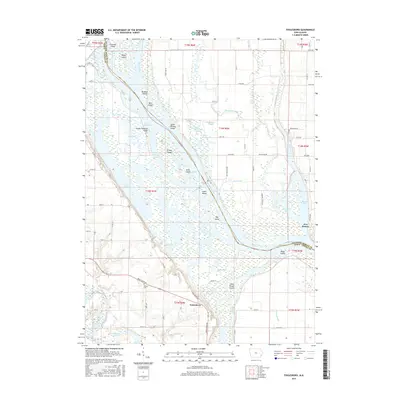 2015 Toolesboro2015 Print · USGSThe confluence of the Iowa and Mississippi Rivers comes into focus here during the mid-2010s. Researchers can trace the riverfront layout of New Boston and Toolesboro while exploring local landmarks like Mallory Cem and the vast waters of Lake Odesa.
 - 2018 Map of Joy, 2018 Print
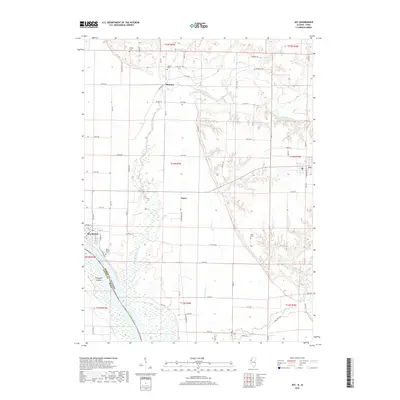 2018 Joy2018 Print · USGSMercer County land and water intersect here in the years following the millennium, from the riverfront at New Boston to the village of Joy. Genealogists can locate family landmarks such as Mannon Cem or trace the course of the Edwards River and Mad River.
 - 2018 Map of Toolesboro, 2018 Print
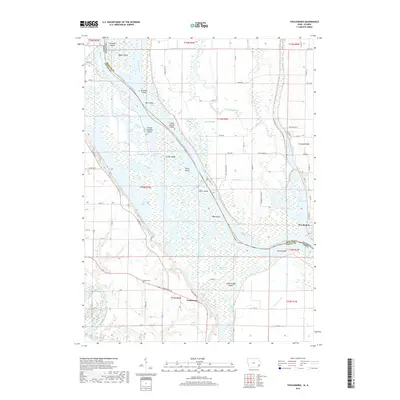 2018 Toolesboro2018 Print · USGSThe confluence of the Mississippi and Iowa Rivers at the Illinois border is captured here during the late 2010s. Researchers can trace the riverfront layout of New Boston and Toolesboro or locate family sites near Mallory Cem and Lake 28 Odesa.
 - 2021 Map of Joy, 2021 Print
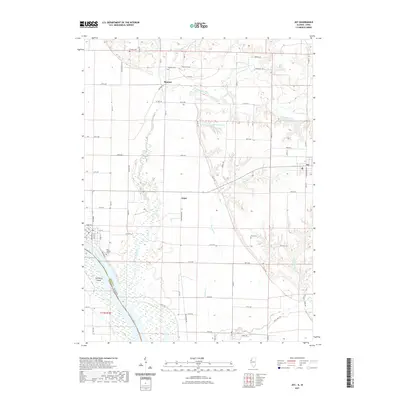 2021 Joy2021 Print · USGSWestern Illinois riverlands meet the agricultural interior in the early 2020s, showing the intersection of Mercer County and Iowa. Genealogists can trace family landmarks like Mannon Cem, New Boston Cem, and the small settlement of Arpee.
 - 2022 Map of Toolesboro, 2022 Print
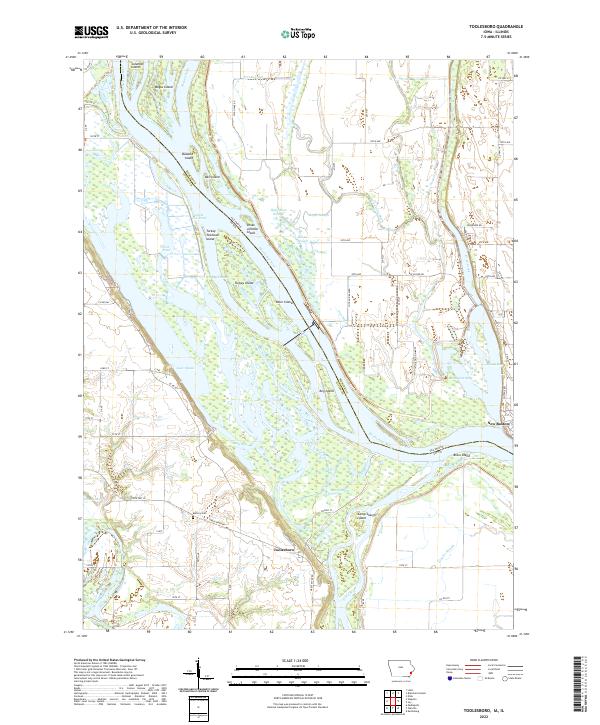 2022 Toolesboro2022 Print · USGSThe river border between Iowa and Illinois comes alive in this contemporary survey of the Mississippi and Iowa River confluence. Trace local history through the streets of Toolesboro and New Boston, or locate family sites near Mallory Cem and Lake Odesa.
 - 2024 Map of Joy, 2024 Print
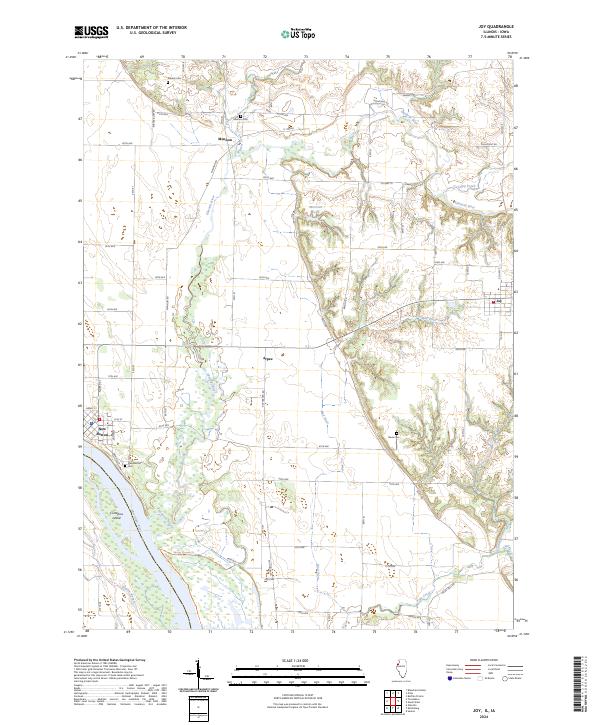 2024 Joy2024 Print · USGSThe riverfront at New Boston and the interior prairies of Mercer County come alive in this recent survey. Genealogists and local historians can trace the roads to Mannon, Arpee, and Joy, or locate family sites at Shields Cem and New Boston Cem.
End of results
Showing maps 1-25 of 25
Top cities near New Boston
- Muscatine historical maps
- Wapello historical maps
- Mediapolis historical maps
- Oquawka historical maps
- Buffalo Prairie historical maps
- Fruitland historical maps
See more
Frequently asked questions
- What are the different types of historical maps available for New Boston?
- What is the oldest map of New Boston?
- Where can I purchase historical maps of New Boston for my home or office?
- Where can I download high-res historical maps of New Boston?
- Are there historical topographic maps available for New Boston?
- Is there historical aerial imagery available for New Boston?
- Where are historical maps of New Boston sourced from?