Old Maps of Port Byron, Illinois for Genealogy
Trace your family roots with 26 historic maps of Port Byron. These high-res maps reveal old neighborhoods, homesites, landmarks, and streets — helping you uncover where your ancestors lived and how the area evolved over time.
- Explore historic neighborhoods: Identify where your relatives may have lived in the 1800s or 1900s.
- Compare maps over time: Trace the changes in streets, buildings, and landmarks for multi-generational research.
- Perfect for genealogy & ancestry research: Used by family historians and researchers to map out lineage and migration.
These maps are an incredible resource for exploring your personal connection to Port Byron's past.
Port Byron, IL maps
(26)- 1892 Map of Leclaire
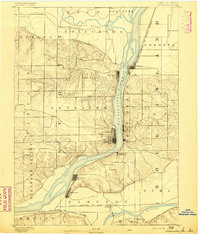 1892 Leclaire1892 Print · USGSThe Mississippi River border between Iowa and Illinois comes alive in the 1890s, before modern locks reshaped the shoreline. Genealogists and historians can trace riverside settlements like Leclaire, Port Byron, and the railroad junction at Watertown.
 - 1893 Map of Leclaire
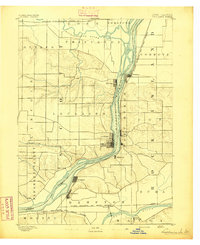 1893 Leclaire1893 Print · USGSThe riverfronts of Scott County and Rock Island County thrived in the late nineteenth century as vital hubs for steamboats and steam rail. Researchers can trace the early grids of Leclaire, Port Byron, and Valley City alongside the sprawling banks of the Mississippi River.4 unique versions available
 - 1899 Map of Clinton
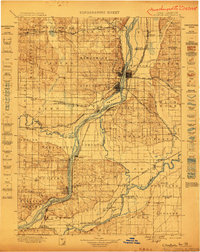 1899 Clinton1899 Print · USGSThe Mississippi River valley comes alive in the late 1890s, capturing the river-and-rail economy of Iowa and Illinois before modern channelization. Genealogists and historians can trace early townships and river landings, finding precise locations for Low Moor, Folletts, and Pink Prairie.5 unique versions available
 - 1949 Map of Port Byron, 1954 Print
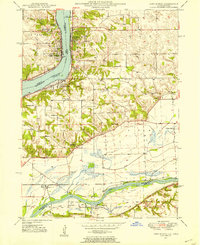 1949 Port Byron1954 Print · USGSThe confluence of the Mississippi and Rock Rivers defined the mid-century economy of these Illinois and Iowa river towns. Genealogists and local historians can trace rural school districts and family burial grounds including Leafy Bower Sch, Edwards Cem, and Zion Ch.2 unique versions available
 - 1950 Map of Port Byron
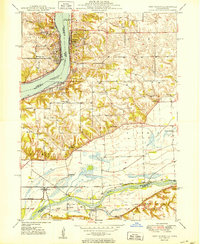 1950 Port Byron1950 Print · USGSThe Illinois-Iowa border along the Mississippi River thrives as a rail and river hub at the middle of the twentieth century. Local historians can trace family roots through numerous rural landmarks like Shake-Rag Sch, St Johns Cem, and Rapids City.
 - 1952 Map of Cordova, 1953 Print
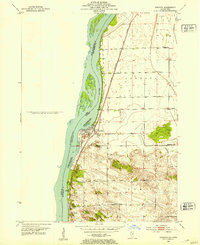 1952 Cordova1953 Print · USGSRock Island County shoreline life is captured here in the early fifties, following the river as it winds past developing river towns. Genealogists can locate family landmarks like Williams Sch, Fairfield Ch, and the Baker Cem.
 - 1953 Map of Port Byron, 1957 Print
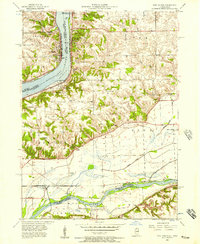 1953 Port Byron1957 Print · USGSThe Mississippi and Rock Rivers converge in the 1950s, defining a landscape of active rail lines and riverfront towns. Researchers can trace historic family burial sites and rural schoolhouses like Yost Cemetery, Friedens Church, and Sycamore School.3 unique versions available
 - 1953 Map of Cordova, 1957 Print
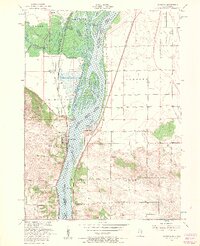 1953 Cordova1957 Print · USGSThe Mississippi River forms the heart of this mid-century borderland between Illinois and Iowa, where riverfront towns like Cordova and Princeton thrived. Researchers can pinpoint family-named landmarks such as Nowlin Cemetery, Scharff School, and Camp Hauberg.3 unique versions available
 - 1958 Map of Davenport, 1968 Print
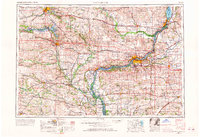 1958 Davenport1968 Print · USGSEastern Iowa and western Illinois thrive along the river during the late fifties, defined by the industrial Quad Cities and a robust rail network. Genealogists can trace family roots through settlements like Oasis and Stanwood or along the Cedar River.2 unique versions available
 - 1961 Map of Davenport
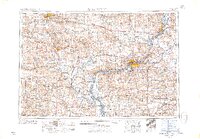 1961 Davenport1961 Print · USGSThe Quad Cities and the eastern Iowa riverlands are captured here in the early sixties, showing the region's transition into a modern industrial and transit hub. Genealogists and historians can trace the paths of major railroads and find river landmarks like Rock Island Arsenal, Huron Island, and the Coralville Reservoir.
 - 1962 Map of Davenport
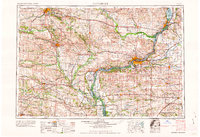 1962 Davenport1962 Print · USGSThe Quad Cities and the Mississippi River corridor are shown at their industrial peak just before the interstate era fully transformed the region. Researchers can trace the sprawling rail networks of the Chicago Rock Island and Pacific and find landmarks like the Rock Island Arsenal and Wild Cat Den State Park.
 - 1984 Map of Davenport, 1985 Print
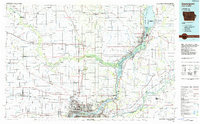 1984 Davenport1985 Print · USGSThe Quad Cities and the eastern Iowa riverlands are captured in the mid-eighties as industry and conservation converged along the Mississippi. Genealogists and local historians can trace rural roots through Stender Church, Oxford Mills, and the Elmwood Cem burial grounds.2 unique versions available
 - 1991 Map of Cordova, 1992 Print
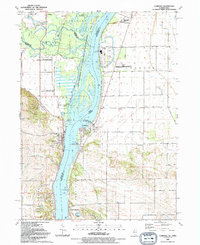 1991 Cordova1992 Print · USGSThe riverfront communities of Rock Island and Scott counties are captured here in the late twentieth century as industry and recreation converge. Researchers can trace local heritage through sites like Virgil Grissom Sch, Our Lady of the River Ch, and Jacks Cem.
 - 1991 Map of Port Byron, 1992 Print
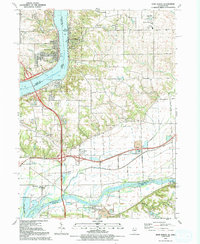 1991 Port Byron1992 Print · USGSThe riverfront communities of Port Byron and Le Claire are captured here in the early nineties as they expanded along the Mississippi. Genealogists and historians can trace numerous family landmarks like Yost Cem, Edwards Cem, and the Cody Sch.
 - 2010 Map of Port Byron, 2010 Print
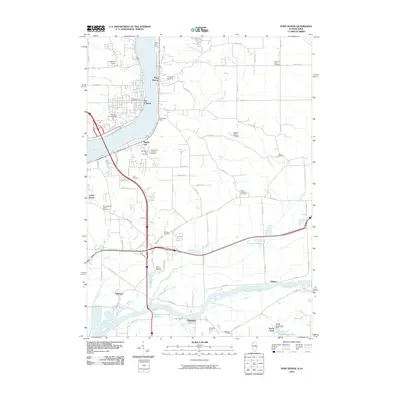 2010 Port Byron2010 Print · USGSThe riverfront communities of the Mississippi and Rock rivers are captured here during a period of modern growth. Genealogists can locate family landmarks like the Schäefer Family Cemetery, Dana Edwards Cemetery, and the Le Claire Post Office.
 - 2010 Map of Cordova, 2010 Print
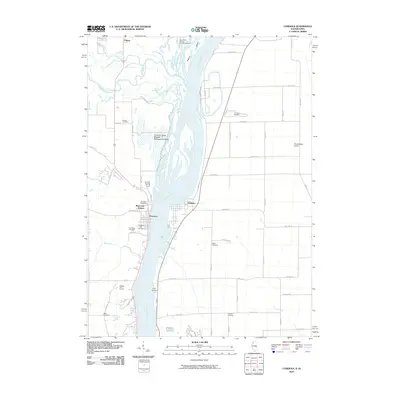 2010 Cordova2010 Print · USGSThe Mississippi River border between Illinois and Iowa comes alive in this 2010 survey of the river's confluence with the Wapsipinicon. Local historians can trace family plots at Oak Ridge Cemetery or explore the settlement patterns of Princeton and Cordova.
 - 2012 Map of Cordova, 2012 Print
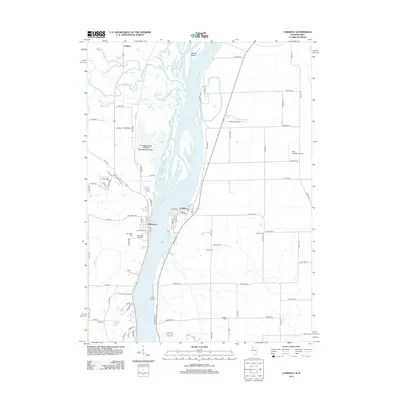 2012 Cordova2012 Print · USGSThe Mississippi River corridor near the Illinois and Iowa border comes into focus in the early 2010s. Genealogists and local historians can trace legacy sites like Princeton City Cem and Nowlin Cem or explore landmarks like Adams Island.
 - 2012 Map of Port Byron, 2012 Print
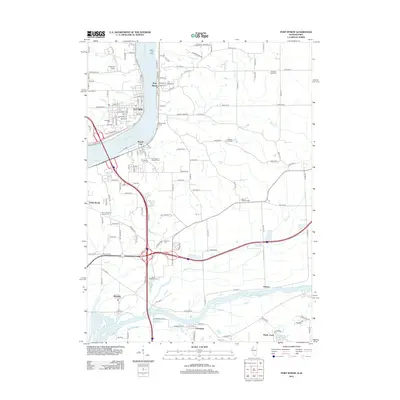 2012 Port Byron2012 Print · USGSThe riverfront communities of Port Byron and Le Claire face each other across the Mississippi River in this 2012 survey. Genealogists and local historians can trace family roots through several landmarks, including Zion Lutheran Church Cem and Port Byron Cem.
 - 2015 Map of Cordova, 2015 Print
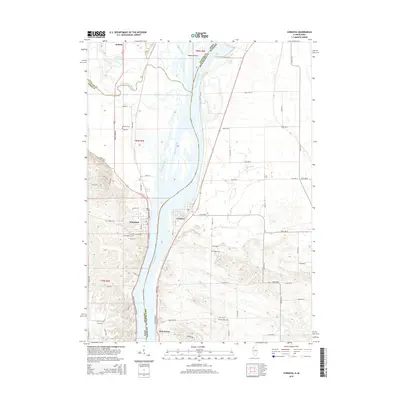 2015 Cordova2015 Print · USGSThe riverfront communities of eastern Iowa and western Illinois are captured here in the mid-2010s as they line the banks of the Mississippi River. Genealogists can locate several local burial grounds including Oak Ridge Cemetery and Jacks Cemetery.
 - 2015 Map of Port Byron, 2015 Print
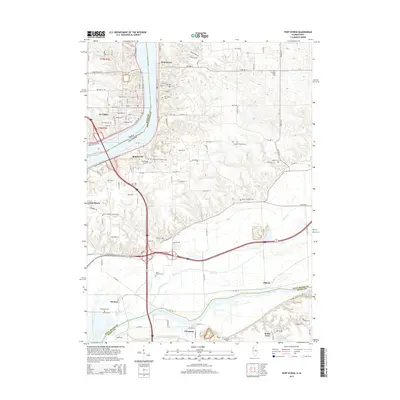 2015 Port Byron2015 Print · USGSThe Mississippi River valley and Rock River basin are documented here in 2015, capturing the corridor between Iowa and Illinois. Genealogists can trace numerous burial sites including Schaefer Family Cem, Zuma Cem, and Saint John's Catholic Cem.
 - 2018 Map of Cordova, 2018 Print
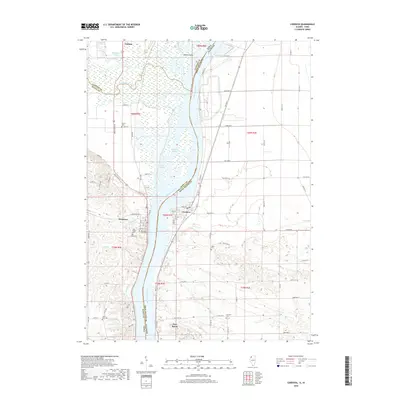 2018 Cordova2018 Print · USGSThe Mississippi River border between Iowa and Illinois comes alive in the late 2010s, showcasing the enduring riverfront character of Port Byron and Princeton. Researchers can trace local lineage through several landmark burial sites like Oak Ridge Cem and Fairfield Cem.
 - 2018 Map of Port Byron, 2018 Print
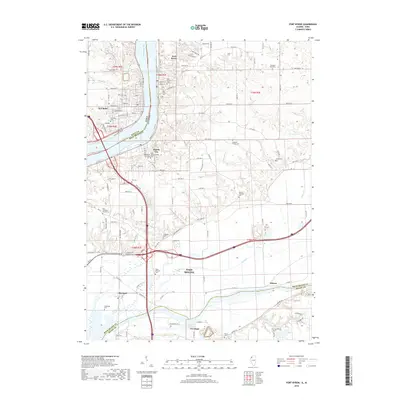 2018 Port Byron2018 Print · USGSThe riverfront communities along the Mississippi River are shown here in the late 2010s as they bridge the border between Iowa and Illinois. Genealogists can locate numerous small burial grounds like Pleasant Point Cem and Oak Grove Cem near the historic centers of Port Byron and Le Claire.
 - 2021 Map of Port Byron, 2021 Print
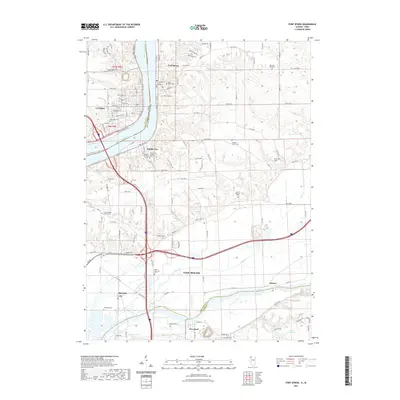 2021 Port Byron2021 Print · USGSThe Mississippi River corridor and the Rock River valley meet in this 2020s survey of the Illinois-Iowa border. Genealogists can trace deep local roots through over a dozen burial sites like Oak Grove Cem, Frieden's Cem, and Zion Lutheran Church Cem.
 - 2021 Map of Cordova, 2021 Print
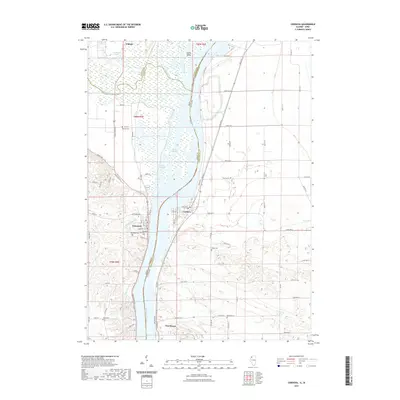 2021 Cordova2021 Print · USGSThe Mississippi River valley comes into sharp focus during the early 2020s, showing the intricate relationship between the river and its shoreline towns. Researchers can locate numerous local burial sites like Oak Ridge Cem and Nowlan Cem, or trace the winding course of Whiskey Run Cr.
 - 2024 Map of Cordova, 2024 Print
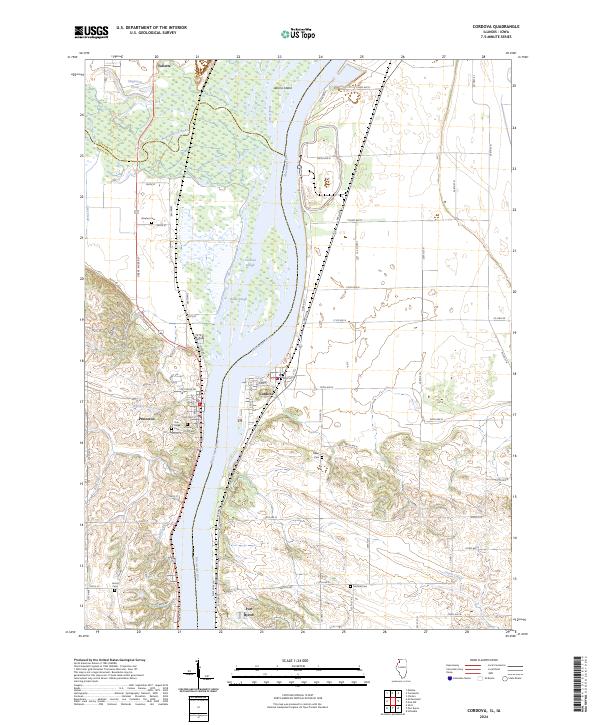 2024 Cordova2024 Print · USGSThe riverfront communities of Cordova and Princeton sit along a dynamic stretch of the Mississippi during the early twenty-first century. Researchers can trace local heritage through several burial grounds like Oak Ridge Cem and Baker Cem, or explore the backwaters of Cordova Slough.
Showing maps 1-25 of 26
Top cities near Port Byron
- Davenport historical maps
- Moline historical maps
- Bettendorf historical maps
- Rock Island historical maps
- Clinton historical maps
- East Moline historical maps
See more
Frequently asked questions
- What are the different types of historical maps available for Port Byron?
- What is the oldest map of Port Byron?
- Where can I purchase historical maps of Port Byron for my home or office?
- Where can I download high-res historical maps of Port Byron?
- Are there historical topographic maps available for Port Byron?
- Is there historical aerial imagery available for Port Byron?
- Where are historical maps of Port Byron sourced from?